
Throughout history, there have been countless enigmas that leave us questioning the past. From secret medieval tunnels to ancient manuscripts, some mysteries simply refuse to fade away. Here are three captivating historical puzzles that continue to haunt our imaginations.
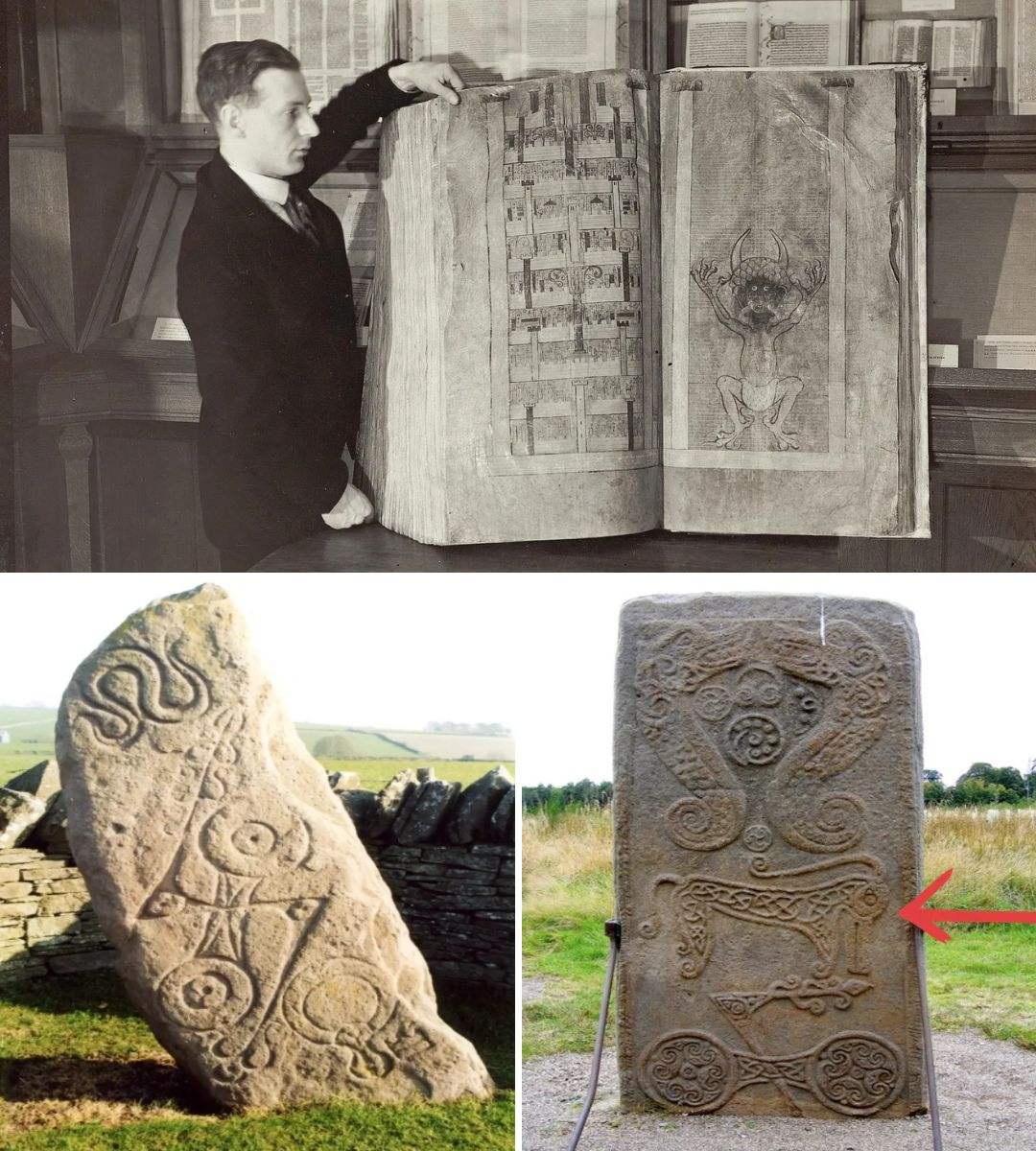
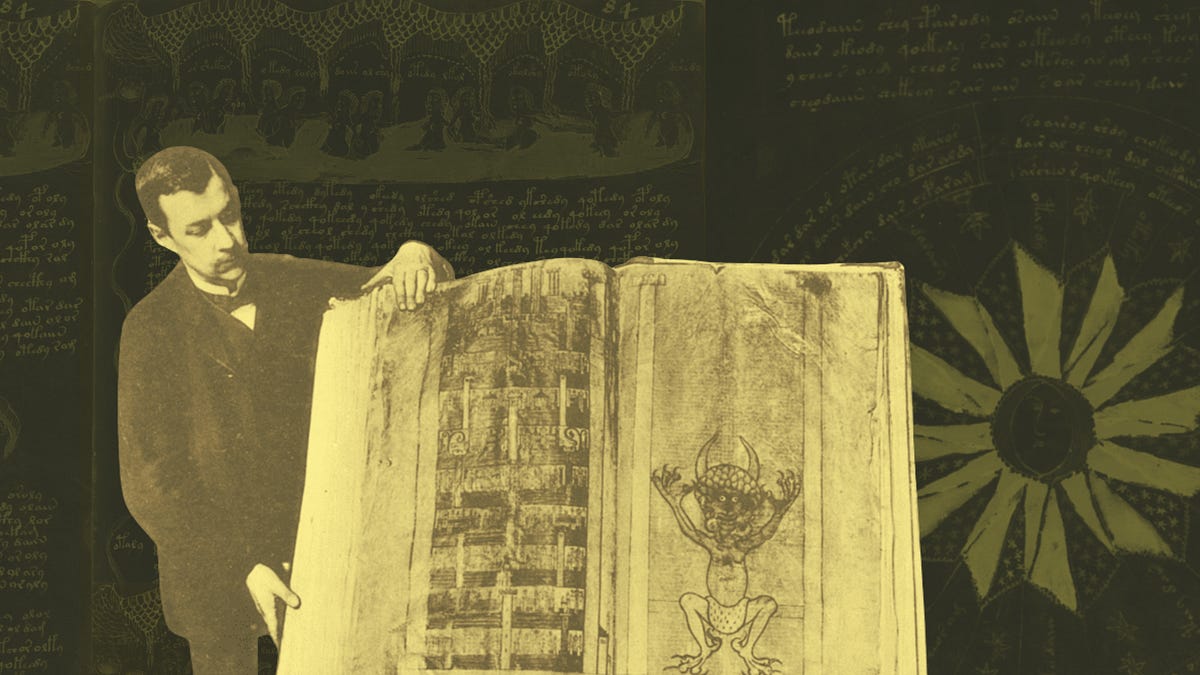
First up is the Codex Gigas, or the “Giant Book,” a remarkable manuscript crafted in the early 13th century at the Benedictine monastery in Podlažice, now part of the Czech Republic. This colossal tome is not only the largest medieval manuscript known to exist, but it also weighs a staggering 165 pounds and measures 36 inches in length and 20 inches in width. The Codex contains an array of texts, including a Latin Bible, historical accounts of the Jewish people, medical writings, and a chronicle of Bohemia. Legend has it that this extraordinary book was penned by none other than Satan himself.

The Codex Gigas is shrouded in mystery, particularly due to its singular handwriting style. Unlike most manuscripts that feature contributions from multiple scribes, this book appears to have been written by one individual, with no visible errors throughout its 310 leaves. Such flawless consistency raises eyebrows, leading to the tale of a monk who, walled up alive for his sins, sought the Devil’s assistance to complete the world’s largest book in a single night. This dramatic story, which involves a desperate plea for salvation, adds layers to the Codex’s already intriguing history.
Next, we delve into the enigmatic Picts, a group that thrived in northern Scotland during the early Middle Ages. By the 10th century, they had seemingly vanished, absorbed into Gaelic culture. Despite their artistic legacy, including striking stone carvings, the Picts left behind no written records, leaving researchers to piece together their history from scant references and the symbols etched into stone.
 Among these carvings is the mysterious “Pictish Beast,” a creature that defies identification. Unlike the naturalistic depictions of local wildlife, this beast features scroll-like limbs and a long, pointed snout, often appearing alongside humans and other animals. Theories abound regarding its significance, ranging from it being a real-life sea creature to a mythical entity whose story has been lost to time. The Pictish Beast stands as a testament to the obscurities of Pictish culture, raising questions about its origins and the legends that may have surrounded it.
Finally, we explore the Sator Square, a puzzling 5 by 5 grid of letters discovered in Pompeii in 1936. This intriguing inscription, found beneath the ash from Mount Vesuvius, has sparked debate among historians and linguists alike. While it appears to be written in Latin, the word “AREPO” remains a mystery, with no known context outside this square. Theories regarding its purpose range from a Christian symbol to a playful Roman word game, but its true meaning continues to elude scholars.
The Sator Square’s unique structure has led many to speculate about its origins and significance. Some believe it may have had ties to early Christian communities, while others suggest it could have been a product of Roman creativity. Regardless, the square’s mystique endures, leaving us to wonder what secrets it may still hold.
As we ponder these historical enigmas, one question remains: what other mysteries from our past are waiting to be uncovered?


