For years, the name “Monster” floated through hip-hop like an urban legend — whispered in stories involving 50 Cent, G-Unit, industry violence, backstage confrontations, and street politics that most rappers would never dare speak about publicly. While fans knew the flashy side of G-Unit’s rise to power, insiders often pointed to one man quietly standing in the shadows making sure everything stayed under control: Monster J, also known as Baja Walters.
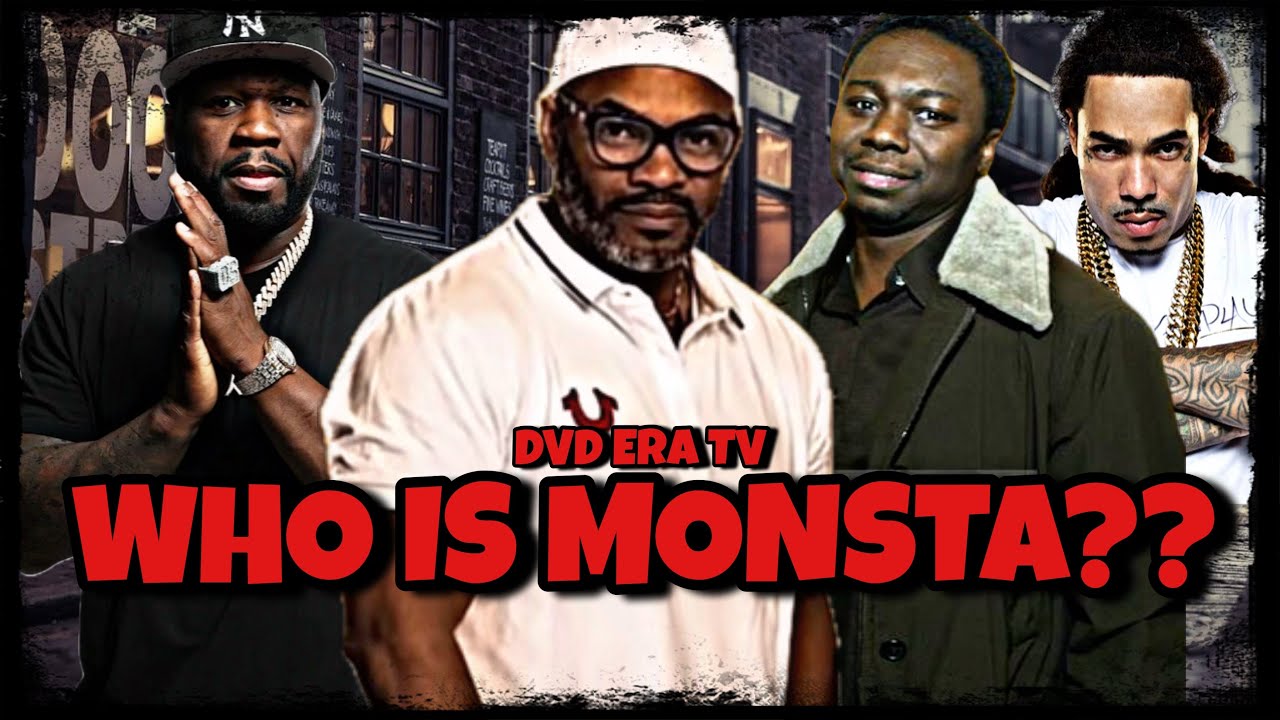
According to longtime industry rumors and stories from people connected to G-Unit, Monster wasn’t just another bodyguard. Many described him as one of the most feared and respected street figures attached to 50 Cent’s camp during the peak of G-Unit’s dominance. While 50 became the face of the empire, Monster allegedly handled situations behind the scenes that fans only heard whispers about years later.
Coming out of Brooklyn’s rough streets, Monster reportedly built a reputation long before the music industry knew his name. Growing up in an environment where violence and survival were part of everyday life, he quickly became known as somebody who never backed down from pressure. That reputation only grew stronger after a serious 2002 case where police accused him of firing at officers during a New Year’s Eve incident. Facing potential life in prison, Monster took the case to trial. Eventually, after no weapon was recovered and testimony contradicted the accusations, he was found not guilty.
As 50 Cent’s star power exploded in the early 2000s, Monster became one of the key figures constantly seen around the G-Unit movement. But unlike rappers chasing attention, he stayed mysterious, rarely speaking publicly and almost never doing interviews. That silence only added to his reputation. In hip-hop circles, Monster slowly became viewed almost like a “boogeyman” figure connected to some of the industry’s wildest moments.
One of the most infamous stories linked to Monster involved rapper Gunplay during the 2012 BET Hip Hop Awards weekend. After tensions erupted between G-Unit affiliates and Gunplay, rumors spread that Gunplay’s Maybach Music chain disappeared during the chaos. Years later, industry personalities hinted that Monster allegedly ended up with the chain after the altercation, turning the incident into one of hip-hop’s most talked-about backstage moments.
Another story that still circulates heavily online involves rapper T.I. According to people present at the time, T.I. allegedly attempted to walk directly into 50 Cent’s dressing room while 50 was touring with Ciara. Before T.I. could enter, Monster reportedly slapped his hand away as a warning that nobody approached 50 without permission. The craziest part? According to witnesses, nothing happened afterward — further adding to Monster’s reputation as someone even major rap stars respected enough not to challenge.
Monster’s name has also surfaced around several darker moments in hip-hop history. Some reports claimed he was present during tensions surrounding the 2006 “Touch It Remix” video shoot, where Busta Rhymes’ bodyguard Izzy was later killed after disputes allegedly connected to entourages from G-Unit and Ruff Ryders. Although Monster was reportedly questioned by police, he refused to cooperate or provide information.
Then came one of the most dangerous periods surrounding G-Unit: the war with Jimmy Henchman’s camp. During that time, reports surfaced claiming Monster’s home was shot at and nearly burned down while his family was inside. Fortunately, no one was injured, but the incident showed just how dangerous the behind-the-scenes rap politics had become during that era.

Many insiders now believe Monster was one of the people truly risking his freedom and life to protect 50 Cent’s empire while G-Unit dominated the rap game. Stories continue circulating that whenever problems needed handling, 50 allegedly made one phone call — and Monster would handle the rest.
But like many street-business relationships in hip-hop, the loyalty eventually cracked. Rumors began spreading that Monster and 50 Cent fell out over a missing $600,000 tied either to cash or a luxury vehicle dispute. The situation became even more explosive after details connected to a lawsuit involving former G-Unit employee Monique Mayers surfaced online. According to claims mentioned in legal documents, allegations suggested that 50 Cent wanted a false police report filed regarding a stolen car while larger financial issues involving undisclosed cash were allegedly happening behind the scenes.
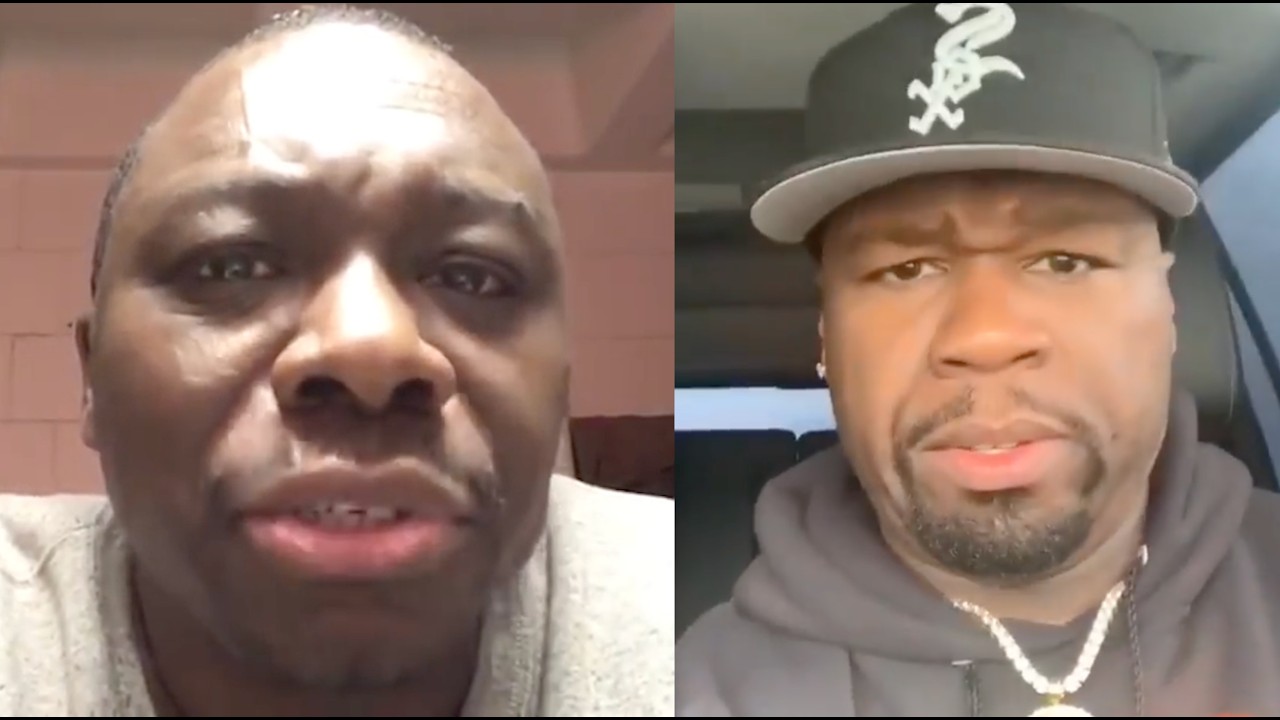
Although none of the allegations have fully been proven publicly, the rumors only fueled speculation about what really caused the breakup between 50 and one of his most loyal street enforcers.
Former industry insiders later hinted that Monster felt he was never properly rewarded for years of loyalty and dangerous work protecting G-Unit. Others claimed 50 Cent eventually distanced himself after realizing the situation had become too risky to handle personally. Some even said that was the moment 50 transitioned toward a more corporate, military-style security operation instead of relying on street figures from his past.
Now, years later, Monster’s name still carries weight across hip-hop culture despite how little the public truly knows about him. Unlike many people tied to rap controversies, he never chased fame, podcasts, or social media attention. Instead, his legend grew through stories, rumors, and firsthand accounts from people who claimed to witness what happened behind the scenes during one of the most dangerous eras in rap history.
To this day, fans remain fascinated by Monster because he represents a side of hip-hop most artists try to hide — the street loyalty, violence, pressure, and silent power operating behind the cameras while the music industry turned chaos into entertainment.

:max_bytes(150000):strip_icc():focal(703x205:705x207)/Quarterback-Caleb-Williams-of-USC-2024-NFL-draft-042624-6b338455e2e245fa96f54ba50f0da3d4.jpg)