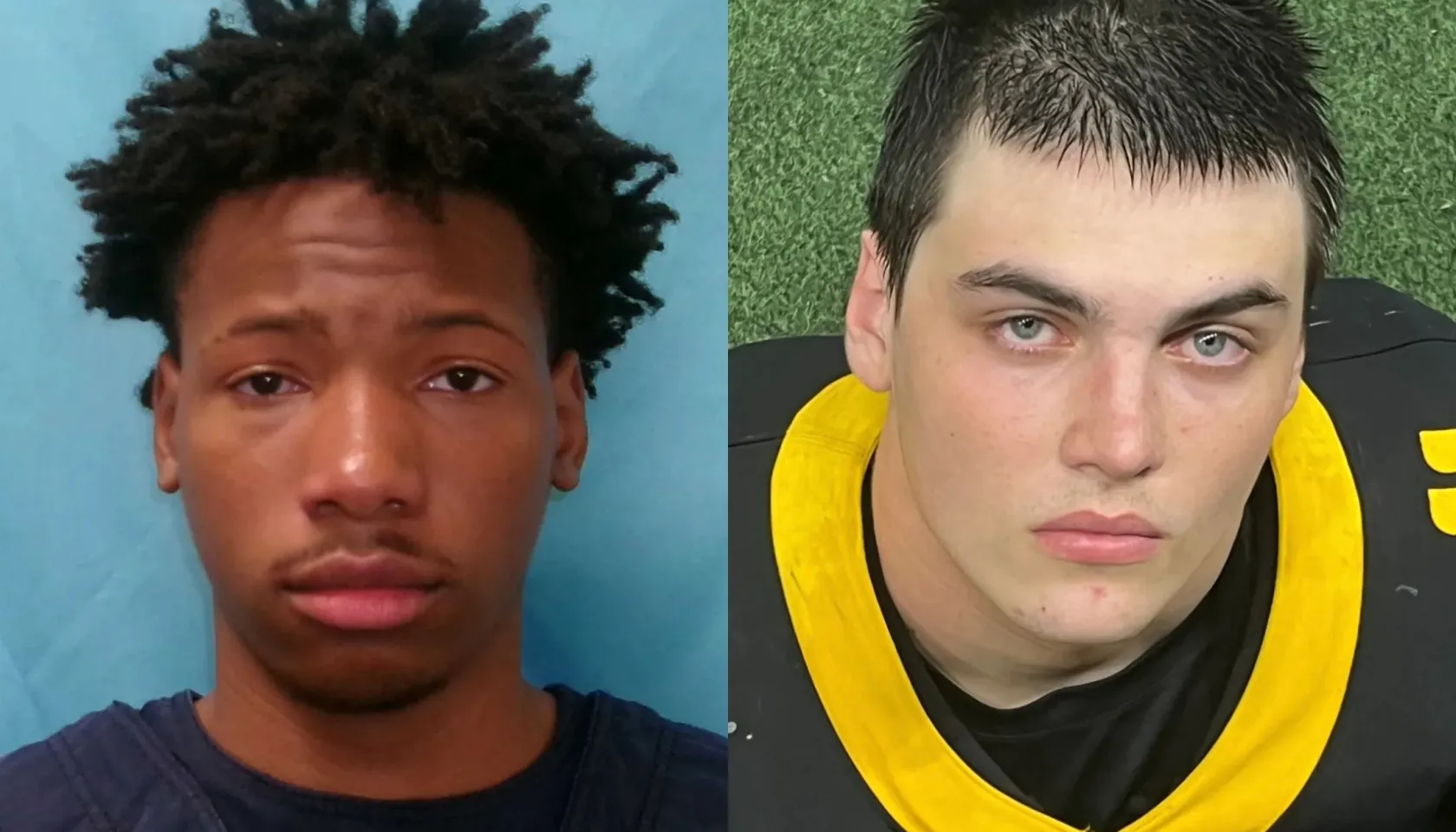
The release of Netflix’s documentary The Crash has renewed public interest in one of Ohio’s most widely discussed criminal cases, bringing fresh attention to the events surrounding the fatal 2022 crash that claimed the lives of Dominic Russo and Davion Flanagan.
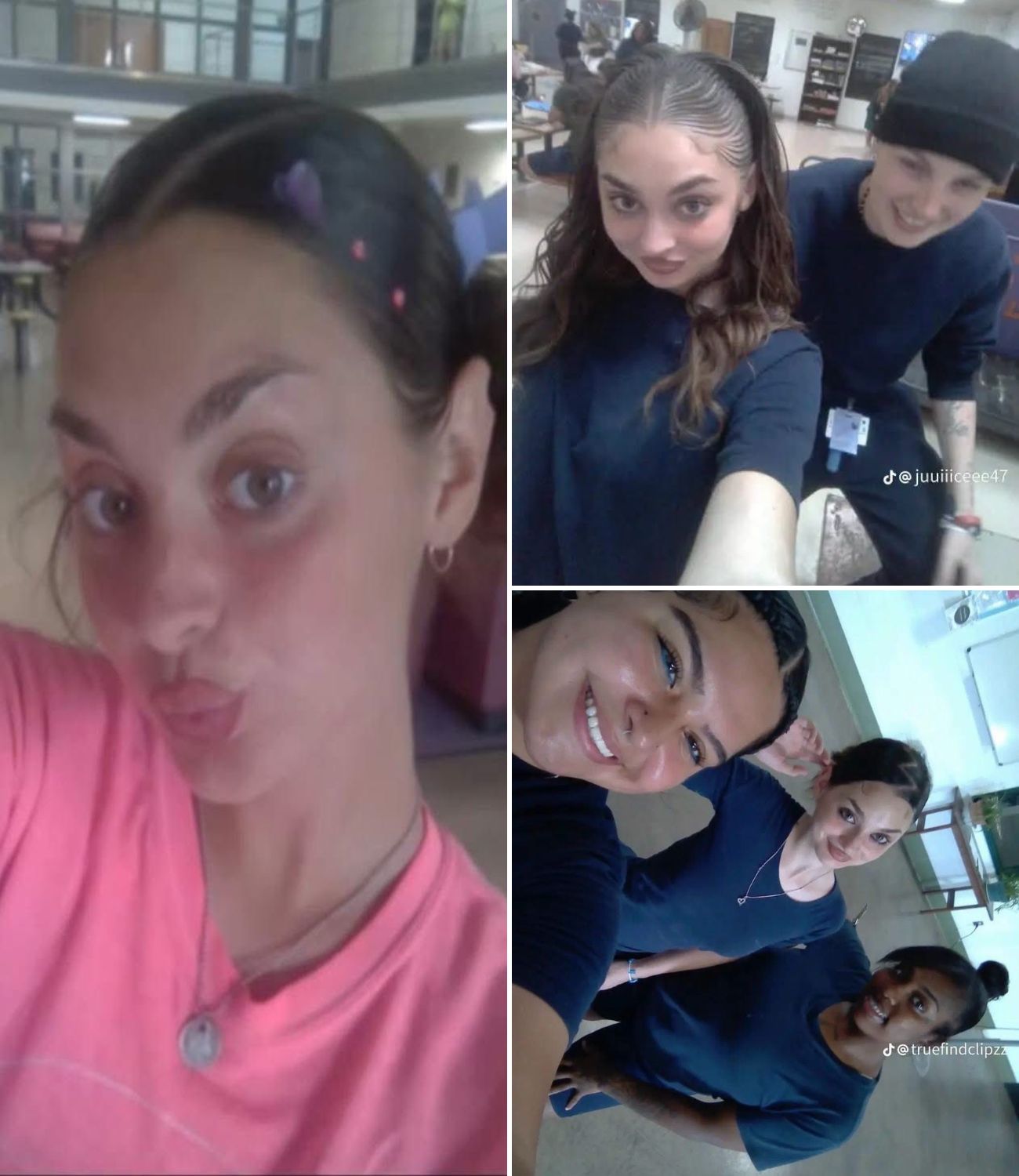
In recent weeks, photographs reportedly showing Mackenzie Shirilla during her time in prison have circulated widely across social media platforms. The images have generated significant discussion online, with many viewers expressing strong reactions to what they see.
The photos, which show Shirilla posing with other inmates and appearing comfortable in her surroundings, have become the latest focus of a debate that has continued for years.
For some observers, the images themselves are not controversial. They point out that incarcerated individuals continue to live daily lives while serving their sentences, and that a photograph captures only a brief moment in time.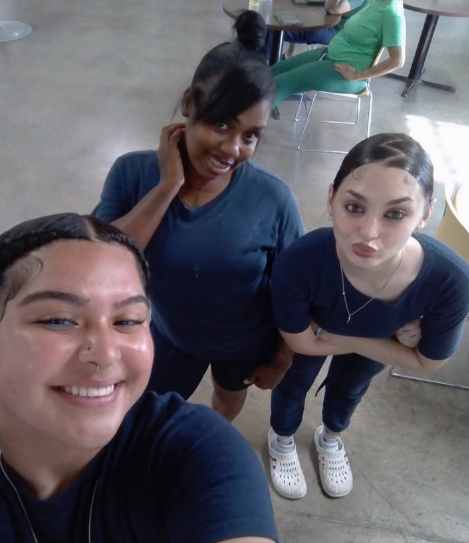
Others, however, say the images are difficult to view without thinking about the lives lost in the crash.
Much of the reaction online centers on the contrast between the photographs and the lasting consequences of the case. While Shirilla remains alive and continues her life within the prison system, Dominic Russo and Davion Flanagan never had the opportunity to continue theirs.
That contrast has become a recurring theme in online discussions.
Many social media users have commented that every new image serves as a reminder of what was taken from the two young men and their families. Supporters of the victims have emphasized that beyond the legal proceedings and media coverage, the case remains a deeply personal tragedy for those who lost loved ones.
The renewed attention comes after The Crash introduced the case to a new audience, sparking fresh conversations about accountability, loss, and the lasting impact of high-profile criminal cases.
Public reactions have varied widely.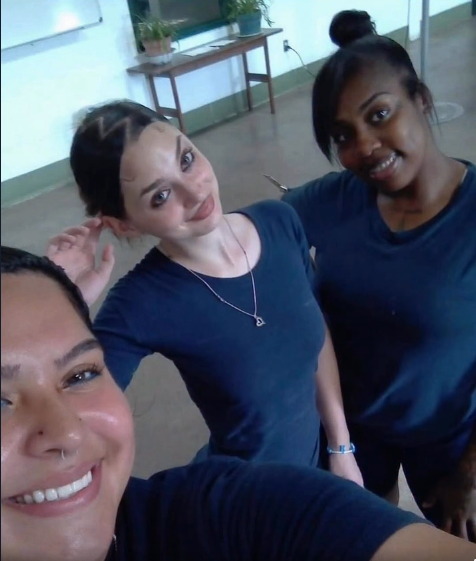
Some viewers focus primarily on the legal outcome and the court’s findings, while others concentrate on the emotional toll the tragedy continues to have on the victims’ families. Still others have questioned whether it is reasonable to draw conclusions about a person’s state of mind based solely on photographs shared online.
One issue that repeatedly surfaces in discussions is the question of remorse.
While some social media users argue that the images appear inconsistent with the seriousness of the tragedy, others caution that photographs alone cannot provide meaningful insight into a person’s feelings, thoughts, or level of regret.
Despite those differing viewpoints, there is broad agreement on one point: the case continues to evoke strong emotions years after the crash occurred.
For the families of Dominic Russo and Davion Flanagan, the passage of time has not erased the loss. Their names remain central to discussions surrounding the case, particularly whenever new developments, documentaries, or viral images bring public attention back to the tragedy.
As debate surrounding the photographs continues, many observers say it highlights a larger reality about high-profile criminal cases in the social media era. Long after court proceedings end, public opinion continues to evolve, often shaped by documentaries, interviews, photographs, and online commentary.
Whether the latest images change anyone’s perspective on the case remains uncertain. What is clear is that the photographs have once again reopened conversations about accountability, public perception, and the enduring grief experienced by the families of the two young men who lost their lives.
Years later, the case remains more than a legal story. For many people, it is still a reminder of a tragedy that continues to leave lasting questions and lasting pain.