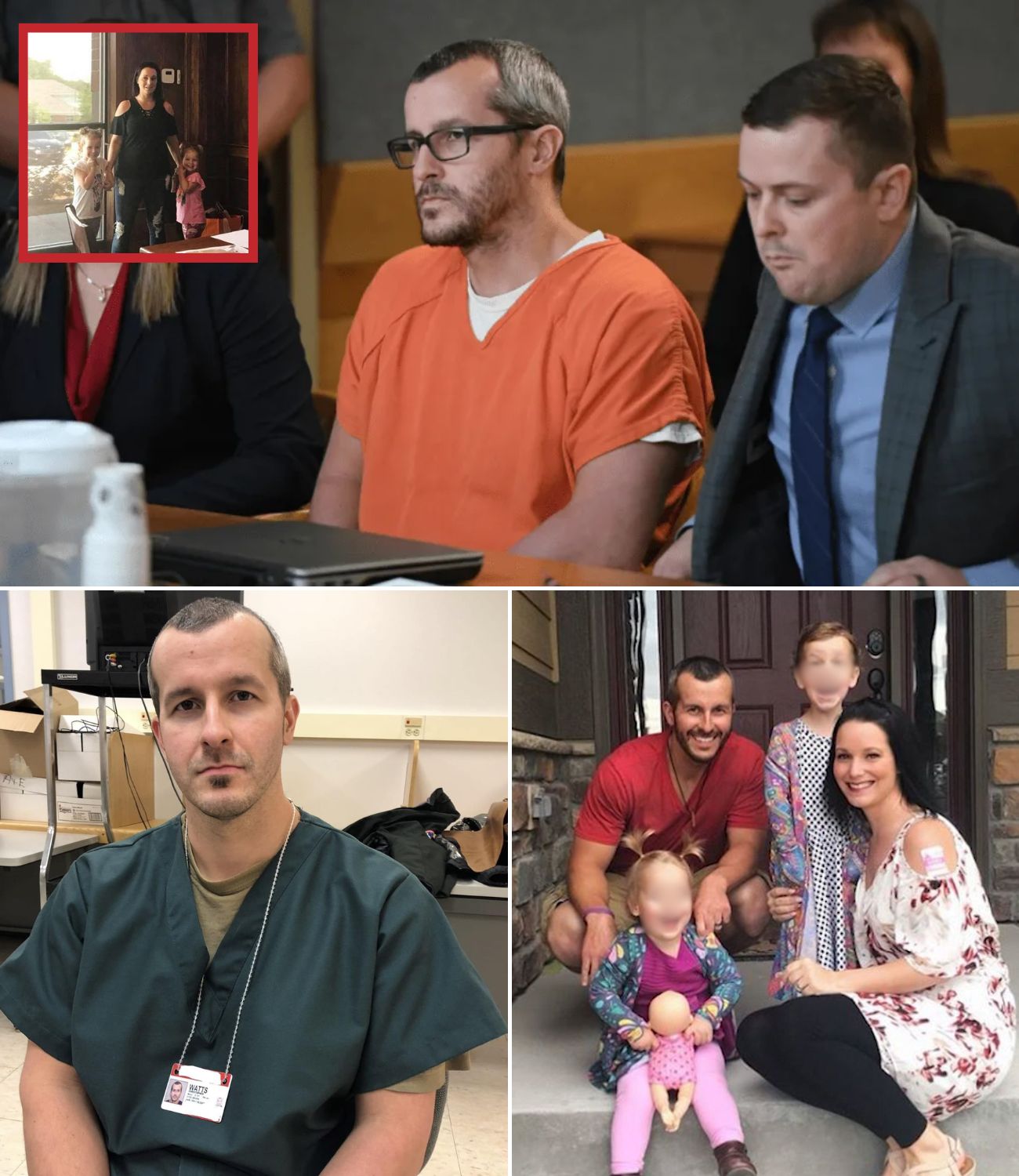
Nearly seven years after one of the most infamous family murder cases in modern American history, Christopher Watts remains incarcerated and will spend the rest of his life in prison for killing his pregnant wife, Shanann Watts, and their daughters, Bella and Celeste Watts. began in August 2018 when Shanann Watts and her daughters were reported missing from their home in Frederick, Colorado. Initially, Chris Watts appeared in television interviews and public appeals asking for their safe return. However, investigators soon uncovered inconsistencies in his statements, and the investigation quickly shifted toward him as the primary suspect.
Authorities later discovered that Watts had murdered Shanann, who was fifteen weeks pregnant with the couple’s unborn son, Nico. Investigators also determined that he killed Bella and Celeste before transporting the victims to an Anadarko Petroleum work site where he was employed. Shanann’s body was buried in a shallow grave, while Bella and Celeste were found inside separate oil storage tanks.
In November 2018, Watts pleaded guilty to multiple counts of murder and other related charges as part of an agreement that allowed him to avoid a potential death penalty prosecution. Shortly afterward, a Colorado judge sentenced him to five life sentences, including three consecutive life terms without the possibility of parole for the murders of Shanann, Bella, and Celeste.
 Following sentencing, Watts was initially housed within the Colorado prison system before being transferred to Dodge Correctional Institution in Wisconsin due to security concerns and the notoriety of his crimes. He remains incarcerated there under the supervision of the Wisconsin Department of Corrections.
Over the years, the Watts case has remained the subject of documentaries, books, interviews, and extensive public discussion. Court records, investigative reports, and subsequent media coverage have continued to examine the circumstances surrounding the murders and the devastating impact they had on the victims’ family members and the broader community.
 Today, Watts faces a future with no possibility of parole and no opportunity to return to life outside prison walls. While legal proceedings concluded years ago, the case continues to be remembered as one of the most shocking examples of family violence in recent American history. His sentence guarantees that he will remain incarcerated for the rest of his life, ensuring permanent accountability for crimes that permanently altered countless lives