
The murder of 21-year-old Lilly James remains one of the most disturbing criminal cases in recent Australian history. What began as a routine workday at a respected Sydney school ended in a tragedy that captured national attention and sparked difficult conversations about violence, obsession, and personal safety.
On October 25, 2023, Lilly James, a young sports coach and water polo instructor, arrived at work as she normally would. Friends and colleagues described her as energetic, ambitious, and well-liked. Few could have imagined that the school gymnasium where she worked would become the scene of a brutal homicide.
According to investigators, Lilly was attacked inside a bathroom connected to the school’s sports facilities. The alleged attacker was 24-year-old colleague Paul Thijssen, who also worked within the school’s sports program.
As detectives began reconstructing the timeline, surveillance footage became one of the most important pieces of evidence in the case.
Police stated that CCTV cameras captured Thijssen carrying a hammer and moving through the gym area before the attack occurred. Investigators alleged that he spent time inside the bathroom area prior to Lilly’s arrival. The footage was later examined in detail as authorities sought to understand exactly what had happened during the final moments before the assault.

Investigators reported that Lilly suffered numerous blows to the head and neck. Medical evidence indicated severe trauma consistent with an extended assault. The brutality of the attack shocked even experienced detectives and quickly transformed the case into a major national story.
Authorities emphasized that the evidence suggested planning rather than a spontaneous confrontation. This conclusion became a central focus of the investigation and later public discussion.
However, some of the most disturbing details emerged after the attack itself.
Police alleged that Thijssen did not immediately leave the scene. Instead, investigators said he remained inside the area for a significant period of time after Lilly had died. During this time, authorities examined messages sent from Lilly’s mobile phone, including communications directed toward family members.
 One message reportedly instructed Lilly’s father to come to the school because there was “trouble.” Investigators later concluded that the message had not been sent by Lilly herself.
The discovery added another deeply unsettling dimension to the case.
Emergency services were eventually contacted, and first responders arrived at the school. However, by that point, Lilly could not be saved.
News of the murder spread rapidly across Australia.
Students, parents, teachers, and members of the broader community struggled to comprehend how such a crime could occur inside an educational institution. Many expressed disbelief that a place associated with learning and safety had become the setting for such violence.
As police intensified their investigation, attention shifted to locating Thijssen.
The following day, authorities discovered his body near cliffs at Diamond Bay in Sydney’s eastern suburbs. Investigators concluded that he had died after falling from the cliff area. His death meant there would be no criminal trial, leaving many questions unanswered forever.
Without a trial, the public never had the opportunity to hear evidence tested in court. Instead, much of what became known about the case came through police investigations, forensic findings, and coronial proceedings.
Investigators nonetheless stated that the evidence painted a clear picture of the events surrounding Lilly’s death.
The case also triggered wider discussions about interpersonal violence and warning signs that may go unnoticed. Experts pointed out that many acts of serious violence are committed not by strangers but by individuals known to the victim. That reality made the case particularly unsettling for many Australians.
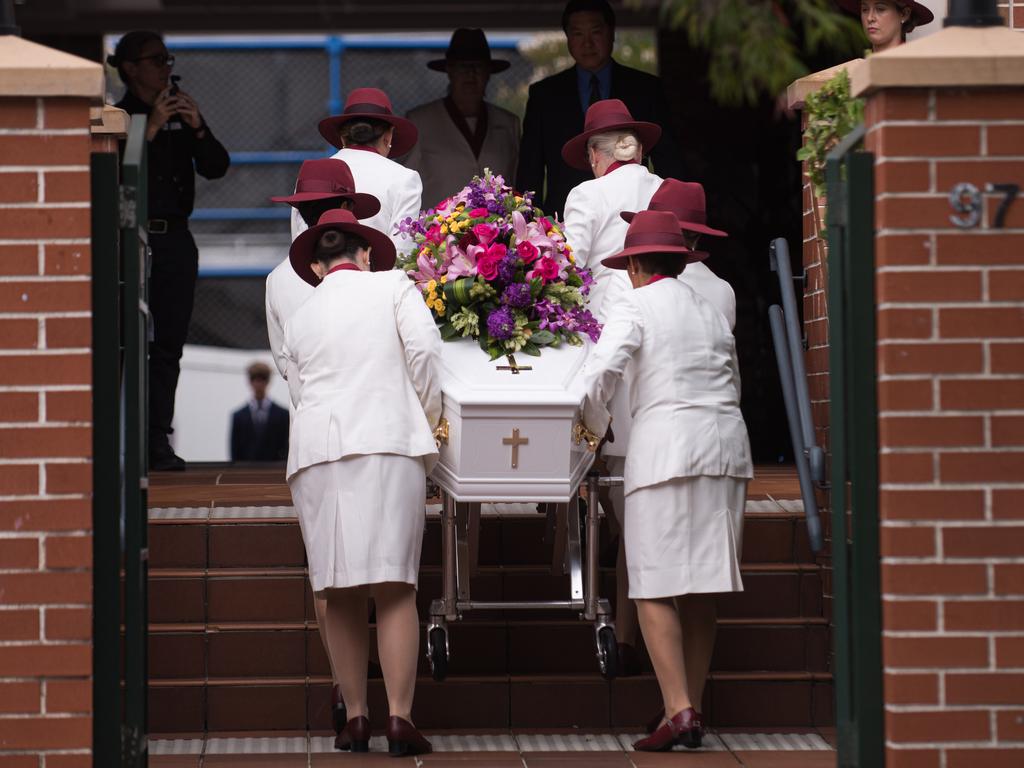
Friends and family remembered Lilly not as a victim, but as a vibrant young woman with a promising future. Tributes poured in from former students, teammates, colleagues, and community members. Vigils were held in her honor, and countless messages celebrated her kindness, dedication, and positive influence on others.
In the months that followed, the tragedy continued to generate public debate.
Questions were raised about workplace relationships, personal boundaries, and the ways in which controlling or obsessive behavior can escalate. Advocates for violence prevention argued that the case highlighted the importance of recognizing warning signs before situations become dangerous.
Meanwhile, investigators pointed to the role modern technology played in uncovering the facts. CCTV footage, digital communications, forensic analysis, and mobile phone data all contributed to reconstructing the events with remarkable precision.
Today, the murder of Lilly James remains a case that deeply affected Australia.
While investigators believe they understand what happened inside the school gymnasium that day, the emotional impact continues to be felt by those who knew her and by many who followed the case from afar.
More than anything, the tragedy serves as a reminder that violence can emerge in places that appear completely ordinary. A familiar workplace, trusted colleagues, and a normal day can sometimes conceal dangers that remain invisible until it is too late.
For many Australians, Lilly James’s story is not only a criminal case—it is a heartbreaking reminder of a young life cut short and a community forever changed.