In a fiery exchange that has ignited Atlanta’s music scene, rapper T.I. publicly slammed music executive Ray Daniels, labeling him an “Atlanta implant” and demanding he stay out of Atlanta’s business. The confrontation follows Daniels’ persistence in criticizing T.I.’s artistry and approach to the hip-hop industry.
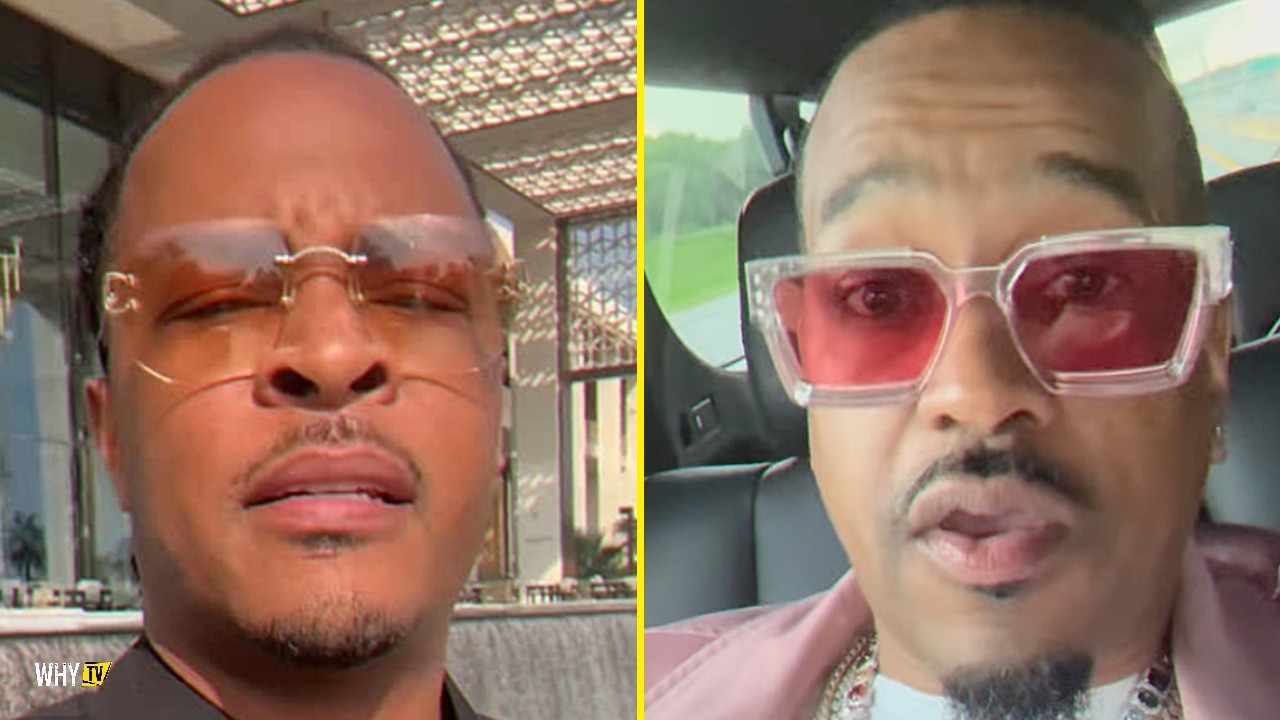 During a charged interview on The Breakfast Club, T.I. responded with unapologetic intensity to Ray Daniels’ earlier comments made on another platform. Daniels had previously accused the rapper of “chasing hits,” implying a lack of authenticity or commitment to the Atlanta sound. Rather than sidestep the criticism, T.I. confronted Daniels head-on, repudiating his claims and questioning his legitimacy within the Atlanta community.
T.I. emphasized the notion of genuine roots and belonging, insisting that Daniels is an outsider merely implanted into the city’s culture. He described Daniels as a welcomed visitor but not a permanent fixture, underscoring the divide between authentic Atlanta insiders and those he perceives as interlopers. “Ray is an Atlanta implant,” T.I. declared, stressing that Daniels’ opinion carries less weight because of his outsider status.
The rapper’s remarks highlighted the tension around what defines Atlanta’s music scene and who holds authority within it. T.I. pointed out that Daniels, often assumed to be Atlantabased, is in fact not a native, questioning his understanding and right to critique the city’s evolving artistry. This sparked widespread curiosity and debate among fans and industry watchers.
The exchange has rapidly become a focal point of discussion online, with supporters of both men weighing in on the confrontation. Fans are debating whether Daniels’ critiques were legitimate industry observations or unwelcome attacks on a local icon. Meanwhile, others see T.I.’s forceful response as a defense of Atlanta’s cultural integrity.
Within the rap community, authenticity and origins carry deep significance. T.I.’s vehement defense of Atlanta’s homegrown talent underscores a broader conversation about preserving the city’s unique hip-hop identity amid external pressures and influences. The incident reveals fissures about ownership of the city’s sound and its representation.
 Ray Daniels’ continued criticism, despite pushback, signals ongoing friction between established rap veterans and influential executives who shape trends from behind the scenes. Daniels’ insistence on calling out T.I. for chasing commercial success challenges the balance between artistry and market appeal that many Atlanta rappers navigate daily.
As this saga unfolds, the music industry and fans alike watch closely to see if reconciliation or further division will follow. T.I.’s charge that Daniels must “stay out of Atlanta business” draws a clear boundary on cultural and territorial loyalty, a line not to be crossed lightly in the game of hip-hop power dynamics.
This confrontation is more than personal beef; it reflects the stakes involved in Atlanta’s continued rise as a dominant force in American music. The city’s artists fiercely guard their creative sovereignty, and T.I.’s public stand sends a strong message about respect, authenticity, and control.
In the rapidly evolving Atlanta scene, every voice that claims influence is tested, especially when questions of origin and allegiance arise. The T.I.–Ray Daniels clash epitomizes these tensions, laying bare the complex relationships that drive the city’s cultural output and its global stature.
Industry insiders note this showdown exposes underlying conflicts about who truly represents Atlanta’s artistic heartbeat. Daniels’ outsider status may undermine his credibility in some eyes, while others see his critiques as necessary challenges that push artists to evolve and remain competitive.

T.I.’s outspoken refusal to accept Daniels’ narrative resonates with Atlanta’s pride in its homegrown talent. It shines a spotlight on the ongoing struggle for narrative control over the city’s music legacy, which has become as influential as its sound is ubiquitous worldwide.
The rapid-fire back-and-forth fuels speculation about future collaborations or conflicts within the scene. Whether this tension escalates or cools down, it has prompted a broader reflection on respect, authenticity, and the boundaries of critique within Atlanta’s hip-hop community.
Social media reactions exploded following the broadcast, with hashtags related to the feud trending across platforms. Fans dissected T.I.’s rhetoric and Daniels’ earlier commentary, sparking lively debate over loyalty, influence, and the evolving definition of Atlanta’s musical identity.
T.I.’s comments put a spotlight on the intricate dynamics between artists and executives, revealing how personal and professional lines blur in the contest for cultural dominance. The rapper’s defense of Atlanta’s “real homegrown products” points to a fiercely guarded sense of community and heritage.
 As tensions simmer in the background, both figures remain influential forces within hip-hop, albeit from very different vantage points. T.I., as a pioneering artist, and Daniels, as a music executive, represent the creative and business sides of a competitive and complex industry.
This public dispute underscores how Atlanta’s status as a music capital makes it a battleground for identity, authority, and creative control. The city’s future soundscape may well be shaped by how conflicts like this resolve and what narratives prevail.
Observers now wait to see if Ray Daniels will respond to T.I.’s outspoken challenge or shift his approach in addressing Atlanta-based artists. The ripple effects may reach beyond the city, influencing perceptions across the wider hip-hop world.
T.I. concludes his position by stressing respect for Atlanta’s community and its artists, insisting that only those truly rooted should influence its direction. His commanding message resonates as both a warning and a call for loyalty amid a fiercely competitive cultural landscape.
This explosive exchange marks a pivotal moment in Atlanta’s ongoing evolution as a cultural powerhouse. The stakes remain high, and both T.I. and Ray Daniels stand at the center of a debate that could redefine the city’s music industry future.