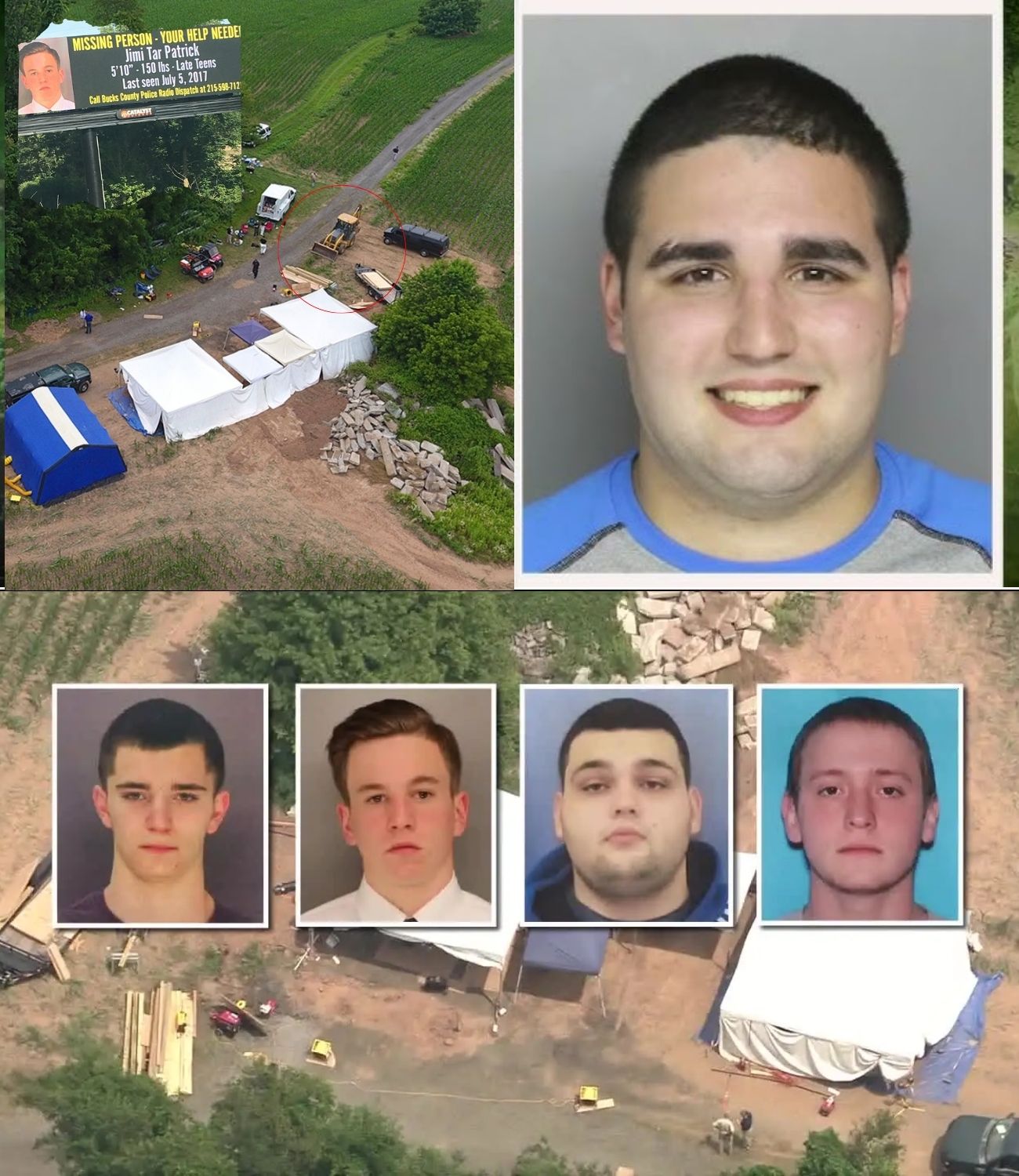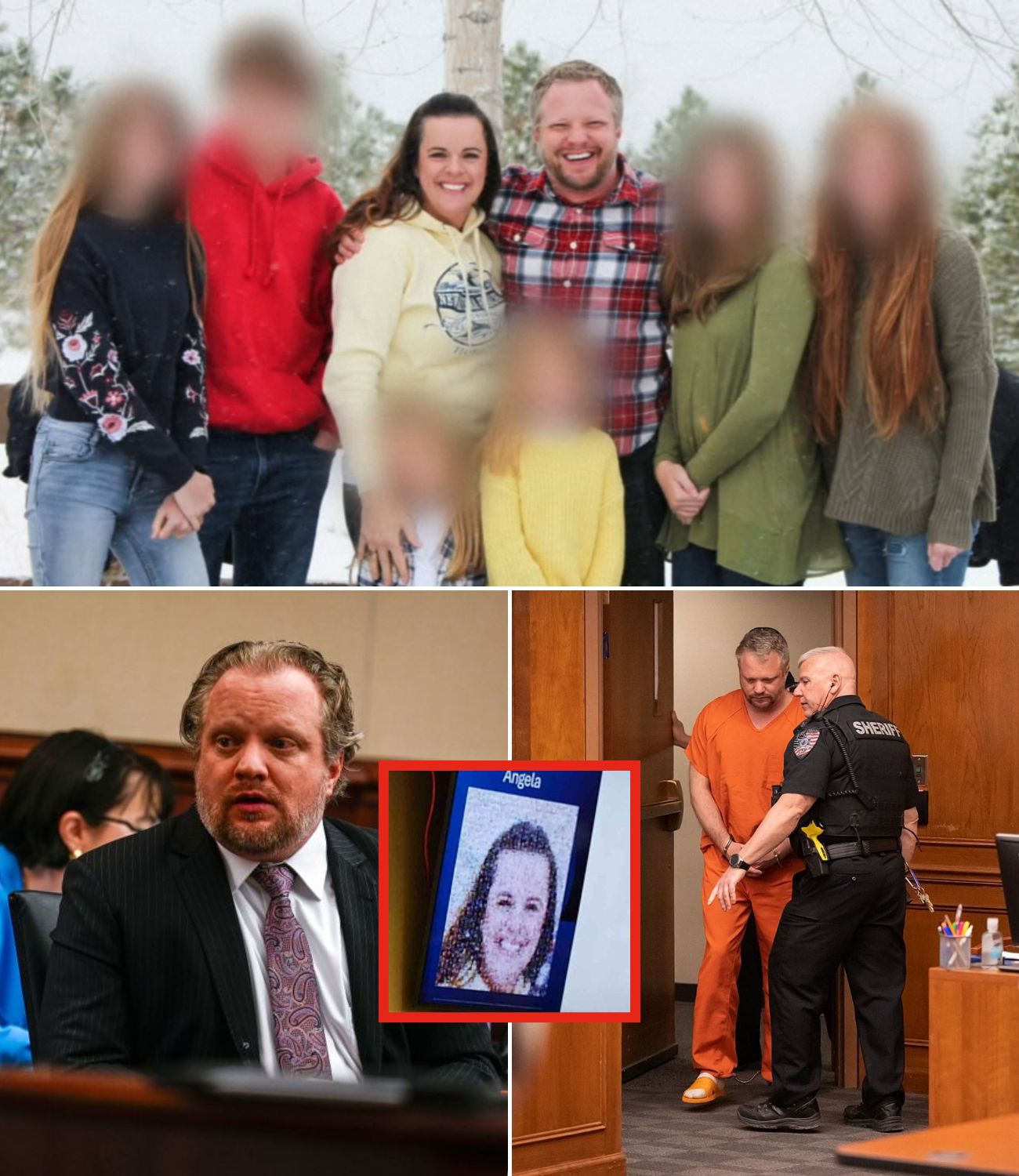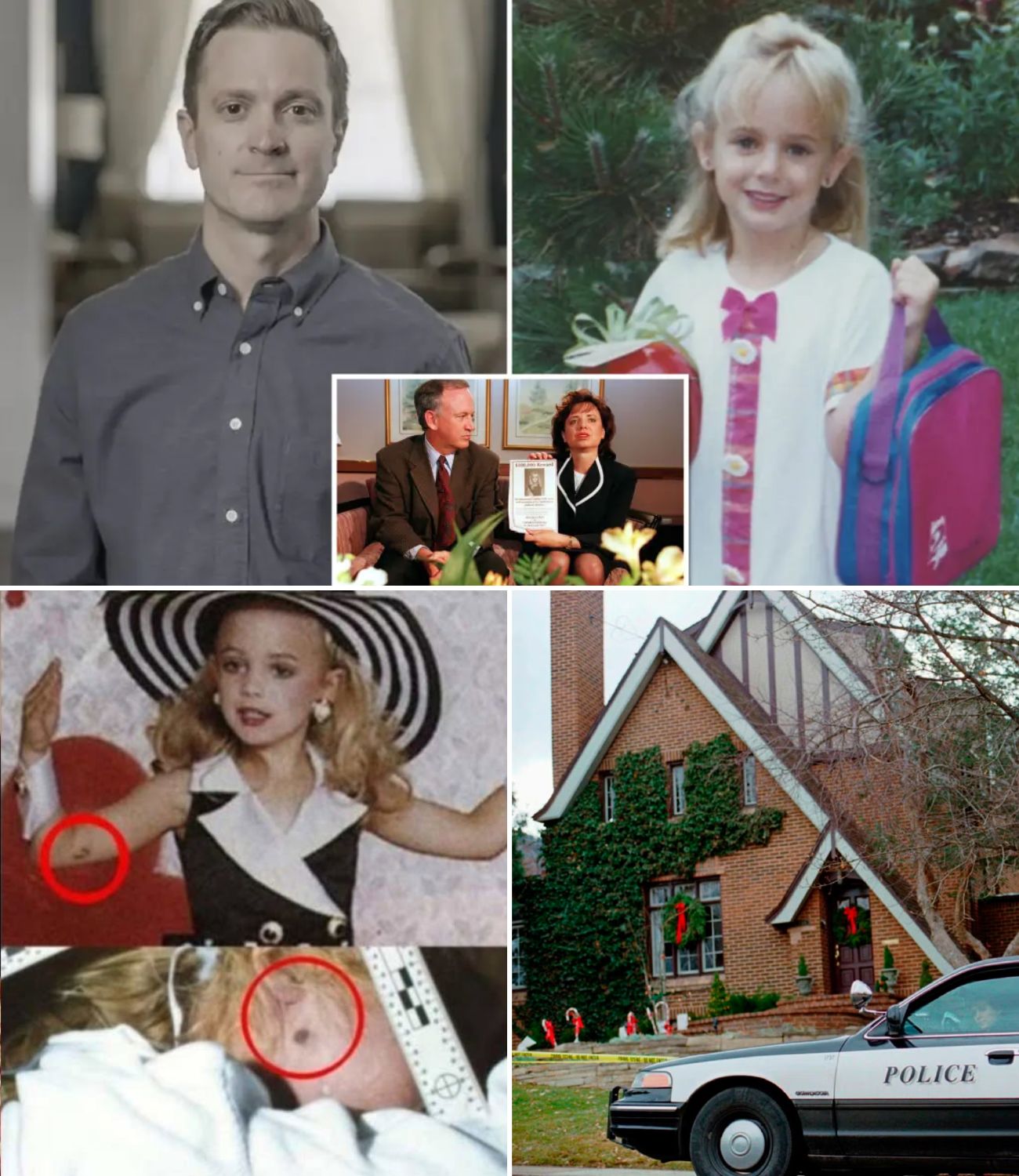
At first glance, the footage appears almost unremarkable. The images are grainy, the movements are slow, and the faces are often difficult to distinguish. To a modern viewer, it might seem like just another fragment of early cinema. But those who continue watching soon realize they are witnessing something extraordinary—a genuine piece of American history preserved against incredible odds.
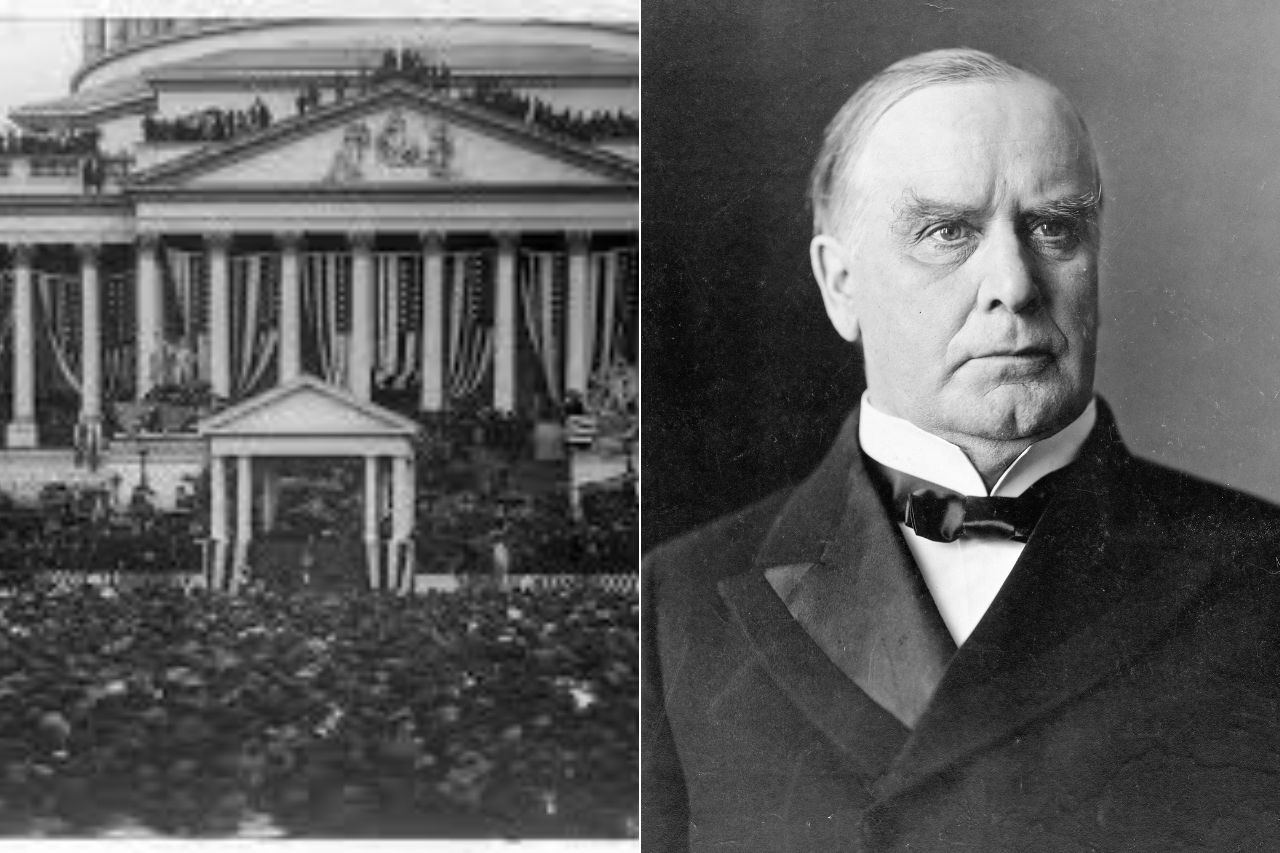
These silent moving images document the funeral of President William McKinley, the 25th President of the United States, whose life was tragically cut short after an assassin’s bullet struck him in September 1901. Filmed by the Thomas A. Edison Company, the footage stands among the earliest surviving motion pictures to record a presidential funeral, offering modern audiences an authentic glimpse into one of the nation’s most solemn moments.
McKinley had served as president since March 4, 1897. During his administration, the United States emerged as an increasingly influential world power following the Spanish-American War. His leadership guided the country through a period of economic recovery and territorial expansion. Yet on September 6, 1901, while greeting members of the public at the Pan-American Exposition in Buffalo, New York, McKinley was shot by anarchist Leon Czolgosz.
Although doctors initially believed the president might recover, his condition unexpectedly worsened due to infection. Eight days after the shooting, on September 14, 1901, William McKinley died at the age of 58. His death shocked the nation and elevated Vice President Theodore Roosevelt to the presidency.
Within days, the Thomas A. Edison Company dispatched camera operators to document the funeral ceremonies. Motion pictures were still a revolutionary technology at the beginning of the twentieth century. Most films lasted only a few minutes, contained no synchronized sound, and were viewed as technological curiosities rather than historical records. Few could have imagined that these brief reels would survive for more than 120 years.
The surviving footage begins with the arrival of the funeral train in Canton, Ohio, McKinley’s hometown. Contemporary descriptions praised the camera’s position, allowing viewers to witness the train slowly entering the station. Even in black and white, one remarkable detail is carefully noted: the locomotive was decorated with black crepe, symbolizing national mourning.
As the train comes to a stop, diplomats, military officers, and members of the reception committee remove their hats in silent respect. There are no dramatic gestures, no loud speeches, and no applause. Instead, the dignity of the occasion is expressed through quiet movements and solemn tradition.
One of the most fascinating moments appears only briefly. Standing near the casket is Theodore Roosevelt, who had become president only hours earlier. Many viewers unfamiliar with history might overlook him entirely. Yet this man, walking quietly beside the funeral procession, would soon become one of the most influential presidents in American history.
Contemporary Edison captions proudly noted that Roosevelt appeared unusually close to the camera, describing the image as one of the finest ever recorded of the new president. For audiences in 1901, seeing the nation’s leader moving in life-size motion pictures was an astonishing experience.
The film then shifts to McKinley’s home. Soldiers and sailors carefully carry the president’s casket from the residence while Roosevelt, members of his Cabinet, admirals, generals, and diplomats stand with uncovered heads. Every movement is deliberate. The casket is slowly lowered into the waiting hearse as thousands observe in respectful silence.
Unlike modern state funerals broadcast from dozens of camera angles, these early films relied upon a single stationary camera. Nothing is staged. There are no second takes. Every person captured on film was unaware that future generations would one day examine these images frame by frame.
The funeral procession itself is equally remarkable. Cavalry units lead the march through Canton, followed by veterans, military escorts, admirals, generals, and the president’s hearse. Behind them travel family members and close friends before long columns of National Guard troops and United States Navy sailors continue the procession toward the cemetery.
One especially impressive sequence captures soldiers executing a precise right-wheel maneuver as they enter the cemetery gates. The camera remains fixed, allowing viewers to appreciate both the scale and discipline of the military escort. For audiences at the time, these moving images offered an unprecedented opportunity to witness events occurring hundreds of miles away.
Perhaps the greatest significance of this footage lies not simply in what it records but in what it preserves. Countless motion pictures produced duri