Carl Crawford fiercely shuts down critics attacking his unexpected success in the music industry, especially his collaboration with Megan Thee Stallion. Facing relentless trolling for leaving sports and his roots behind, Crawford delivers a scathing, no-holds-barred response, asserting his rightful place and warning haters to stay in their lane immediately.
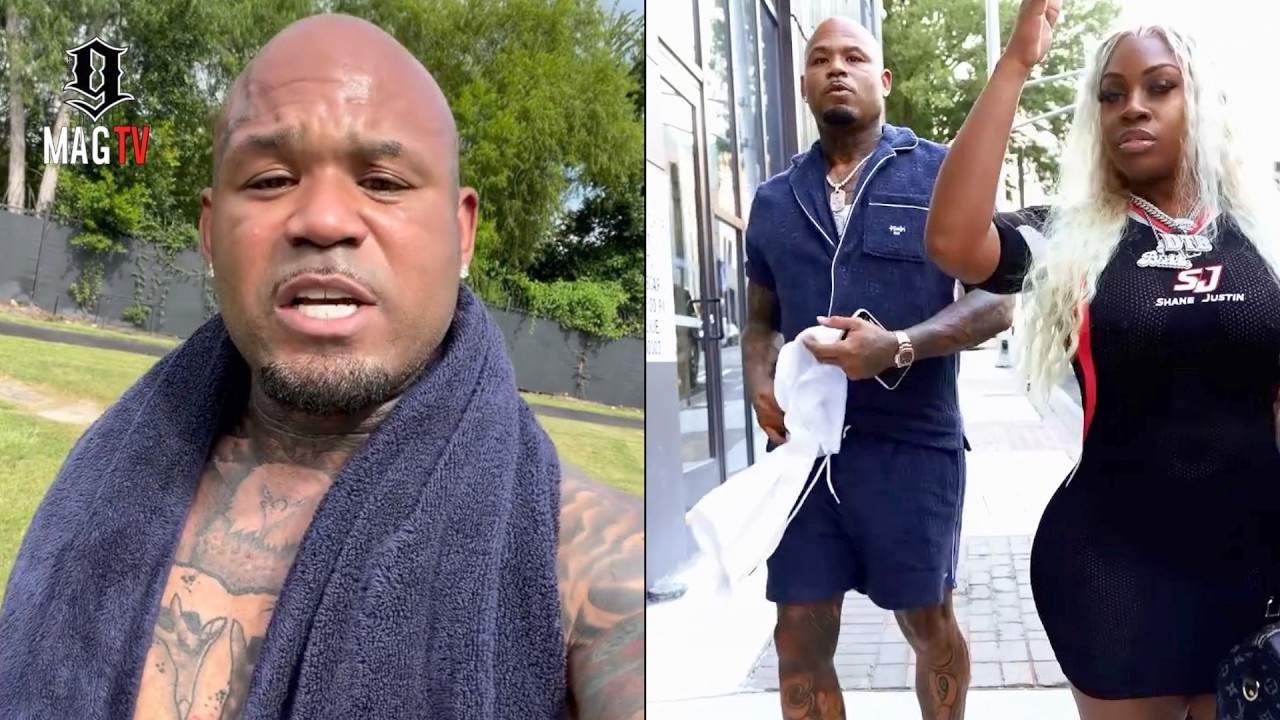 Carl Crawford is not holding back in his latest outburst against trolls who criticize his successful pivot from baseball to music. The former athlete and now music entrepreneur confronts detractors head-on, expressing frustration over people’s refusal to accept his achievements beyond the baseball diamond.
The backlash began as Carl established himself in the rap game, notably succeeding alongside superstar Megan Thee Stallion. Skeptics questioned his career shift, belittling his musical endeavors and suggesting he should have stuck to sports instead of embracing his artistic dreams.
“You should have played baseball,” critics chant, doubting his authenticity and accusing him of abandoning his roots. Carl counters that narrative with pride, emphasizing his upbringing in Houston’s Fifth Ward and a mindset forged through hardship, fueling his drive rather than detracting from it.
Crawford’s message is clear: he is unapologetic about his diverse ambitions in entertainment and sports. “My life’s dreams were to do both,” he declares in a raw, unfiltered video addressing his detractors. His refusal to be boxed into one identity resonates strongly, challenging narrow expectations.
The athlete-turned-artist compares his journey to iconic figures like Jay-Z, who also masterfully balance sports and music careers. Critics who praise such dual success for others are called out for hypocrisy when it comes to his own path, highlighting a double standard in public opinion.
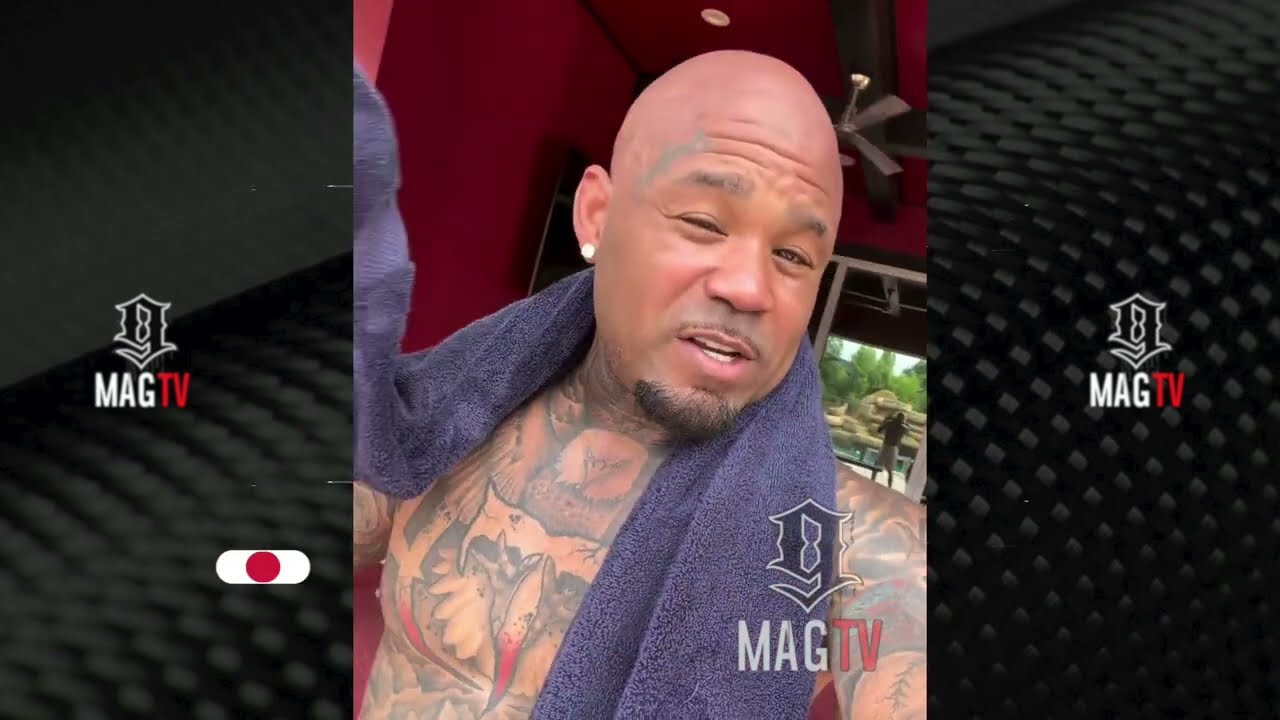
At the heart of Crawford’s tirade is the undeniable fact: he won. “I came into the rap game, and I won,” he boasts, angered by those who relentlessly attack his accomplishments as if they were personal affronts to their own failures. His victory is not just personal but symbolic.
Adding fuel to the fire, Carl warns that his critics’ obsession grows because of his rising influence, particularly with new talent like Diamond in the Body poised to ascend under his guidance. This next chapter is already stirring envy and resistance from the naysayers.
Through the intensity of his response and the urgency in his tone, Carl Crawford commands attention. His emphatic closing plea is brutally straightforward: focus on your own challenges and leave him to thrive in his chosen industry without unwarranted criticism.
This breaking confrontation shines a spotlight on the fierce challenges faced by athletes transitioning careers, especially in highly scrutinized fields like entertainment. Carl Crawford’s story underlines the personal battles behind public success and the move from sports icon to music mogul.
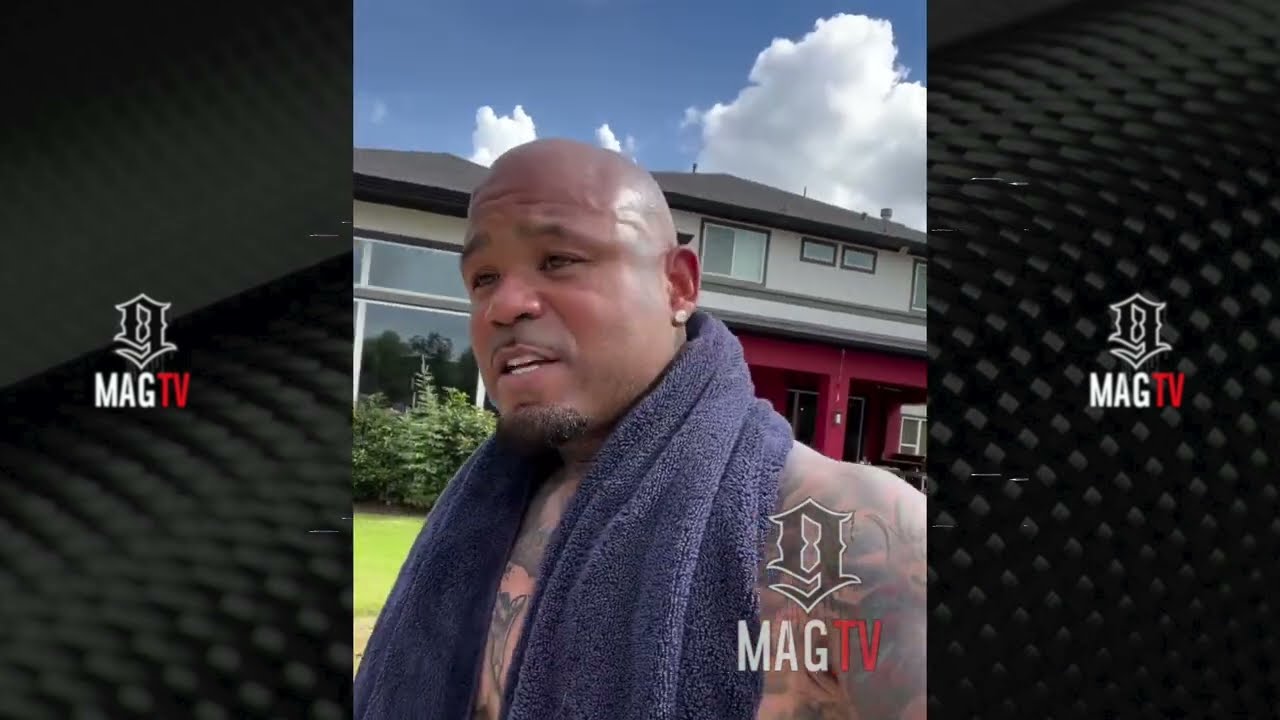
As Crawford continues to expand his influence beyond baseball, the scrutiny escalates. His defense is a reminder that breaking molds invites resistance, but resilience and victory are his answers. The narrative now shifts—Carl Crawford is no longer just a former athlete; he is a powerhouse asserting his place in music.
Fans and critics alike are watching closely as this confrontation unfolds. Whether viewed as a deserved rebuke or a flash of temper, Crawford’s message resonates: he’s here to win on his terms, undeterred by those who doubt or demean him.
The music industry, known for fierce competition and skepticism, now welcomes a unique player who refuses to be sidelined by expectations. Carl Crawford’s explosive reaction signals a pivotal moment in his career redefining success and identity in a complex cultural landscape.
Crawford’s fiery dismissal of detractors is not just a defense but a declaration of war against dismissiveness, urging respect for the hard-fought victories and diverse talents he embodies. This episode marks a turning point in his public persona and future trajectory.
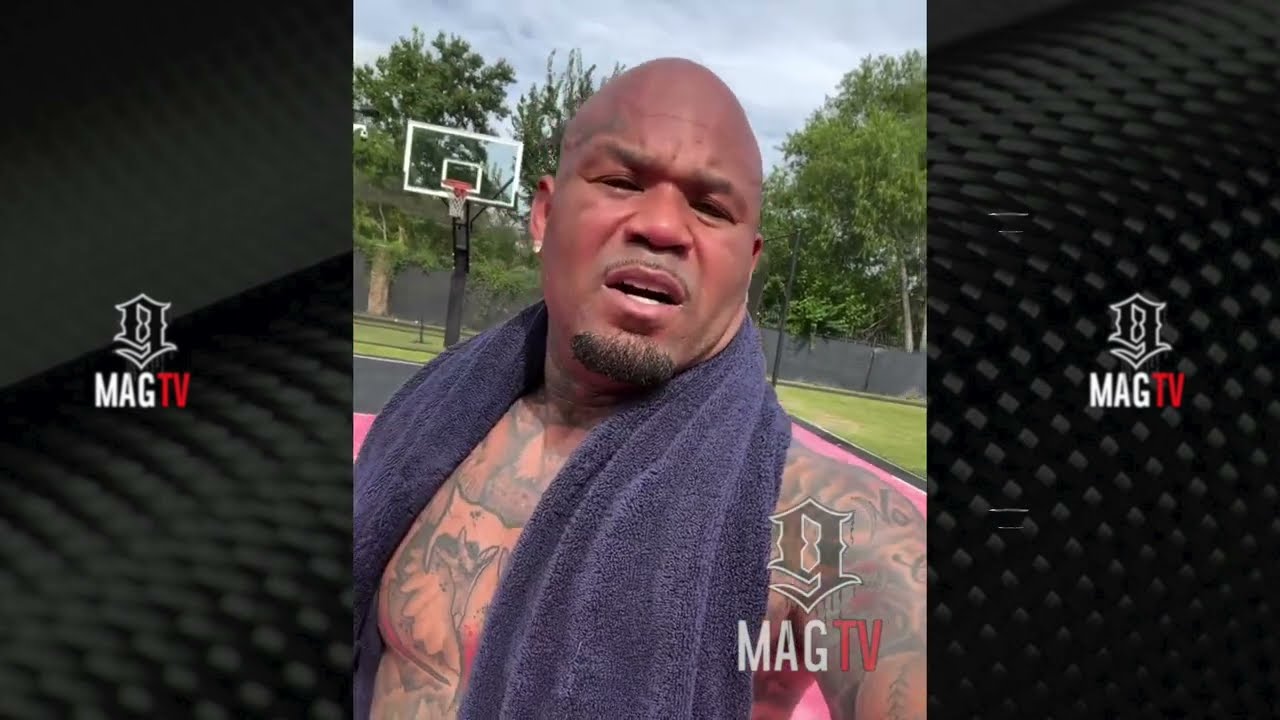
As the dust settles, one truth remains clear: Carl Crawford won his spot in the music world alongside Megan Thee Stallion and isn’t going anywhere. Critics beware—his next moves, including launching new artists, will only amplify his presence and provoke further debate.
In a cultural moment charged with authenticity battles and complex identities, Crawford’s unapologetic stance challenges conventional narratives. His defiant words echo a deeper struggle for recognition in an industry where gatekeeping remains fierce but ambition burns brighter.
This explosive response from Carl Crawford reverberates across social and entertainment media, forcing a reevaluation of how success is perceived when it crosses traditional boundaries. His story is a testament to perseverance, evolution, and bold self-belief in the face of skepticism.
As the saga continues, Crawford’s rise symbolizes more than personal triumph—it represents breaking barriers and inspiring others who dare to reshape their destinies beyond initial labels or expectations. His victory is a loud, unmistakable statement: no one controls his narrative but him.


