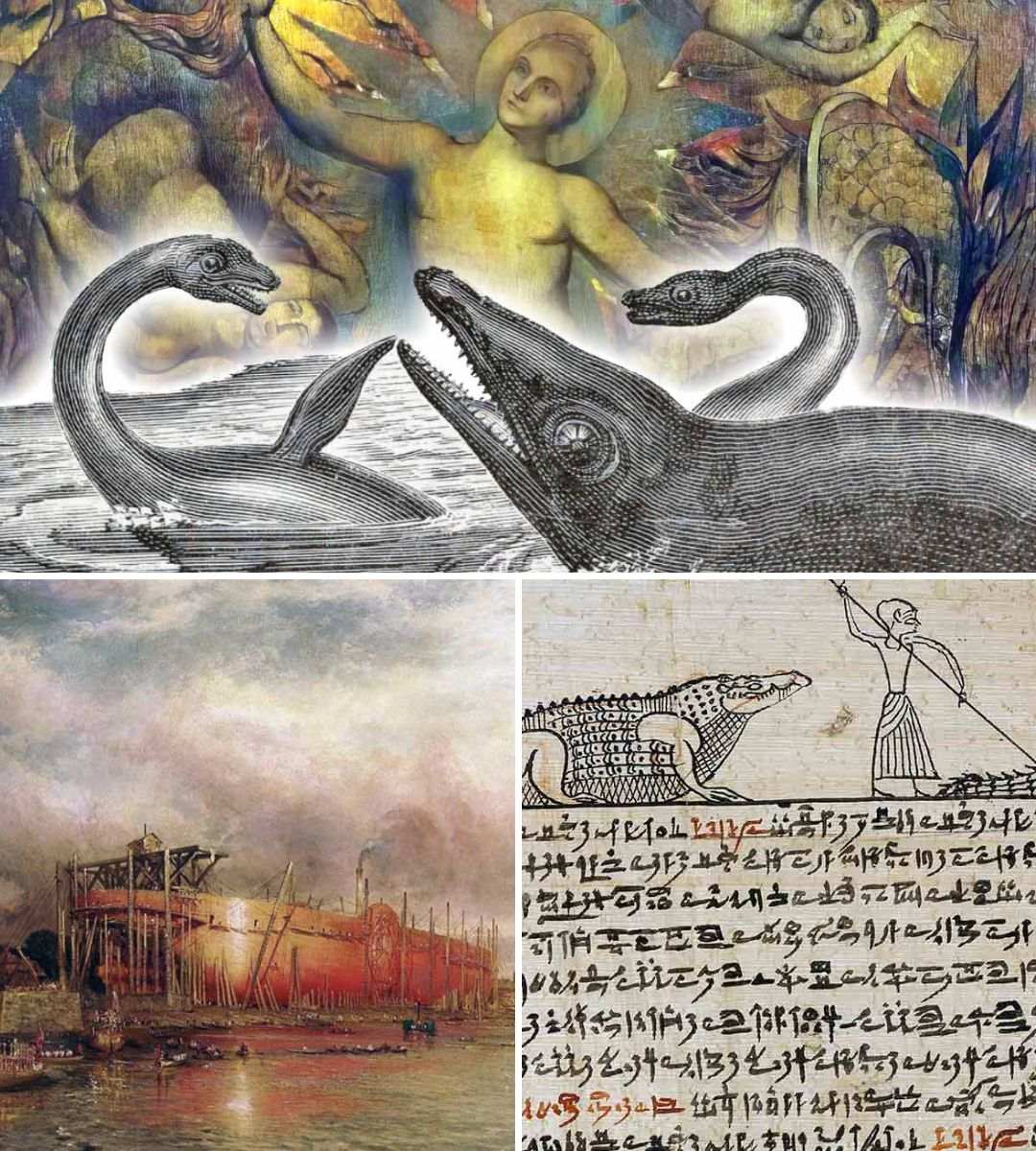

The enigmatic Leviathan has captivated imaginations for centuries, weaving its way from ancient texts to modern discussions about power and myth. But what exactly is this creature that has inspired both awe and fear throughout history? Let’s dive deep into the layers of this biblical mystery.
The term “Leviathan” has its roots in the ancient Middle East, but today it evokes images of colossal forces, both literal and metaphorical. In contemporary language, it often describes anything vast and powerful, from massive corporations to military might. This duality of meaning invites us to explore whether the Leviathan was a real creature or merely a symbol of chaos and strength.
 Many scholars suggest that the biblical Leviathan might have been inspired by the Nile crocodile. With its formidable scales and predatory nature, the crocodile fits some descriptions found in the Book of Job. The text paints a vivid picture of a creature with armor-like skin and a powerful presence, making it a fitting candidate for the fearsome Leviathan. However, the crocodile’s habitat in freshwater rivers contrasts sharply with the Leviathan’s oceanic associations.
Others speculate that the Leviathan could represent a massive whale. These gentle giants of the sea are the largest animals to have ever existed, dwarfing even the most fearsome dinosaurs. The discovery of an enormous prehistoric sperm whale fossil, named Livyatan melvillei, only adds to the intrigue. The biblical story of Jonah and the whale further illustrates humanity’s long-standing fascination with these colossal sea creatures, although the text refers to Jonah’s captor simply as a “big fish.”
Interestingly, some enthusiasts have even suggested that the Leviathan could be an anachronistic dinosaur. While the idea is captivating, it raises questions about the timeline of existence. Dinosaurs vanished millions of years before humans appeared, making it unlikely that biblical authors had any knowledge of them. Yet, some proponents of creation science argue that dinosaurs and humans coexisted, thus giving rise to dragon myths.

The notion of the Leviathan a a mythical dragon also holds weight. The Bible features various fantastical creatures, and the Leviathan’s description as a multi-headed beast echoes tales from Greek mythology, such as the Hydra. This connection invites us to consider whether the Leviathan was a literary device, crafted to symbolize chaos and divine power rather than a real animal.
The Leviathan serves as a metaphor for many themes within the biblical narrative. It embodies God’s omnipotence, representing the ultimate power over chaos. The sea, often seen as a symbol of disorder, is personified by the Leviathan, which ancient heroes battled to restore order. Additionally, tyrannical nations and spiritual evil are depicted through this fearsome creature, illustrating the multifaceted nature of its symbolism.
As we unravel the mystery of the Leviathan, it becomes clear that it transcends a singular identity. It may represent a collective of sea creatures or a blend of various animals observed by ancient peoples. Their descriptions, while pre-scientific, still reflect real encounters with the natural world, albeit through a lens shaped by their time.
Ultimately, the Leviathan stands as a testament to humanity’s enduring fascination with the unknown. It embodies the awe-inspiring and terrifying aspects of nature, inviting us to ponder the depths of creation and the mysteries that lie beneath the surface. What other secrets might this ancient symbol hold?