
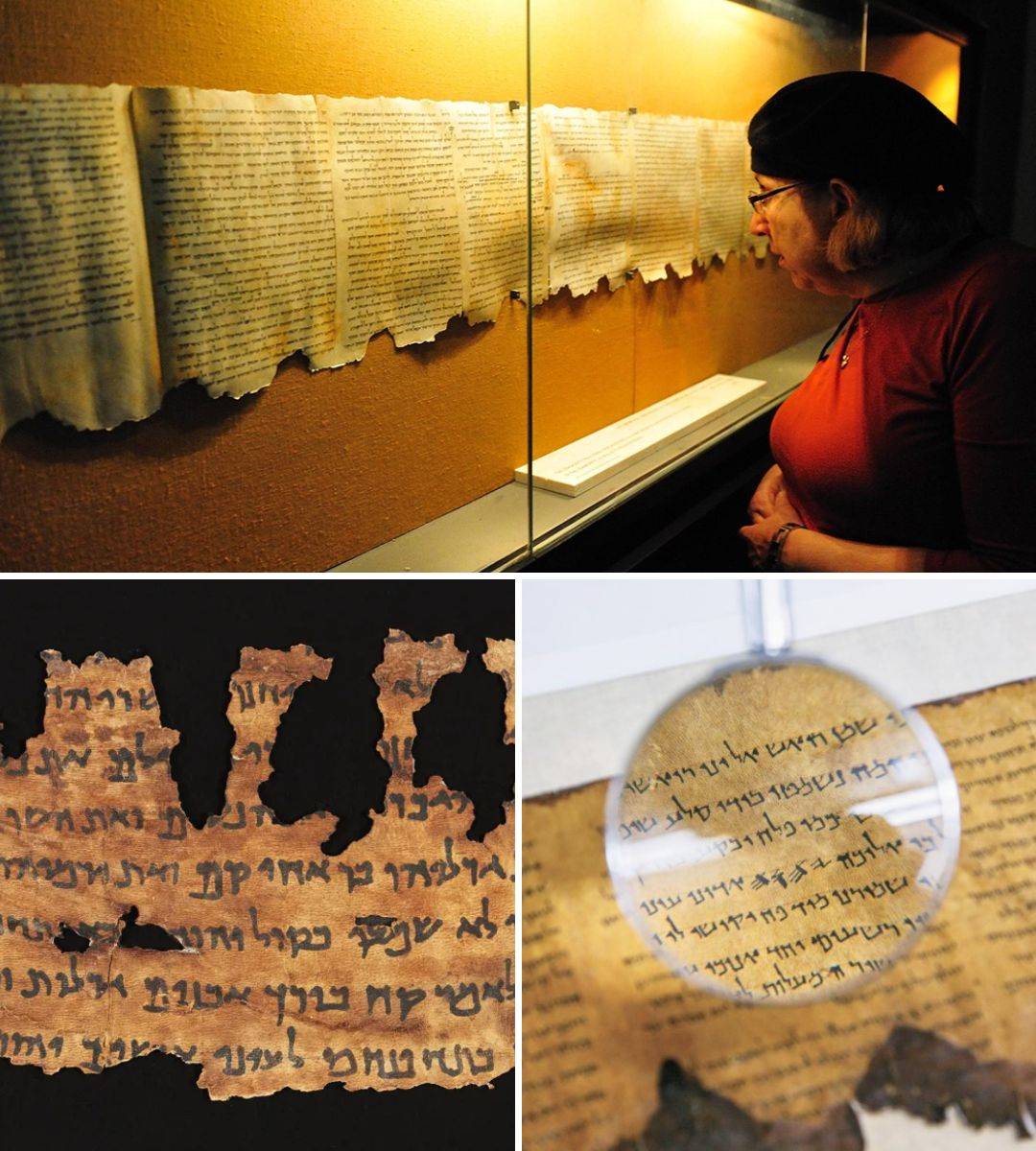
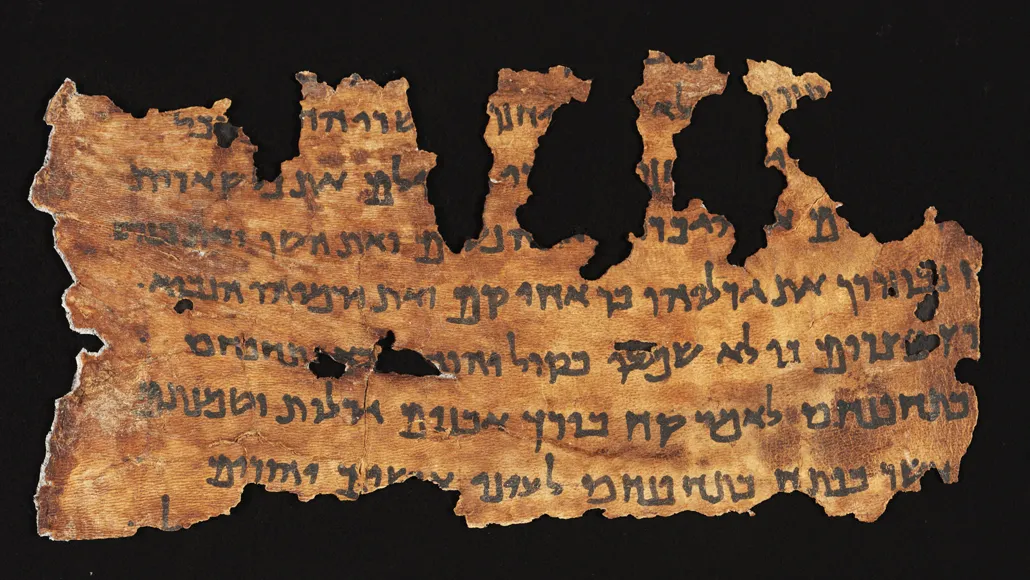
The secrets of the ancient Dead Sea Scrolls are unraveling in a groundbreaking way, as researchers tap into the genetic mysteries hidden within these revered texts. By analyzing animal DNA from the scrolls, scientists are piecing together not only the origins of these manuscripts but also the rich tapestry of beliefs that shaped early Judaism and Christianity.
The scrolls, crafted from sheepskin and cowhide, have preserved DNA that offers a fresh perspective on their historical context. A team led by molecular biologist Oded Rechavi from Tel Aviv University has embarked on an innovative journey, examining over 25,000 fragments to determine which pieces belong together and where they originated. Their findings, published in the journal Cell, reveal a complex network of religious thought that extended far beyond the confines of the Qumran caves, where many scrolls were discovered.

Dating back to between the third century B.C. and the first century A.D., the Dead Sea Scrolls emerged during a pivotal period known as the late Second Temple era. This era was crucial for the evolution of Judaism and the early foundations of Christianity. Noam Mizrahi, a Biblical scholar and coauthor of the study, emphasizes that the results underscore the diversity within Second Temple Judaism, which laid the groundwork for early Christian beliefs.
Comprising around 1,000 ancient manuscripts, the Dead Sea Scrolls include the earliest known texts of the Hebrew Bible alongside various religious, legal, and philosophical writings. Most of these fragments were unearthed between 1947 and the 1960s, primarily from 11 caves near Qumran in the Judean desert.
Traditionally, scholars have theorized that the scrolls reflected the ideologies of a small Jewish sect that distanced itself from mainstream Judaism. However, the latest DNA evidence suggests that the ideas encapsulated in these documents were more widespread, hinting at a broader exchange of beliefs across the region.
Rechavi’s team extracted DNA from tiny fragments that had either fallen off or been removed from 26 scroll pieces, all of which were devoid of any writing. After eliminating traces of human DNA, they identified the animal DNA used in the creation of these ancient parchments. While most fragments were made from sheepskin, two were crafted from cowhide, hinting at their origins from different locations.

By comparing mitochondrial and nuclear DNA, the researchers could establish familial connections among the sheep that contributed to the scrolls. They posited that fragments from closely related sheep were likely sourced from the same manuscript, lending credence to the idea of a distinct Qumran scribal tradition. Remarkably, seven out of eight fragments previously categorized under this tradition came from closely related sheep, supporting the notion that these manuscripts originated from a singular location.
The study also uncovered fascinating insights regarding the book of Jeremiah. Four fragments linked to this biblical text were found to belong to two different versions, with two sheepskin fragments and two cowhide fragments indicating separate origins. Given the arid conditions of the Judean desert, the cowhide scrolls must have been produced elsewhere, suggesting a complex network of production and distribution.
Additionally, the research revealed that a non-biblical text known as the Songs of the Sabbath Sacrifice was not confined to Qumran. Fragments from three copies of this text discovered in two Qumran caves came from closely related sheep, while a separate fragment found at Masada, about 55 kilometers away, belonged to a genetically distinct lineage, indicating that others were also creating their own versions of this important work.
The implications of these findings extend beyond mere historical curiosity. A fragment of the biblical book of Isaiah, with its unique sheep DNA, hints at origins outside Qumran, yet to be pinpointed. What other secrets lie hidden within the pages of the Dead Sea Scrolls, waiting to be uncovered?


