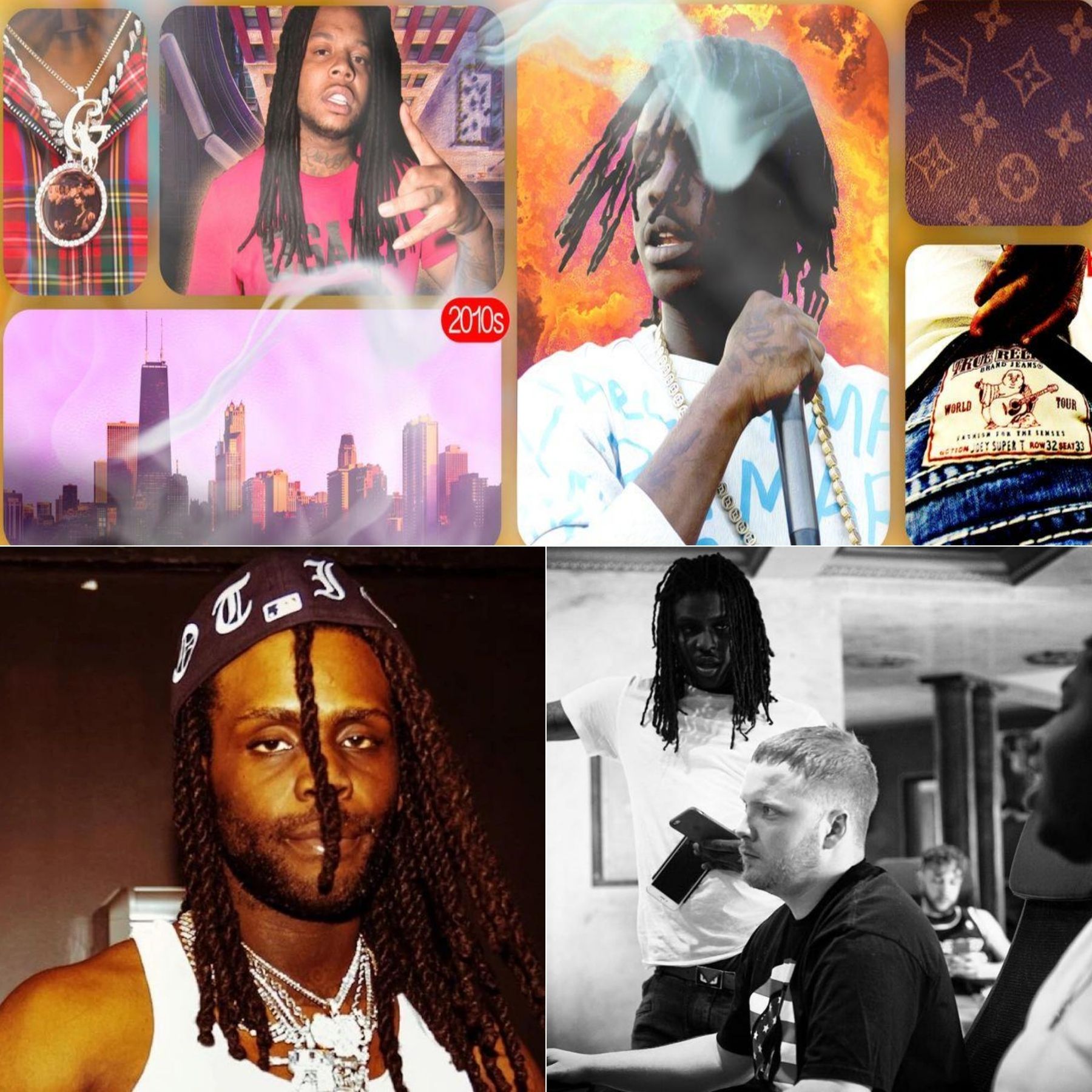
When Chief Keef exploded onto the hip-hop scene as a teenager, many fans saw him as the raw voice of Chicago’s violent South Side streets. With his emotionless delivery, dark drill beats, and aggressive lyrics, the young rapper quickly became one of the most talked-about artists in America. But alongside the fame came years of arrests, court appearances, gang allegations, and nonstop controversy that followed him from his teenage years into adulthood.
Born Keith Cozart in Chicago, Chief Keef grew up surrounded by poverty, gang activity, and violence. By his early teens, he had already developed a reputation in local neighborhoods and online rap communities. His music videos, often filmed with large groups of teenagers displaying hand signs and weapons, spread rapidly across YouTube during the rise of social media.
His breakout moment came in 2012 with the viral hit I Don’t Like. The song became a street anthem and eventually caught the attention of major artists including Kanye West, who released a remix featuring several rap stars. Suddenly, Chief Keef transformed from a local Chicago teenager into one of the biggest names in rap almost overnight.

However, fame did not separate him from legal trouble. Around the same time his music career exploded, Chief Keef faced multiple run-ins with law enforcement. He dealt with juvenile weapons charges, probation violations, and allegations connected to gang activity. Authorities and politicians increasingly pointed to drill music as a factor contributing to violence in Chicago neighborhoods.
One of the biggest controversies came when Chief Keef was criticized for social media behavior while under court supervision. Judges reportedly viewed some of his online activity as disrespectful and irresponsible, particularly because he was already facing legal restrictions. He was later sentenced to periods of juvenile detention connected to probation violations.
As his fame grew, so did public concern over the violent imagery associated with drill rap. Critics accused Chief Keef and similar artists of glorifying gang culture, firearms, and retaliation killings. Supporters strongly disagreed, arguing that drill music simply reflected the brutal realities many young people experienced in parts of Chicago every day.

The rapper’s personal life continued generating headlines throughout the 2010s. He faced lawsuits, traffic incidents, allegations of assault, and ongoing police scrutiny. Concerts were sometimes canceled because authorities feared violence could erupt at his events. In several cities, law enforcement publicly warned venues against hosting drill artists connected to Chicago street conflicts.
Chief Keef eventually relocated away from Chicago, spending significant time in Los Angeles. Even after leaving his hometown, controversy still followed him. Online feuds with rival rappers, social media arguments, and legal disputes kept his name in headlines. Yet despite the chaos, his musical influence only became stronger.
Many younger artists began openly crediting Chief Keef as one of the founding figures of modern drill music. His style helped inspire rap scenes not only in Chicago but also in places like New York and even the United Kingdom, where UK drill became a major genre. Artists admired his independence, internet marketing style, and refusal to follow traditional music industry rules.
At the same time, Chief Keef’s story became a symbol of how quickly fame and danger can collide for young rappers emerging from violent neighborhoods. Some observers argued that the music industry profited from the chaos surrounding drill artists without addressing the deeper social issues behind the violence. Others believed the controversy surrounding Chief Keef reflected broader fears about youth culture, social media, and street gangs in modern America.


Today, Chief Keef remains one of the most influential and controversial figures in modern hip-hop. To fans, he is a rap pioneer who transformed the sound of street music forever. To critics, he represents the dangerous overlap between fame, violence, and gang culture that defined much of the drill music era. Either way, his turbulent journey from troubled Chicago teenager to internationally recognized rap star remains one of the most dramatic stories in contemporary hip-hop history.