Texas authorities are moving forward with the execution of Darlie Routier, convicted nearly 28 years ago for the stabbing deaths of her two young sons. At 55, Routier remains on death row, as DNA testing and legal appeals continue to unfold amid decades of controversy surrounding the case’s evidence and narrative.
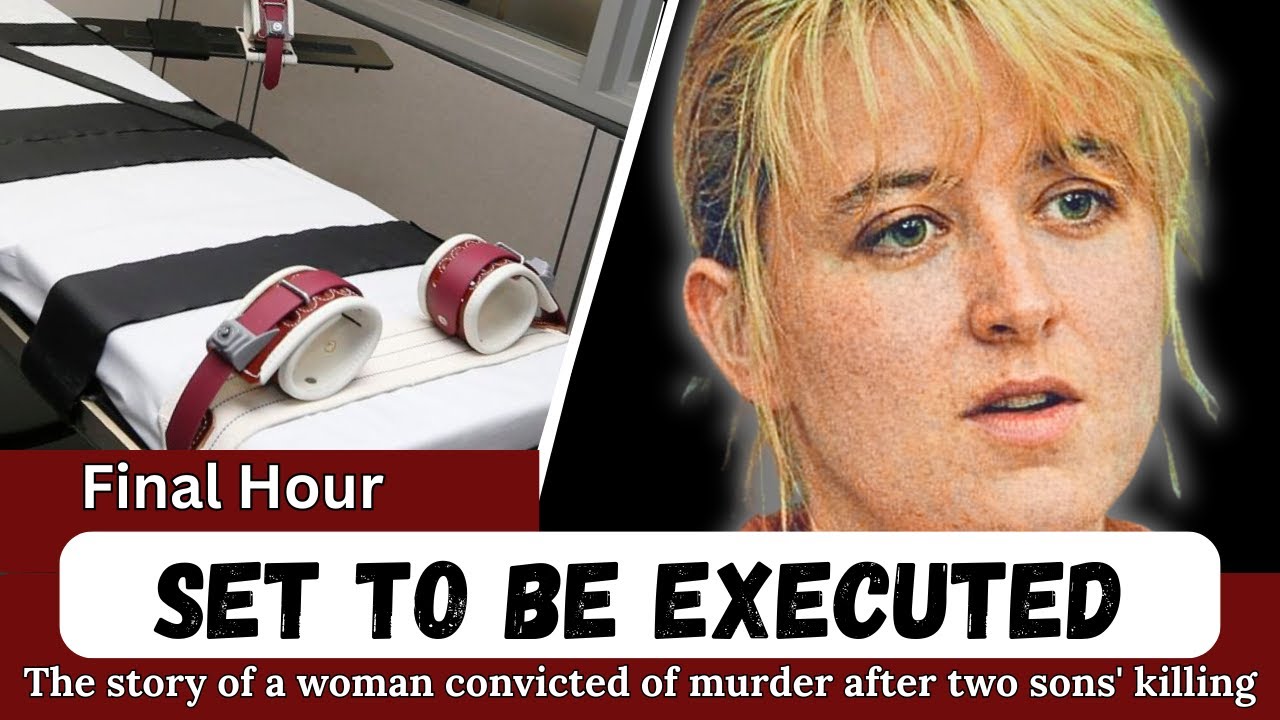 In the early hours of June 6, 1996, a chilling 911 call from Routier marked the start of a complex investigation. Two of her sons were found stabbed in their home, with one already dead and the other dying despite emergency efforts. Routed through a high-profile trial, Routier was convicted of capital murder in a case that has since sparked relentless debate.
Evidence presented at trial included forensic findings, a bloody knife, and interrogation of Routier’s behavior, especially a broadcasted video showing her at her sons’ graves days after the tragedy. The video, showing Routier smiling and spraying silly string, became a pivotal image that prosecutors argued indicated guilt rather than grief.
Despite the prosecution’s assertions of a staged crime scene and financial motives, many facets of the case remain unresolved. Unexplained blood patterns, unidentified fingerprints, and crucial evidence like a bloody sock found far from the home cast doubt on the official narrative. DNA testing on key items has been delayed repeatedly over the past 16 years.
Routier’s defense has long argued that she was the victim of a flawed investigation and media sensationalism. Psychological experts testified to her postpartum depression and the legitimacy of her intruder narrative. Her contentious decision to testify proved damaging, yet questions about the thoroughness of evidence examination persist.
Financial struggles plagued the Routier family before the killings, with mounting debts and a denied loan application. But the prosecution’s theory of murder for money faces contradictions, not least because a more lucrative life insurance policy existed on Routier’s husband, who was left unharmed, and their youngest son survived the attack.

Routier’s appeals highlight numerous procedural and transcription errors during her trial. Defense attorneys have fought a shadow of conflict of interest claims and flawed court records, yet appellate courts have consistently upheld her conviction. Meanwhile, new DNA orders in 2024 promise to reexamine decades-old physical evidence, and results are anxiously awaited.
The community remains divided, with supporters calling Routier’s conviction a miscarriage of justice fueled by an infamous video and circumstantial evidence. Critics insist the case is clear-cut, pointing to blood spatter experts and staged scenes. Routier herself maintains innocence, never ceasing to proclaim it despite her looming execution sentence.
Her surviving son, now 30, has only met her through prison glass throughout his life. Rutier’s ex-husband continues to advocate for her, bearing tattoos of their sons and her image, all while the legal battle to prove innocence or guilt limps on. The state’s lethal injection plan waits in the balance.
As the Texas courts push forward, the case of Darlie Routier reignites contentious debates about justice, media influence, and the death penalty. It exposes profound questions about forensic science and due process that remain unresolved almost three decades later, with DNA test results hanging in limbo.
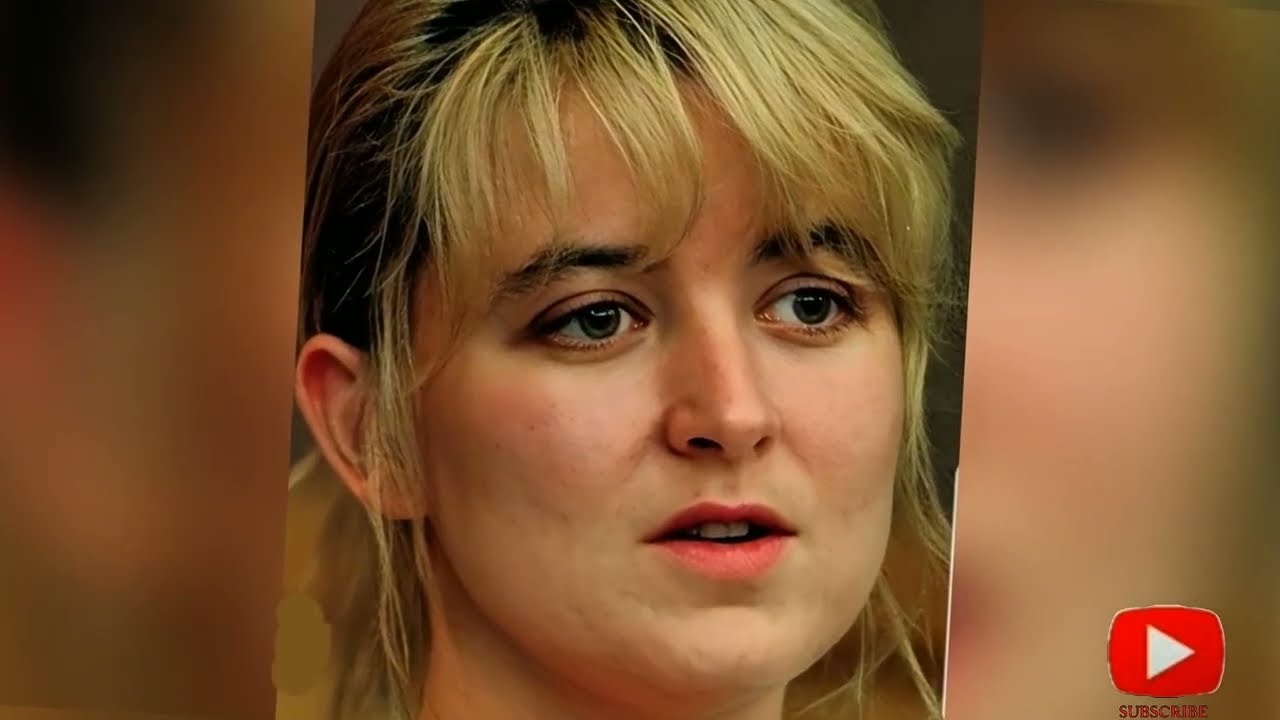
The Routers’ tragic story, marked by loss and suspicion, illustrates the complexity of capital cases where evidence conflicts sharply and public opinion is polarized. Darlie Routier’s fate symbolizes a broader crisis in the criminal justice system—how certainty can be elusive when lives and laws collide in the spotlight.
With no execution date set, the final chapter of Routier’s story hinges on DNA answers still pending from a lab. Until then, the controversy endures, dragging along questions about guilt, innocence, and the very definition of justice. Darlie Routier remains a figure 𝒄𝒂𝓊𝓰𝒉𝓉 between legal finality and ongoing doubt.
This case serves as a haunting reminder that decades-old crimes may never fully surrender their secrets, and that in the quest for truth, time both reveals and obscures. Texas prepares to advance with the execution process while awaiting results that could reshape the narrative yet again.
The state’s move forward underscores the urgent and unresolved nature of capital punishment cases entangled in forensic uncertainty. Advocacy groups, family members, and the public watch closely, knowing that behind the headlines, a mother’s fate and a family’s legacy hang precariously in the balance.

In the meantime, the relentless media coverage continues to fuel public scrutiny. The “silly string video” that propelled Routier’s conviction remains a stark symbol of the case’s complexity—mocking the simplicity of judicial verdicts when human grief, behavior, and evidence collide turbulently.
The Routier case challenges legal systems and societal perspectives alike, embodying the tragic intersection of loss, suspicion, and justice pursued under the harshest of penalties. As time ticks down, the critical question remains: will new evidence rewrite the narrative, or will Texas move forward with an execution shadowed by doubt?
Darlie Routier’s story has become emblematic of the controversial death penalty process in America, where media, forensic science, and human emotion intertwine with lethal consequences. The unfolding developments in Texas will be watched closely across the nation for their implications on justice and capital punishment.
Ultimately, this case compels a reckoning with how evidence is weighed, how narratives are shaped, and how irrevocable decisions are made. Texas’s actions now reflect not just on one convicted mother, but on the integrity and fallibility of the entire criminal justice system in complex, contested capital murder cases.
https://www.youtube.com/embed/UD-kyJaTOFQ