Boosie finds himself at the epicenter of controversy after firmly banning trans people from attending his private topless pool party, igniting fierce backlash across social media and the public sphere. His unapologetic stance on preserving the exclusivity of his event has sparked a heated debate on personal rights, inclusion, and boundaries.
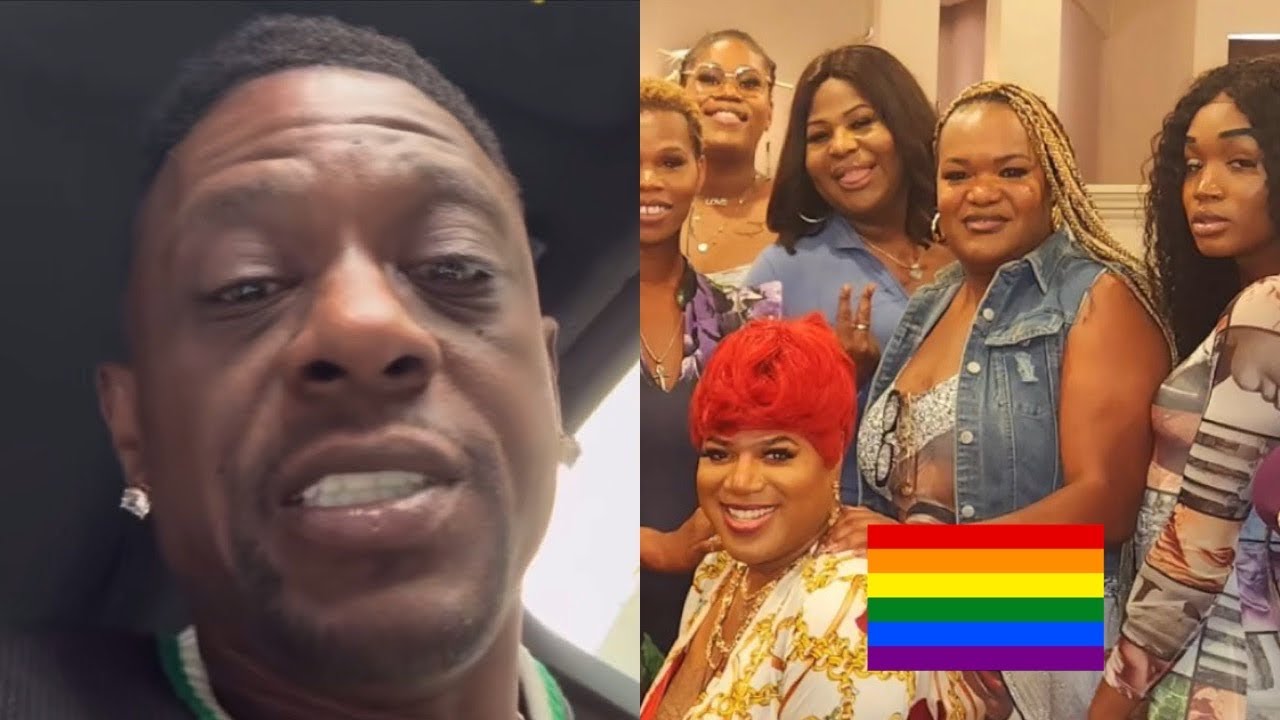 In a recent video statement, Boosie addressed the escalating uproar about his party’s guest policy, comparing his rules to common establishment regulations like dress codes or bag restrictions. “When you own something, you have a right to set the rules,” he insisted, underscoring his authority over the event space.
Boosie explained that the party caters to a specific crowd—professional athletes, entertainers, and close associates—and the environment is curated to reflect that. His refusal to allow transgender guests stems from a desire to maintain the atmosphere he envisions, rejecting what he perceives as external pressures to conform.
The rapper also took issue with what he sees as a one-sided fight for rights, questioning why straight rights haven’t been equally championed. “You can’t even go against [gay rights] without being offensive,” he asserted, highlighting a frustration with modern social dynamics and perceived limitations on freedom of expression.
Critics immediately condemned Boosie’s stance as exclusionary and discriminatory, accusing him of spreading intolerance. Social media exploded with calls to boycott the party and calls for accountability, reflecting a stark divide between supporters of free association and advocates for inclusivity.
 While some athletes and public figures have supported Boosie’s right to dictate guest policies, others, including NFL veterans, have openly disagreed, further intensifying the dialogue surrounding gender identity and safe spaces in entertainment venues.
The controversy follows Boosie’s previous remarks criticizing Caleb Williams for painting his nails and questioning the evolving norms in sports culture. This pattern of commentary has painted him as a polarizing figure unwilling to embrace changing societal values on gender and identity.
Supporters argue Boosie’s party is a private event catering to a specific lifestyle and community, comparable to gender-segregated spaces or events with strict dress codes. They contend that forcing inclusion undermines the event’s nature and disrespects the host’s rights.
Opponents assert that such exclusion reinforces harmful stigma against transgender individuals, limiting access to social spaces and perpetuating discrimination under the guise of personal choice. They emphasize the importance of inclusivity and respect for diverse identities in all settings.
The backlash against Boosie reflects a broader cultural clash in America today, where evolving notions of identity, freedom, and privacy challenge each other. This incident exposes the fault lines in how society negotiates personal rights versus collective acceptance.
Boosie doubled down in his messaging, accusing some critics of hypocrisy and suggesting that certain individuals are motivated by financial incentives to defend progressive ideals. This claim added fuel to an already volatile situation among fans and detractors alike.
As the conversation rages, Boosie’s party remains slated, but the mounting pressure raises questions about hosting events rooted in exclusion during a time demanding empathy and understanding for marginalized communities.
 Legal experts say private hosts typically have broad discretion over guest lists, but when exclusion intersects with protected identities, public backlash and reputational harm often follow. This controversy could foreshadow future challenges in balancing private rights and social responsibility.
Meanwhile, discussions continue across platforms, with prominent commentators dissecting the implications for freedom of speech, corporate endorsement, and cultural acceptance in the rapidly evolving landscape of identity politics.
Boosie’s uncompromising stance on the matter is a stark reminder that the collision between personal freedoms and social inclusivity is intensifying, demanding nuanced conversations from all sides to find common ground or respect boundaries.
The debate surrounding this party and Boosie’s statements is yet another flashpoint in a nation wrestling with identity, rights, and community boundaries, promising that the conversation will endure well beyond the event itself.
For now, Boosie remains defiant, vowing to protect his establishment’s sanctity on his own terms, while society watches closely to see where this controversy leads in the ongoing cultural battle over identity and inclusion.
https://www.youtube.com/embed/-66UtH0AE4g