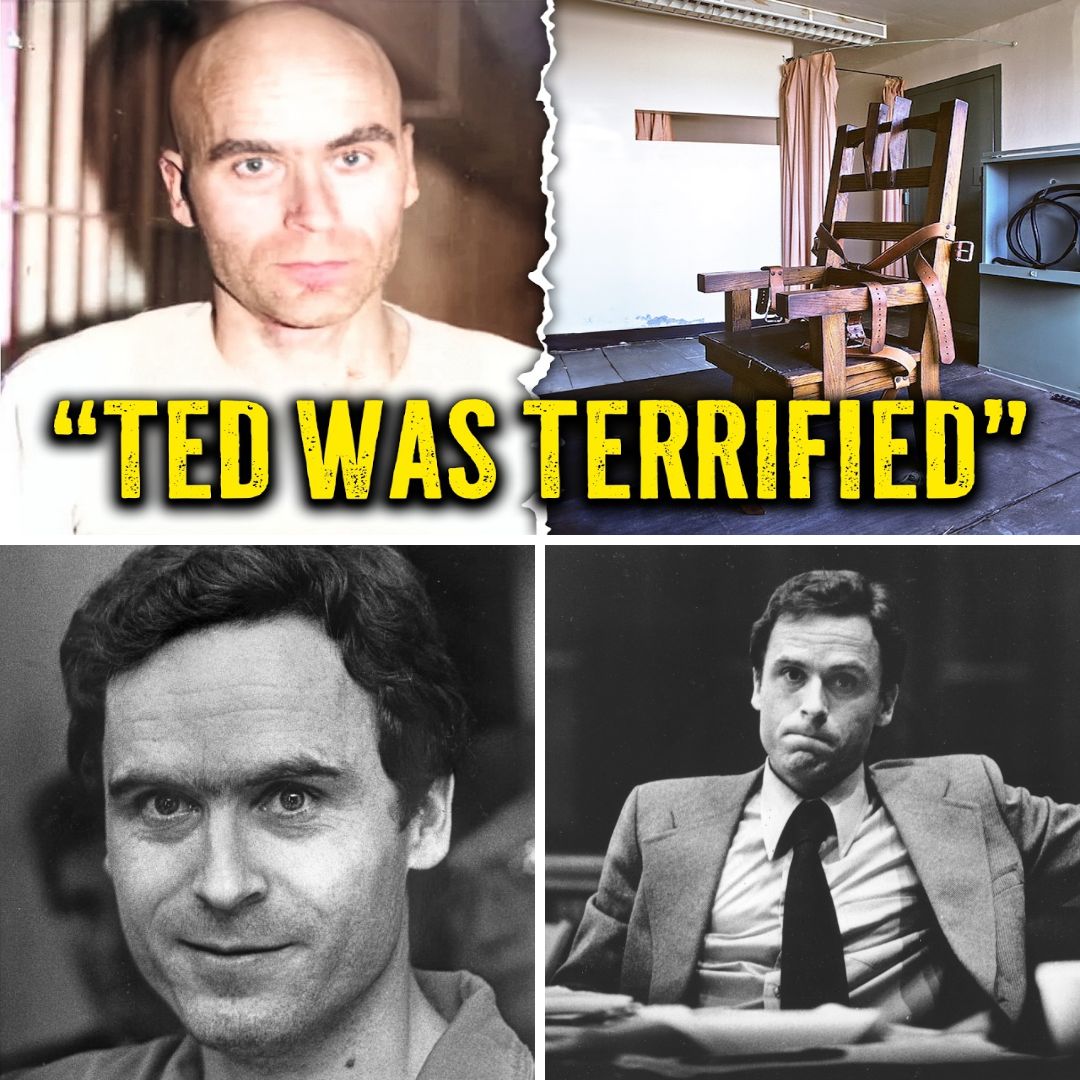
On January 24, 1989, one of America’s most notorious serial killers, Theodore Robert Bundy, was executed in the electric chair at Florida State Prison. Convicted of multiple murders and suspected in dozens more across several states, Bundy’s death brought a sense of closure to a nation horrified by his crimes. Yet the final 24 hours of his life, marked by desperate legal maneuvers, family visits, a last interview, and visible fear, revealed a far more human — and unsettling — side to the man who had spent years manipulating the justice system and his victims.
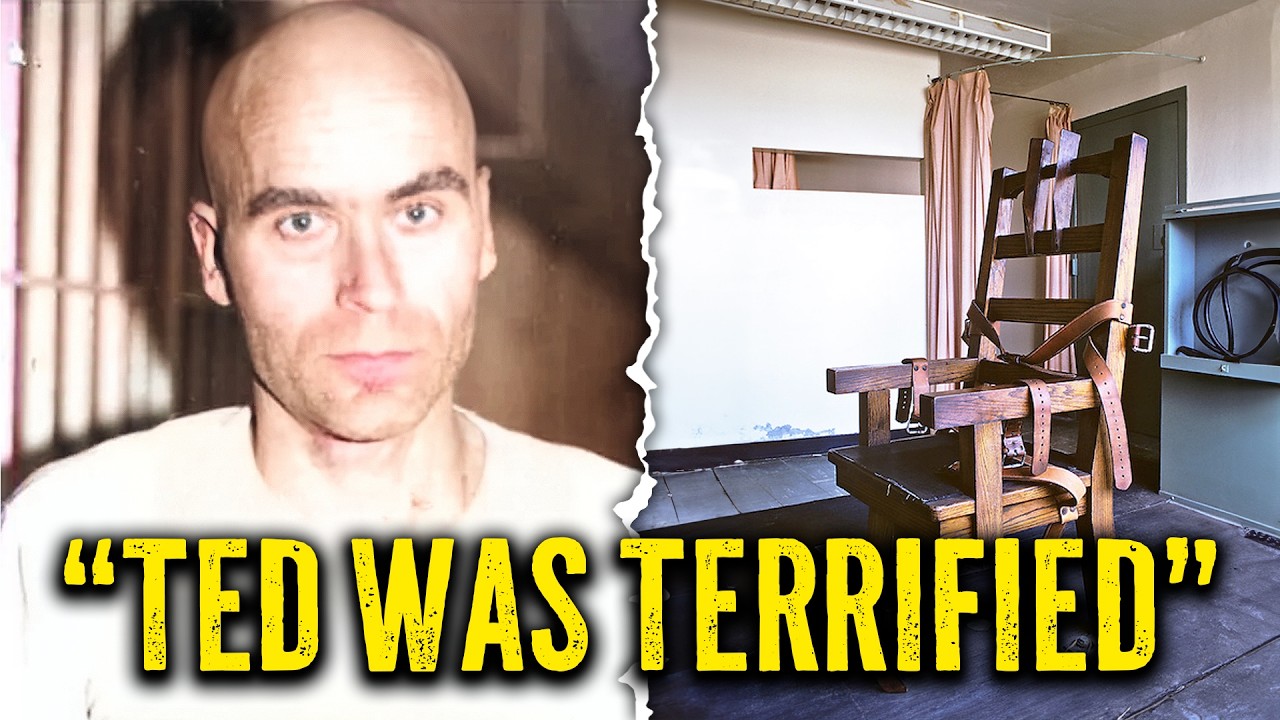
This reconstruction of Bundy’s last day draws from eyewitness accounts, prison records, and contemporary reporting, offering insight into the final moments of a killer who once boasted of being “the most cold-hearted son of a bitch you’ll ever meet.”
The Morning of January 23: Dawn of the End
Bundy awoke early on what would be his final full day. The cold, windowless cell on death row at Florida State Prison had been his home for years, but on this morning, the atmosphere felt heavier. The clock ticked relentlessly toward his scheduled execution. He began with a routine cup of coffee, though its bitterness mirrored the grim reality closing in around him.

By 8:00 a.m., his legal team, led by attorneys Polly Nelson and Jim Coleman, launched a flurry of last-minute appeals in state and federal courts. They argued mental incompetence and sought stays, leveraging every procedural avenue. As a former law student who had represented himself in court, Bundy understood the system intimately — yet now he was powerless. One by one, the appeals were denied. With each rejection, the walls seemed to close in tighter.
Final Visits and Spiritual Reflection
Around 1:00 p.m., Bundy received a brief but emotionally charged visit from his mother, Louise Bundy. For years, she had clung to her son’s innocence despite overwhelming evidence. Their meeting was subdued — no dramatic goodbyes, just a painful acknowledgment of the inevitable. Louise left in tears, the weight of her son’s crimes and impending death finally breaking her resolve.
Later that afternoon, Bundy met with his spiritual advisor, Reverend Fred Lawrence. In his final years, Bundy had turned toward religion, possibly seeking redemption or a final act of manipulation. The private conversation offered what little comfort the circumstances allowed. Around 3:00 p.m., he participated in a notable interview with psychologist and evangelical Christian James Dobson. In it, Bundy blamed pornography for fueling his violent impulses and expressed a degree of remorse. Many observers, however, viewed his words as calculated — another attempt to shape his legacy.
The Last Meal and Growing Tension
As evening approached, Bundy was offered his final meal. Unlike many inmates who request elaborate feasts, he declined a special order and was served a standard prison meal: steak cooked medium-rare, eggs over easy, toast with butter and jelly, milk, and juice. He barely touched it. Anxiety, fear, or resignation had robbed him of any appetite.

Outside the prison, a crowd gathered. While some protested the execution, many celebrated what they saw as long-overdue justice. Chants, fireworks, and signs reading variations of “Burn, Bundy, Burn” created a circus-like atmosphere. Inside, Bundy met again with his attorney and the chaplain. Witnesses later described him as increasingly panicked, his legendary bravado crumbling as the hours slipped away. Sleep eluded him through the night.
Execution Morning: The Walk to Old Sparky
At approximately 6:00 a.m. on January 24, Bundy was awakened and prepared. He showered, dressed in clean clothes, and declined a sedative, choosing to face the end fully alert. Guards escorted him through the corridors to the execution chamber. Though he tried to maintain composure, those present noted palpable fear.
Strapped into “Old Sparky,” the electric chair, with his head and right leg shaved for the electrodes, Bundy faced 42 witnesses, including journalists, officials, and some victims’ family members. When asked for final words, he looked toward his attorney Jim Coleman and Reverend Fred Lawrence and said: “Jim and Fred, I’d like you to give my love to my family and friends.”
At around 7:06 a.m., the switch was thrown. Two thousand volts surged through his body. After the process, he was pronounced dead at 7:16 a.m.
Legacy and Lingering Questions
Outside, the crowd erupted in celebration. Bundy’s body was later cremated, with his ashes reportedly scattered in the Cascade Mountains — a place linked to many of his crimes. There was no public funeral.
Bundy’s final 24 hours humanized a monster in ways that disturbed many. The man who had charmed, deceived, and destroyed lives showed moments of vulnerability, fear, and attempted redemption. Yet for the families of his estimated 30+ victims, these details offered little solace. His execution was seen as justice, however imperfect, for crimes that had terrorized the nation in the 1970s.
The case continues to fascinate and horrify, raising questions about the death penalty, the nature of evil, and whether true remorse is possible for someone like Bundy. In his last day, the master manipulator confronted the one force he could not evade: accountability.


