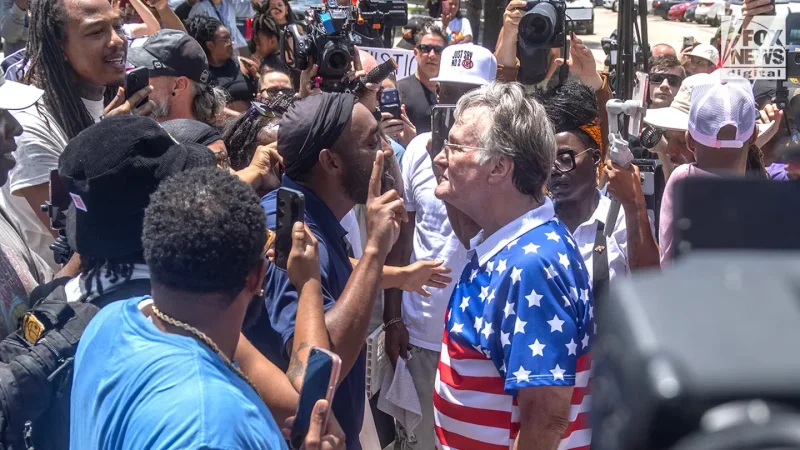
Claudia Chacón y Alba Paul protagonizan un duro enfrentamiento en la gala de Supervivientes 2026


Madrid, junio de 2026 – La gala de Supervivientes 2026 dejó más tensión de la esperada. Aunque la expulsión de Aratz era uno de los puntos principales de la noche, la verdadera atención se la llevaron Claudia Chacón y Alba Paul, quienes protagonizaron un fuerte cruce de acusaciones en directo.El último cara a cara entre Alba Paul y Claudia en 'Supervivientes': “No  tengo nada que hablar ni contigo ni con tu madre”

Lo que comenzó como un debate sobre las dinámicas del concurso terminó convirtiéndose en un enfrentamiento personal. Ambas concursantes sacaron a relucir reproches acumulados durante las semanas de convivencia en Honduras. Frases como “Siempre has buscado bulla” encendieron aún más los ánimos y dejaron claro que las diferencias entre ellas son profundas.

Los presentadores intentaron reconducir la conversación, pero el nivel de intensidad emocional hizo que el momento se volviera viral en cuestión de minutos. En redes sociales, miles de seguidores tomaron partido de inmediato, creando dos bandos bien definidos.

Este incidente pone de manifiesto la enorme presión que viven los concursantes en las últimaEl último cara a cara entre Alba Paul y Claudia en 'Supervivientes': “No  tengo nada que hablar ni contigo ni con tu madre”s semanas del reality. Después de casi 100 días de convivencia extrema, las emociones están a flor de piel y cualquier comentario puede desencadenar un conflicto de gran magnitud.

Fuentes cercanas al programa indican que la rivalidad entre Claudia y Alba Paul no es nueva, pero nunca había llegado a un punto tan visible y explícito delante de las cámaras. Este enfrentamiento podría influir en el ambiente de la final y en la percepción del público hacia ambas concursantes.

Mientras algunos espectadores celebran que se muestren “auténticas”, otros lamentan que los conflictos personales eclipsen el aspecto deportivo y de superación del concurso.

Lo ocurrido en la gala confirma que, aunque queda poco para la final, Supervivientes 2026 sigue siendo una de las ediciones más cargadas de emoción, tensión y drama de los últimos años.

Supervivientes: El tenso desencuentro entre Alba Paul y Claudia Chacón: "No  tengo nada que hablar ni contigo ni con tu madre" Video | Mediaset Infinity

8 June 2026

Sheriff candidate will not face murder charge after killing daughter’s accused abuser

LONOKE COUNTY, Arkansas — A high-profile murder case that captured national attention has come to a sudden and dramatic end.
On Thursday, a judge dismissed all second-degree murder charges against Aaron Spencer, a U.S. Army veteran and the Republican nominee for Lonoke County Sheriff. Spencer had been accused of shooting and killing 67-year-old Michael Fosler in October 2024.Arkansas man accused of killing daughter's alleged abuser wins GOP sheriff's  nomination
According to court documents and statements from Spencer’s legal team, the incident occurred after Spencer discovered his then-13-year-old daughter missing from her bedroom. He later found her in the passenger seat of a truck driven by Fosler — a registered sex offender who was already facing dozens of felony charges, including the rape of Spencer’s daughter.
Spencer forced the truck off the road, leading to a confrontation. He admitted to shooting Fosler, stating he acted to protect his child from further harm.
The turning point in the case came when it was revealed that the Lonoke County Sheriff’s Office had lost a critical dashcam memory card from Fosler’s truck. The footage, which could have shown the exact sequence of events during the altercation, was never properly preserved. Judge Ralph Wilson ruled that the loss of this evidence was so egregious that it violated Spencer’s constitutional due process rights, resulting in the complete dismissal of the charges.Arkansas father accused of killing daughter's alleged abuser runs for  sheriff | AP News
Spencer’s attorneys hailed the decision as justice served, while prosecutors expressed disappointment but acknowledged the fatal flaw in their case.
The dismissal allows Spencer to fully focus on his campaign for sheriff. He won the Republican primary earlier this year while awaiting trial, a fact that drew both praise and criticism from across the state.
The case had deeply divided the community. Many viewed Spencer as a protective father who took desperate action to save his daughter. Others argued that no one should take the law into their own hands, regardless of the circumstances.
Fosler’s death occurred while he was out on bond facing serious sexual abuse charges. The loss of the dashcam footage — which authorities admitted should have been secured immediately — became the decisive factor that ended the prosecution.
In a statement following the dismissal, Spencer expressed relief and gratitude to his supporters. His wife described the outcome as “a miracle,” noting the immense stress the family had endured.Arkansas father launches sheriff campaign amid murder trial
The case has sparked renewed conversations about parental rights, failures in the justice system to protect child victims, and the importance of preserving evidence in criminal investigations.
For now, Aaron Spencer is a free man and the Republican candidate for Lonoke County Sheriff. The tragic events of October 2024 have left lasting scars, but for Spencer and his family, Thursday’s ruling represents a hard-fought victory after months of uncertainty.

8 June 2026

Jacksonville man who killed his girlfriend’s 5-month-old baby in 1996 executed 30 years later

This marks the 8th execution this year

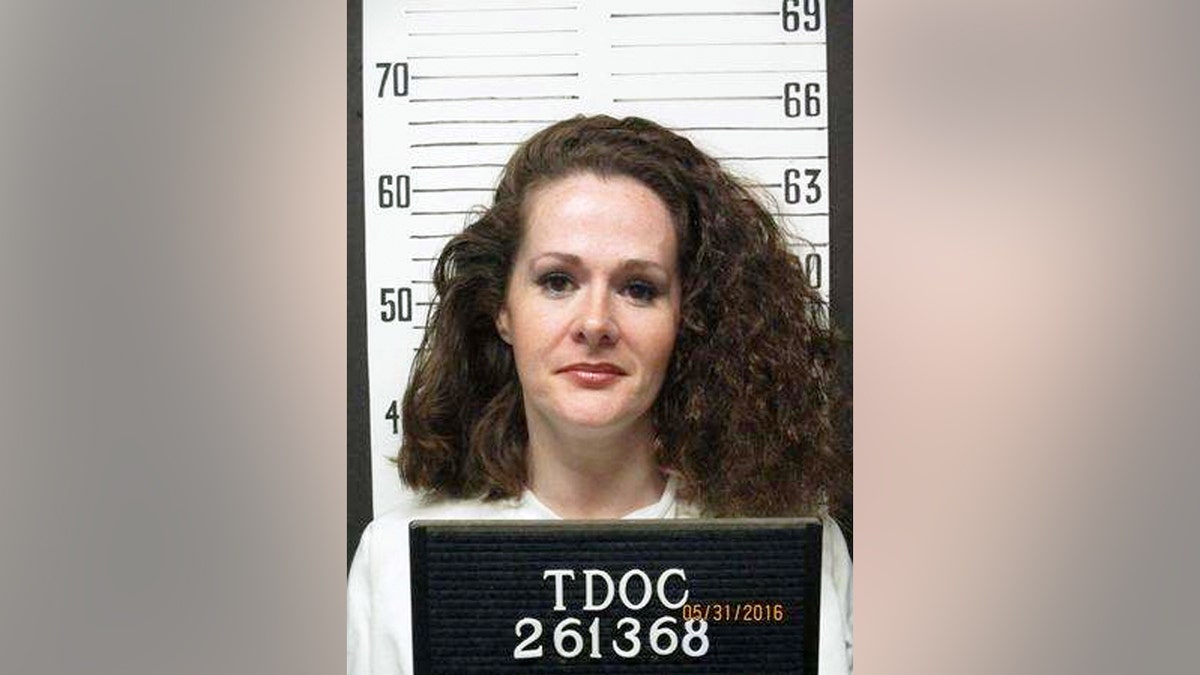
Andrew Lukehart’s Florida Department of Corrections mughot (Curt Anderson, Copyright 2025 The Associated Press. All rights reserved.)

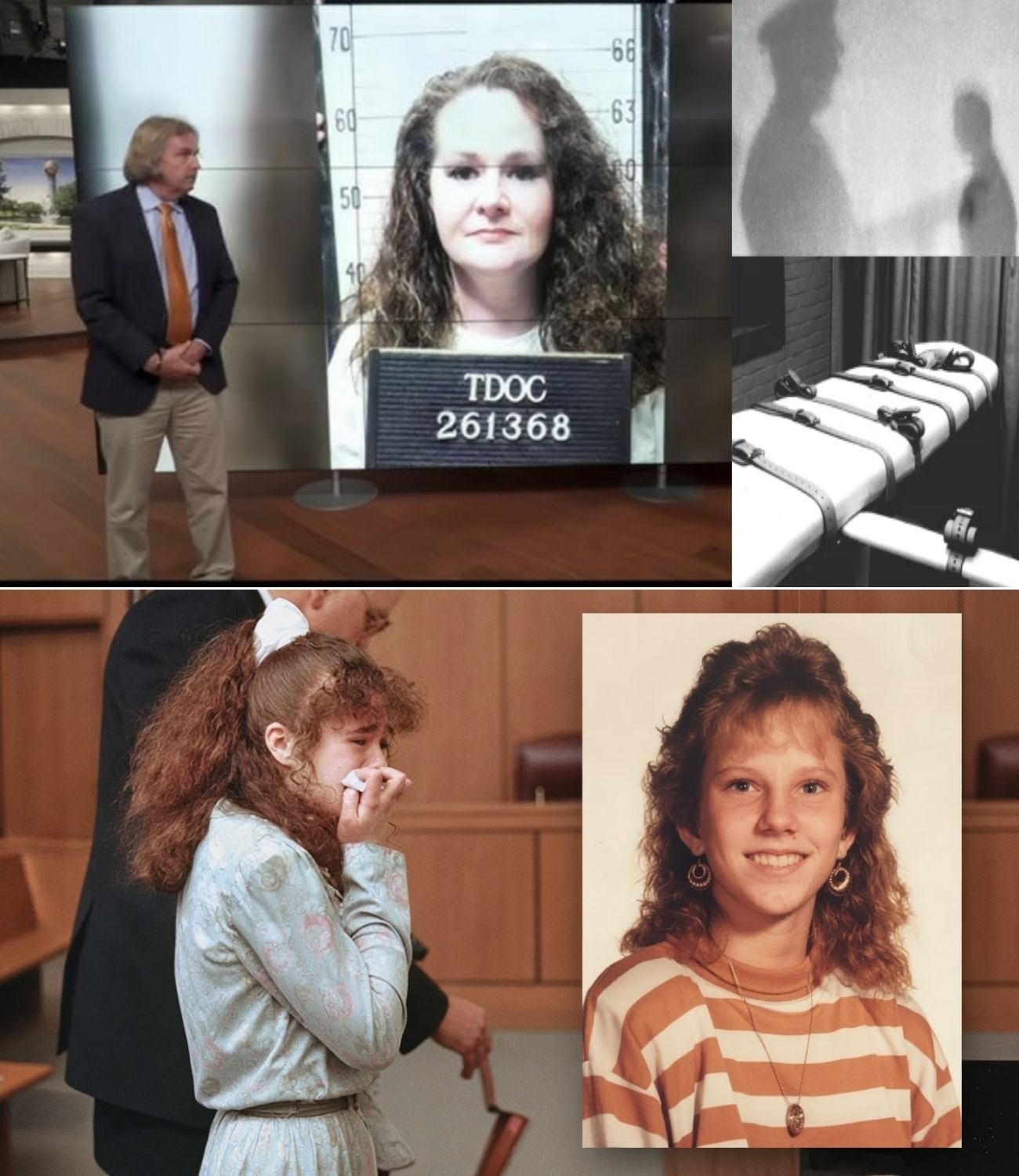
RAIFORD, Fla. – A Jacksonville man who confessed to killing his girlfriend’s 5-month-old daughter and throwing her body in a pond three decades ago was executed on Tuesday evening.

Andrew Richard Lukehart, 53, received a three-drug injection starting at 6 p.m. at Florida State Prison near Starke.

He was sentenced to death after being convicted of aggravated child abuse and felony murder in the death of Gabrielle Hanshaw. The baby’s mother told News4JAX she plans to attend the execution.

Hanshaw’s mother attended the execution but declined to share a statement.

According to court records, Lukehart was watching his girlfriend’s baby in February 1996 while his girlfriend was caring for her older daughter, who had been ill.

The girlfriend said that she heard Lukehart driving away from their Jacksonville home in her car, and then she couldn’t find baby Gabrielle.

Gabrielle Hanshaw was killed at 5 months old in 1996 (WJXT Archives)

Lukehart called his girlfriend about 30 minutes later and told her to call police because the baby had been kidnapped and he was chasing the kidnapper.

Later that evening, Lukehart was found in a neighboring county after driving his car off the road.

During questioning the next day, Lukehart admitted to investigators that the kidnapping story was a lie and that Gabrielle was dead.

He said, at first, that she died after he dropped her on her head and then shook her. He told police that he panicked and threw the baby in a pond.

Law enforcement officers searched the pond and found the child’s body.

Investigators search for 5-month-old Gabrielle Hanshaw (WJXT Archives)

The medical examiner said Gabrielle had suffered five blows to the head, including two that caused skull fractures.

In his final appeals, Lukehart’s attorneys claimed that the medication he was taking for kidney disease could have a negative reaction with the lethal injection drugs. They also argued that having only a month between the signing of Lukehart’s death warrant and the execution deprived him of his due process.

The Florida Supreme Court denied those appeals last week, and the U.S. Supreme Court denied Lukehart’s final appeal on Monday.

Protestors on site

People who were against Lukehart’s execution gathered on Tuesday to protest his death. In a statement after Lukehart’s death, the group, Floridians for Alternatives to the Death Penalty, emphasized the lasting grief that Hanshaw’s family would experience while criticizing the death penalty.

Protestors outside Florida State Prison in Raiford (WJXT)

Tonight, We, the People of the State of Florida, executed Andrew Lukehart. His murder of five-month-old Gabrielle Hanshaw was horrific, and it remains an open wound for her family and loved ones. Indeed, the loss of a child is always tragic. We mourn for Gabrielle, and we lament the circumstances that led to her death.

Today, news stories will recount the facts of Gabrielle’s death in graphic detail. They will explain how she died and how Andrew killed her. But those facts are not suddenly more important today than they were yesterday. Andrew has been incarcerated for nearly three decades. Had he received a life sentence rather than a death sentence, there would be no statewide media coverage, no breaking news alerts, and no public debate about whether he deserved to live or die. He would have remained in prison until his natural death, largely forgotten by the public.

Gabrielle’s family could have spent the intervening years cherishing who she was, how much she was loved, and who she could have been. Instead, Andrew’s death sentence has repeatedly dragged them back to the tragedy that took her life. This is just one of the many cruelties of the death penalty.

It is impossible to meaningfully talk about Gabrielle’s death without also talking about the life of Andrew Lukehart. Andrew’s own life had been shaped by years of violence, abuse, neglect, and disregard for his humanity. Recognizing that reality does not diminish the loss of Gabrielle Hanshaw. It helps explain how such a tragedy became possible in the first place.

What Andrew did when he was 22 years old was a tragedy. It was also the act of a profoundly damaged young man who had grown up surrounded by severe physical and sexual abuse, violence, instability, intellectual limitations, and untreated trauma. Long before Gabrielle’s death, Andrew struggled with depression, hopelessness, and a deep sense of worthlessness rooted in the very people who were supposed to love and protect him. His frustrated actions were those of a person who was ill-equipped to manage an infant and incapable of handling the profound responsibility of caring for a child.

Overcome with guilt, despair, and horror at what he had done, he attempted to take his own life by driving his vehicle into a tree. Officers placed him under Florida’s Baker Act. Then, Andrew led law enforcement to Gabrielle’s body and acknowledged responsibility for her death. When the case went to trial, he testified that although he did not intend to kill Gabrielle, he alone was to blame.

During his trial, jurors heard the details of this crime and weighed them against the reality of Andrew’s life leading up to his actions in 1996. Three of them concluded that he could be held accountable and safely housed in prison for the rest of his life. They believed that death was not necessary. Those jurors were right. 

Over the course of his 26 years on death row, Andrew settled into the rhythmic routine of prison life. And, over the past 18 months, he watched as Florida’s pace of executions accelerated and man after man was taken from the wing and executed. When his own death warrant was signed, Andrew turned to the men around him and thanked them for being his friends. He then called his beloved aunt, knowing the news of his impending death would break her heart, and assured her that he was going to be okay.

Andrew formed deep and meaningful relationships with the religious volunteers who walked alongside him during his years on death row. His Catholic faith was a constant source of strength, comfort, and dignity, and the guidance of his spiritual advisors sustained him as he faced the reality of his execution. In his final moments, as the State carried out its sentence, his priest stood beside him, laid hands on him, and prayed.

In this case, the death penalty is equivalent to closing the barn door after the horse has already left. Andrew spent decades in prison. He no longer posed a threat to anyone. Accountability had been achieved. The State of Florida had another option available to it. Instead, another tragedy has been added to a story that already contained far too much suffering.

Statement from Floridians for Alternatives to the Death Penalty

Executions in Florida

This would be Florida’s eighth execution so far this year, following a record 19 executions in 2025. Republican Gov. Ron DeSantis oversaw more executions in a single year in 2025 than any other Florida governor since the death penalty was reinstated in 1976. The previous record was set in 2014 with eight executions.

A total of 47 people were executed in the U.S. in 2025. Florida led the way with a flurry of death warrants signed by DeSantis. Alabama, South Carolina and Texas tied for second with five executions each.

Another execution is planned in Florida later this month. Dusty Ray Spencer, 74, was convicted of fatally stabbing his wife in 1992.

All Florida executions are carried out via lethal injection of a sedative, a paralytic and a drug that stops the heart, according to the Department of Corrections.

8 June 2026

Florida Carries Out Execution of Andrew Richard Lukehart for 1996 Infant Murder

STARKE, Florida — Nearly three decades after one of the most disturbing child murders in Florida history, the state carried out the execution of Andrew Richard Lukehart on Tuesday evening.Jacksonville man who killed his girlfriend's 5-month-old baby in 1996  executed 30 years later

Lukehart, 53, was pronounced dead at 6:19 p.m. following a lethal injection at Florida State Prison. According to witnesses, his final words included a brief apology and the recitation of a Bible verse: “Father, forgive them, for they know not what they do.”

The execution closes a long and painful chapter that began on February 25, 1996. At the time, Lukehart was babysitting his girlfriend’s 5-month-old daughter, Gabrielle Hanshaw, while the mother cared for another sick child. Prosecutors said Lukehart viciously beat the infant, delivering five fatal blows to her head that fractured her skull. He then disposed of her tiny body in a nearby pond.Florida executes man for baby's murder in 1996

When the baby’s mother returned home, Lukehart fabricated a story claiming Gabrielle had been kidnapped. He even pretended to chase the alleged abductor before crashing his car. Responding officers eventually discovered the infant’s body in the pond after Lukehart confessed.Florida executing Jacksonville baby killer Andrew Lukehart |  firstcoastnews.com

Lukehart was convicted of first-degree murder and aggravated child abuse in 1997 and sentenced to death. For nearly 30 years, he remained on death row as his appeals were exhausted.

Florida Governor Ron DeSantis signed the death warrant in early May. The execution marks another step in the state’s aggressive use of capital punishment in 2026.

The case shocked the community not only because of its brutality but because it involved the murder of a helpless infant by someone who was supposed to be caring for her. Gabrielle’s family waited decades for justice.

At a vigil and in statements following the execution, relatives expressed relief that the man responsible for Gabrielle’s death had finally faced the ultimate punishment. “This has been a long time coming,” one family member said. “We hope Gabrielle can finally rest in peace.”

Legal experts note that Lukehart’s case highlights the long timeline many death row inmates face in Florida. His execution comes amid ongoing national debates about the death penalty, its costs, and its effectiveness as a deterrent.

As news of the execution spread, reactions were mixed. Some praised the state for delivering justice, while others continued to question whether capital punishment serves society or simply prolongs suffering for victims’ families.

For the loved ones of little Gabrielle Hanshaw, Tuesday’s events brought a measure of finality after 30 years of grief. The infant, who never had the chance to grow up, has not been forgotten.

Lukehart’s final moments — quoting scripture and offering an apology — left many reflecting on themes of forgiveness, accountability, and the lasting impact of violent crime.

8 June 2026

Murder Charges Dismissed Against Arkansas Sheriff Candidate Who Shot Alleged Abuser of His Daughter

LONOKE COUNTY, Arkansas — A high-profile murder case that captured national attention has come to an abrupt end.Man accused of killing teen daughter’s alleged abuser wins GOP sheriff’s  nomination

On Thursday, Special Circuit Court Judge Ralph Wilson Jr. dismissed all charges against Aaron Spencer, a U.S. Army veteran and the Republican nominee for Lonoke County Sheriff. Spencer had been facing second-degree murder charges for the fatal shooting of 67-year-old Michael Fosler in October 2024.

According to court records, Spencer woke up to find his then-13-year-old daughter missing. He later located her in the passenger seat of a truck driven by Fosler — a man already charged with dozens of felony sex offenses, including the rape of Spencer’s daughter. Spencer forced the truck off the road, leading to a confrontation. He admitted to shooting Fosler, stating he acted to protect his child.

The case took a dramatic turn when it was revealed that the Lonoke County Sheriff’s Office had lost a critical dashcam memory card from Fosler’s truck — evidence that could have shown exactly what happened during the altercation. Judge Wilson ruled the mishandling of this evidence was “egregious” and violated Spencer’s constitutional rights, leading to the full dismissal of the case.

Spencer’s attorneys hailed the decision as a victory for justice, while prosecutors expressed disappointment. Spencer, who won the GOP primary for sheriff while awaiting trial, now moves forward with his campaign unburdened by criminal charges.

The case had divided the community. Many viewed Spencer as a protective father who took desperate action to save his daughter from a registered sex offender. Others argued that taking the law into one’s own hands sets a dangerous precedent.An Arkansas man accused of killing his daughter's alleged abuser wins GOP  sheriff's nomination

Fosler’s death came while he was out on bond facing serious sexual abuse charges involving Spencer’s daughter. The loss of the dashcam footage — which authorities admitted should have been properly preserved — became the fatal flaw in the prosecution’s case.

In a statement after the dismissal, Spencer expressed relief and gratitude. His wife called the outcome “a miracle from God,” noting it spared their daughter from having to testify.

The dismissal has sparked renewed discussions about parental rights, the failures of the justice system in protecting victims of sexual abuse, and the responsibilities of law enforcement in preserving evidence.Judge dismisses murder charge against Lonoke County sheriff candidate Aaron  Spencer | The Arkansas Democrat-Gazette - Arkansas' Best News Source

For now, Aaron Spencer is a free man and the Republican candidate for Lonoke County Sheriff. The tragic events of October 2024 have left permanent scars on multiple families, but for Spencer and his supporters, Thursday’s ruling represents justice finally served.

7 June 2026

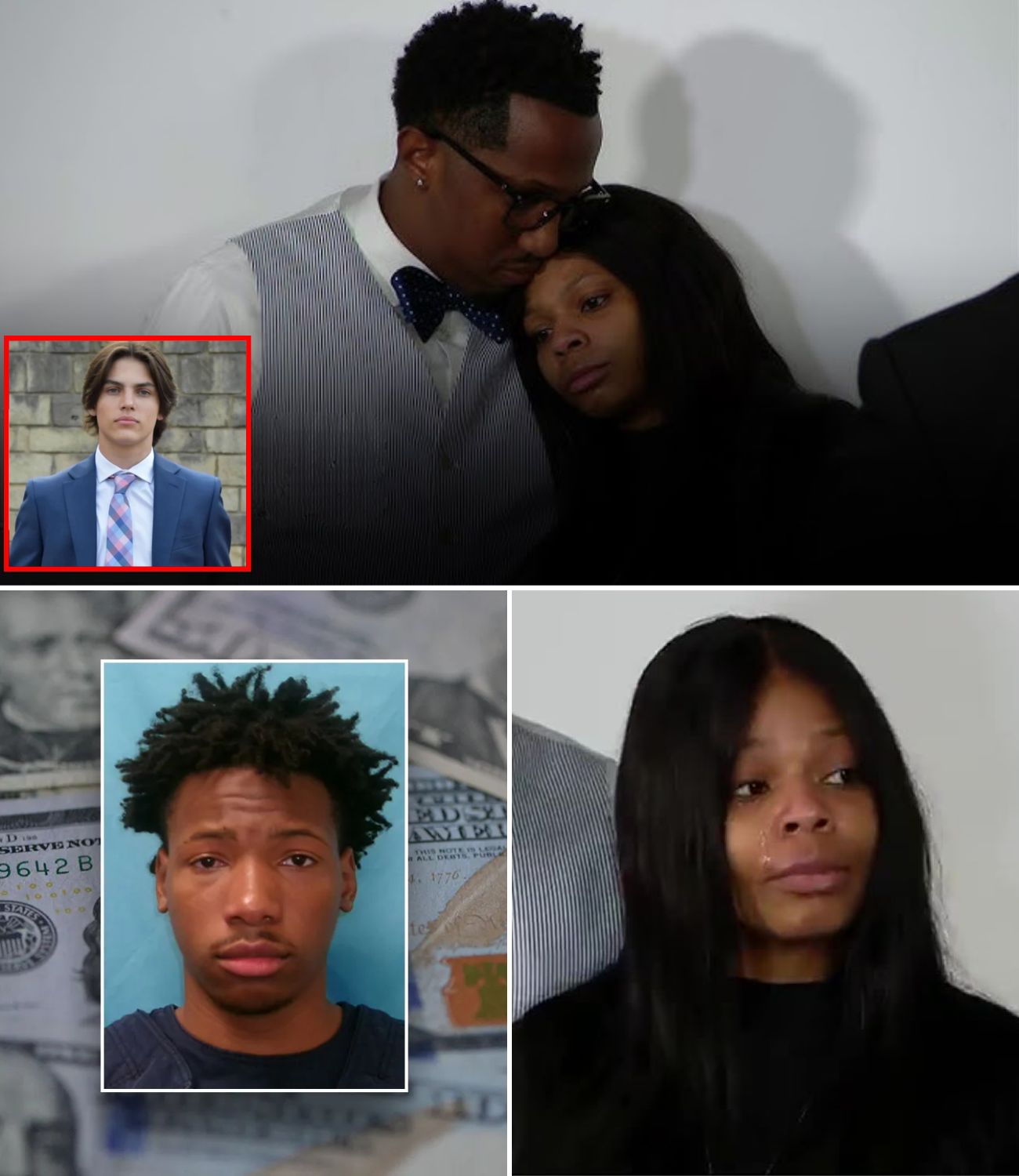
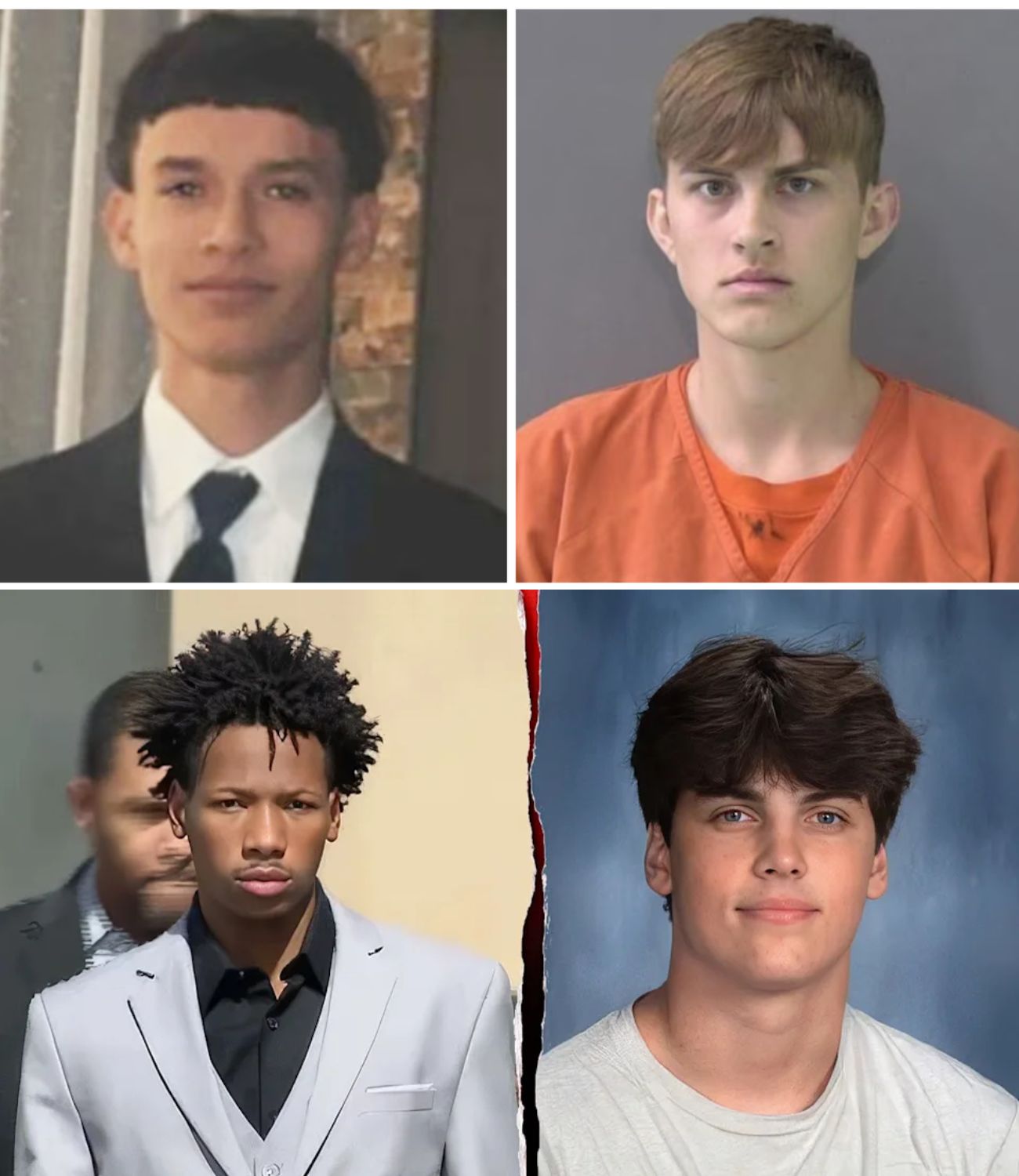
No Black Jurors Selected for Karmelo Anthony Trial, Sparking Fairness Concerns in Racially Charged Case

MCKINNEY, Texas — The high-profile murder trial of Karmelo Anthony has taken a controversial turn after jury selection concluded with an all-white panel, intensifying debates about racial fairness in the Texas justice system.

After days of questioning a large pool of prospective jurors, a 12-person jury and six alternates — none of whom are Black — were seated Wednesday in Collin County Court. The 19-year-old Anthony stands accused of first-degree murder in the fatal stabbing of 17-year-old Austin Metcalf during a track meet in Frisco on April 2, 2025.Karmelo Anthony Trial Begins After Zero Black Jurors Selected From Pool Of  600 Residents - Hot 100.9

Defense attorneys immediately filed a Batson challenge, arguing that prosecutors improperly struck the final three Black women from the jury pool based on race. They claimed these women were treated differently from a white woman in a similar situation. Prosecutors defended the strikes as race-neutral, citing the women’s employment in education and their preference to avoid educators on a jury for a case tied to a school athletic event. The judge agreed with the prosecution and denied the challenge.

The decision has drawn sharp criticism from civil rights advocates and legal observers. In a case already heavy with racial implications — a Black teenager accused of killing a white student-athlete — the absence of any Black representation on the jury has raised serious questions about impartiality and public confidence in the verdict.

Inside the courtroom, Anthony appeared composed in a suit as attorneys questioned potential jurors on topics ranging from self-defense laws to personal experiences with violence. Outside the courthouse, supporters of Anthony gathered, some chanting slogans and holding signs calling for justice, while others stood quietly in support of Metcalf’s family.

The fatal incident occurred in front of numerous witnesses at a school-sanctioned track meet. Prosecutors argue Anthony was the aggressor who escalated a verbal dispute into deadly violence. The defense maintains Anthony reasonably feared for his safety and acted in self-defense.Karmelo Anthony murder trial: None on jury are Black

Legal experts note that while the Constitution does not require a jury to reflect the defendant’s race, courts have long recognized that diverse juries help maintain legitimacy, especially in racially sensitive cases. The all-white jury selection in this trial is likely to remain a focal point regardless of the final verdict.

As opening statements are expected to begin soon, both families continue to endure an emotionally taxing process. Metcalf’s loved ones remember him as a promising young athlete with a bright future, while Anthony’s supporters insist he is being unfairly portrayed and acted to protect himself.Karmelo Anthony murder trial: None on jury are Black

The Karmelo Anthony case has captivated the Dallas-Fort Worth area and drawn national attention. It touches on deeper societal issues including youth violence at school events, the application of self-defense laws, and the complex intersection of race and justice in Texas courtrooms.

Whatever the jury decides, this trial has already highlighted how quickly a teenage disagreement can turn tragic — and how difficult it remains to ensure every defendant receives a trial that feels fair to all sides.

7 June 2026

“I Did It”: Karmelo Anthony’s First Words After Fatal Track Meet Stabbing Shown to Jury

MCKINNEY, Texas — In a pivotal moment during the high-profile murder trial of Karmelo Anthony, jurors heard the 19-year-old’s first words captured on bodycam footage just moments after the fatal stabbing of 17-year-old Austin Metcalf at a Frisco track meet.Karmelo Anthony witness testifies students repeatedly asked accused killer  to leave tent before track stabbing

“He said, ‘I did it,’” prosecutors told the court, emphasizing the significance of those four words. The bodycam footage, shown to jurors for the first time on day two of testimony, captured Anthony’s immediate reaction following the violent confrontation under a team tent at the regional track event.

According to prosecutors, Anthony brought a 5-inch switchblade to the school-sanctioned athletic competition and used it during a dispute that escalated rapidly. The blade struck Metcalf once in the chest, causing a fatal wound. First responders testified about their frantic but ultimately unsuccessful efforts to save the young athlete’s life.Jury seated in Karmelo Anthony murder trial a year after fatal track meet  stabbing – NBC 5 Dallas-Fort Worth

The prosecution argues the stabbing was a calculated and deliberate act. They presented evidence suggesting Anthony was the aggressor who provoked the confrontation before resorting to deadly force. Witnesses described the speed and intensity of the attack, painting a picture that directly contradicts Anthony’s claim of self-defense.

Defense attorneys, however, are fighting to frame the incident as a tragic, impulsive reaction born out of fear. They point to Anthony’s emotional state immediately after the stabbing and suggest he acted only after feeling physically threatened. Yet Anthony’s own words — “I did it” — delivered without any mention of fear for his life, may significantly undermine the self-defense narrative.

Emotional testimony from first responders and grieving family members has weighed heavily on the jury. Courtroom observers noted several jurors visibly moved as they watched bodycam footage and heard accounts of the chaos that unfolded on what should have been a routine day of competition for high school athletes.

The case has captivated the Dallas-Fort Worth region and drawn national attention. It raises difficult questions about youth violence, the presence of weapons at school events, and how quickly a verbal disagreement between teenagers can turn deadly.Austin Metcalf's final words revealed in fatal stabbing at Texas track meet

Anthony faces five to 99 years in prison if convicted of first-degree murder. The jury must now decide whether his actions constituted a calculated killing or a panicked response in a moment of perceived danger.

As the trial moves forward, both families continue to sit through emotionally draining proceedings. Metcalf’s loved ones remember him as a promising student-athlete with a bright future, while Anthony’s supporters maintain he is not a cold-blooded killer but a young man caught in a terrifying situation.

Legal experts following the case note that Anthony’s immediate admission to officers, combined with the physical evidence, could prove decisive. The absence of any statement expressing fear for his life at the moment of arrest may be particularly damaging to the defense’s strategy.

The verdict in this emotionally charged trial is expected within the coming days. Whatever the outcome, the events of that April afternoon at the Frisco track meet have already left an indelible mark — two young lives forever altered, and a community searching for answers about how such violence could erupt at a high school sporting event.

7 June 2026

The Preventable Tragedy of Jenna Overson and Her Family in Sandy, Oregon

SANDY, Oregon — On May 31, 2026, a quiet suburban neighborhood in Sandy, Oregon, was shattered by one of the most devastating acts of domestic violence the small town had ever seen.3 killed in Sandy shooting mourned in community vigil, motorcycle caravan

Brian Moore, a man with a two-decade criminal record, is accused of killing his wife Jenna Overson, her mother, and 16-year-old neighbor Cobin McClure in a brutal shooting rampage. Cobin heroically died while shielding three young boys from the gunfire. A responding police sergeant was also shot and injured.

Jenna Overson, described by loved ones as a loving mother and daughter, had been quietly sounding the alarm about her toxic and dangerous relationship in the days before her death. In heartbreaking social media posts, she spoke of heartbreak and emotional turmoil. Despite these public warnings and Moore’s well-documented criminal history, the system failed to intervene in time.Fundraiser by Becca Zaloznik : Help Lay Jenna Overson and Mary Overson to  Rest with Dignity

Court records and police reports show Moore had a long history of violence and legal trouble. Yet he still had access to a firearm — a fact that has left the community reeling with anger and grief.

“This isn’t supposed to happen here,” one neighbor said at a vigil held days after the shooting. But it did. And for many, the tragedy feels painfully preventable.

Cobin McClure, just 16 years old, emerged as a hero in the chaos. According to witnesses, he positioned himself between the gunman and three small children, giving them a chance to escape. His selfless act has been remembered with an outpouring of love from the community.

Jenna’s family is now left to pick up the pieces. They remember her as a devoted mother who tried to protect those she loved, even as she struggled in silence with an abusive relationship.Victims of Oregon Shooting Identified as Shooter's Wife and Teenage  Bystander

The case has reignited urgent conversations about domestic violence prevention, gun access for those with criminal records, and the need for better intervention systems when victims reach out for help.

As investigators continue to piece together the final hours leading up to the shooting, one question echoes through Sandy: How many more warning signs were missed?

For now, the town mourns three lives taken too soon — Jenna Overson, her mother, and young Cobin McClure, whose courage in the face of terror will not be forgotten. Their deaths serve as a painful reminder that domestic violence is never just a “private matter” — it can explode into community-wide tragedy when red flags are ignored.

7 June 2026

The 9:55 AM Moment That Could Decide Karmelo Anthony’s Fate


A single phrase uttered at 9:55 AM on April 2, 2025, has become the emotional and legal focal point of one of North Texas’s most divisive murder trials.Frisco track meet stabbing suspect released on bond

“Touch me and find out.”

Those five words, spoken by 19-year-old Karmelo Anthony just seconds before he allegedly stabbed 17-year-old Austin Metcalf in the chest, are now at the center of a fierce courtroom battle. Prosecutors call it clear evidence of calculated aggression. The defense argues it was the desperate warning of a terrified teenager whose brain had entered full survival mode.

The fatal confrontation occurred during a track and field meet at a Frisco Independent School District event. What started as a seating dispute under a team tent quickly escalated into violence. According to witness testimony, Anthony was surrounded by a group of athletes when he made the chilling statement. Moments later, Metcalf was on the ground with a single stab wound that would prove fatal.

Anthony has pleaded not guilty, claiming he acted in self-defense after feeling physically threatened. His legal team has brought in psychologists who testified that Anthony experienced an extreme “fight-or-flight” response — a primitive survival instinct triggered by intense fear. They argue the stabbing was not premeditated murder, but a tragic physiological reaction from a young man who genuinely believed his life was in danger.

Prosecutors, however, paint a very different picture. They contend Anthony was the aggressor who provoked the confrontation and then used deadly force without justification. The bloodied knife recovered at the scene, along with multiple eyewitness accounts, forms the core of their case.Karmelo Anthony's mother speaks | FULL

The dramatic testimony has left the jury visibly moved. Several jurors were seen reacting strongly as experts explained how the brain can override rational thought during moments of extreme stress. Legal observers say this psychological evidence could be pivotal in determining whether Anthony’s actions qualify as self-defense under Texas law.

Outside the Collin County Courthouse, the case has deeply divided the community. Supporters of Anthony chant “self-defense is not a crime,” while others stand in solidarity with Metcalf’s family, demanding justice for the promising young student-athlete whose life was cut short.Frisco track meet stabbing: Karmelo Anthony fundraiser nears $300,000 | FOX  4 Dallas-Fort Worth

The trial has also reignited broader conversations about youth violence, self-defense laws, and how quickly a teenage disagreement at a school-sanctioned event can turn deadly.

As closing arguments approach, the stakes could not be higher. If convicted of first-degree murder, Anthony faces five to 99 years in prison. The jury must now decide whether those five words at 9:55 AM represent the mindset of a cold-blooded killer — or a scared teenager who saw no other way out.

Whatever the verdict, the phrase “Touch me and find out” will likely be remembered as the defining moment in a tragedy that has left two families shattered and an entire community searching for answers

7 June 2026

Shocking Knife Testimony Rocks Track Meet Murder Trial

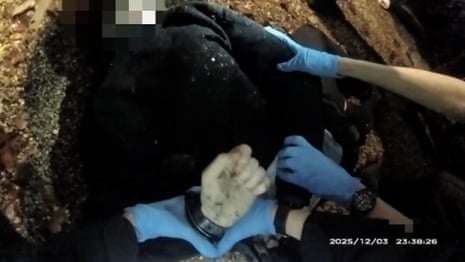
MCKINNEY, Texas — A dramatic day in the Karmelo Anthony murder trial left jurors visibly shaken as prosecutors presented a bloodied knife and the defendant’s own alleged words to police: “I’m not alleged. I did it.”Karmelo Anthony murder trial opens with 911 call, emotional testimony | Fox  News

The 19-year-old Anthony stands charged with first-degree murder in the fatal stabbing of 17-year-old Austin Metcalf during a confrontation at a Frisco Independent School District track meet on April 2, 2025. What began as a dispute over seating under a team tent ended with Metcalf dead from a single stab wound to the chest.

On Wednesday, the courtroom fell silent as prosecutors introduced graphic evidence, including the bloodied knife recovered at the scene. Witnesses testified that Anthony was the aggressor, provoking the fight before allegedly stabbing Metcalf in a “lightning-fast” motion. Haunting bodycam footage from the immediate aftermath further intensified the emotional weight of the proceedings.

Anthony’s defense team is vigorously arguing self-defense, claiming their client acted after Metcalf allegedly put his hands on him. However, the combination of physical evidence and Anthony’s own reported statement to officers has created a challenging moment for the defense.

The trial, which has drawn intense local and national attention, centers on a split-secKarmelo Anthony witness testifies students repeatedly asked accused killer  to leave tent before track stabbingond decision at a school athletic event that ended one young life and forever altered another. Anthony faces five to 99 years in prison if convicted.

Prosecutors have painted a picture of an unprovoked attack, while the defense maintains Anthony feared for his safety and acted in the heat of the moment. The jury is expected to begin deliberating soon, with a verdict possible by next week.Frisco track meet stabbing trial continues on Day 2

The case has already sparked heated discussions about youth violence, self-defense laws in Texas, and the role of school safety at athletic events. Both families have maintained a low profile inside the courtroom, though supporters on both sides have gathered outside the Collin County Courthouse.

As the trial moves toward its conclusion, the focus remains on whether the jury will accept the self-defense claim or hold Anthony accountable for the fatal stabbing that occurred in front of numerous student-athletes and spectators.

6 June 2026