The toilet was a hole in the wall.
Whatever you dropped into it fell downward—
into a pit, cesspool, moat, or shaft beneath the castle.
There was no flush.
No modern sewer.
And depending on the castle, dozens—sometimes hundreds—of people could be living, working, eating and sleeping behind the same stone walls.
Now add urine.
Animal waste.
Kitchen scraps.
Smoke.
Sweat.
Damp clothing.
Spoiled food.
And rats moving through the darkness.
That was the side of medieval castle life Hollywood rarely shows.
From the outside, a castle could look magnificent.
Towers.
Battlements.
Banners.
Great halls.
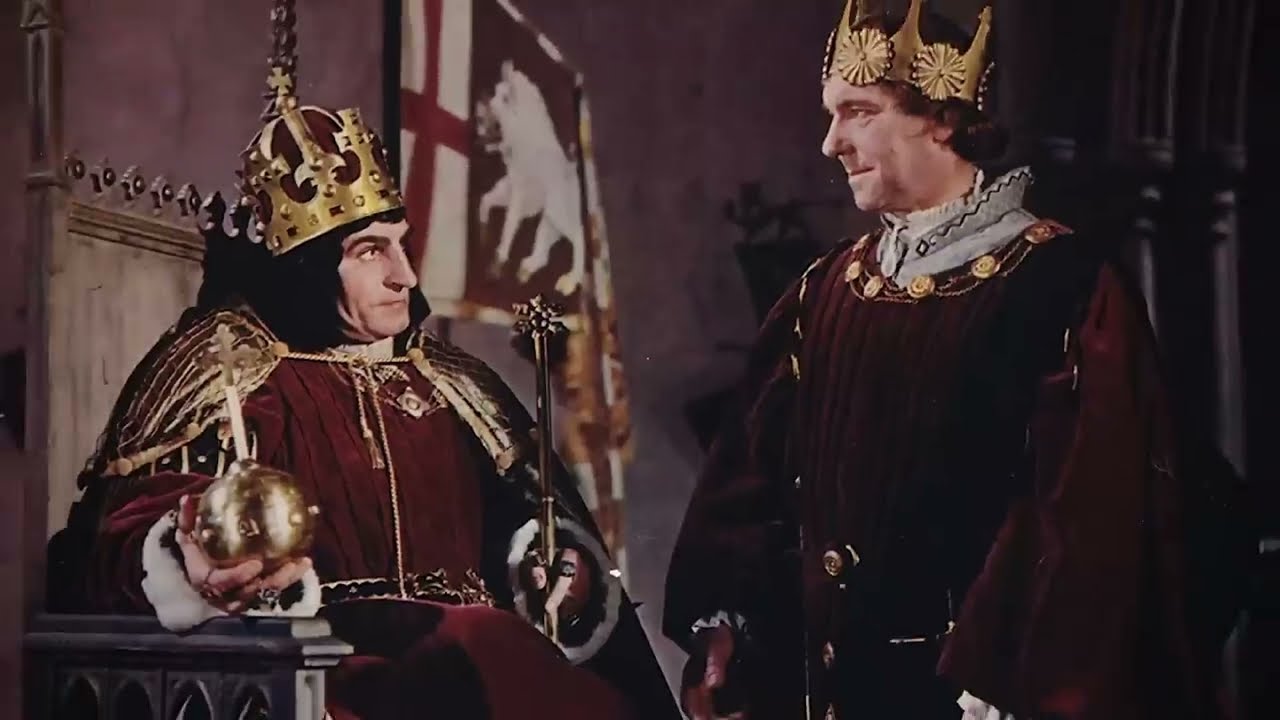
Noble families drinking wine beside roaring fires.
But step away from the lord’s table—
and the fantasy begins collapsing very quickly.
Because castles were not originally designed to be luxury hotels.
They were fortifications.
Massive defensive structures built to survive attack.
Comfort came second.
Sometimes a very distant second.
And for the servants who actually kept these places functioning, life could mean waking before sunrise, working until darkness, sleeping in cold quarters and spending every day surrounded by smells modern people would find almost impossible to tolerate.
The king might own the castle.
But somebody still had to empty, clean, carry, cook, scrub, haul, feed and repair everything inside it.
And that meant the medieval castle was not simply a home.
It was a crowded machine—
powered by human labor.
So forget the fairy tale for a moment.
Walk through the gate.
Let the doors close behind you.
And smell the place.
Because that is probably where the reality would hit you first.
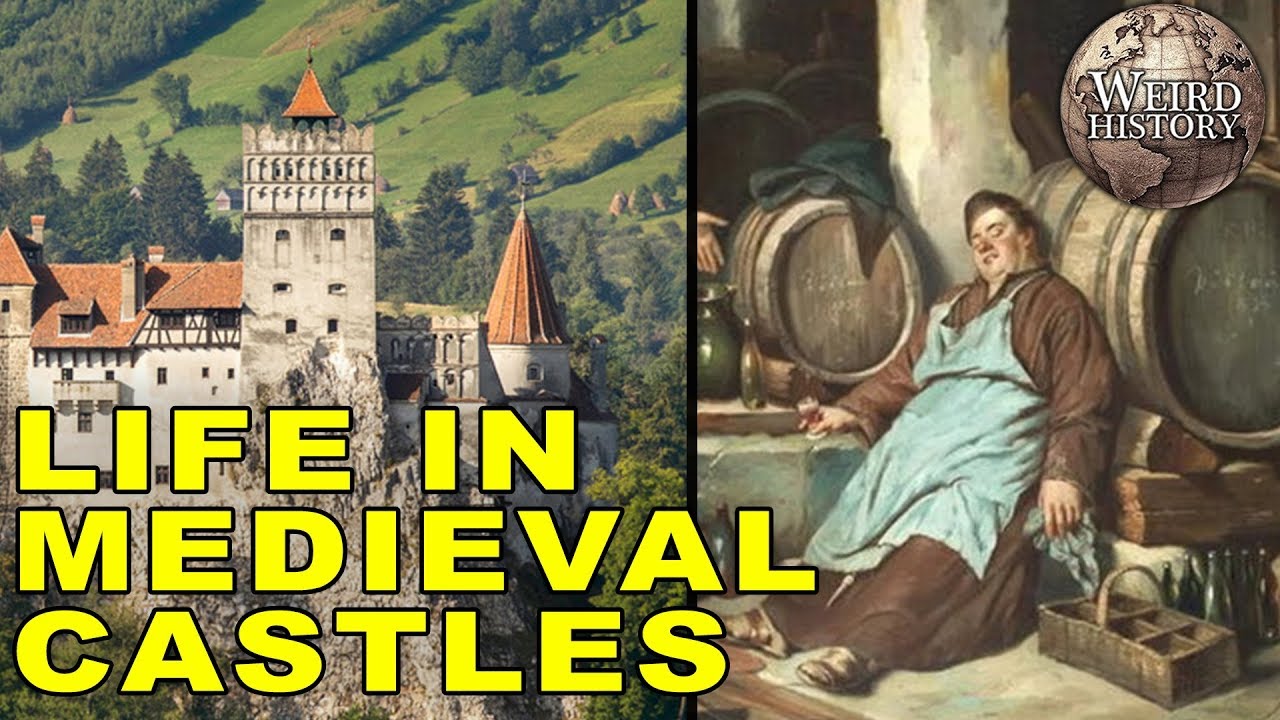
One of the most infamous features of castle sanitation was the garderobe.
In simple terms—
a medieval toilet.
Some were built into the thickness of castle walls.
A person sat over an opening.
Waste fell through a vertical shaft.
Depending on the design, it might end in a cesspit, ditch or outside the wall.
Elegant?
Not exactly.
But compared with having no designated toilet at all, it was technology.
The problem was what happened afterward.
Human waste doesn’t disappear because you stop looking at it.
It accumulates.
It smells.
It attracts insects.
And if cesspits are poorly managed, somebody eventually has to deal with them.
That somebody was rarely the lord.
Privacy could also be limited.
Not every medieval toilet was the private stone seat tourists imagine today.
Communal latrines existed.
And ideas of bodily privacy were not necessarily identical to ours.
The experience could therefore be remarkably social by modern standards.
But smell was only one problem.
Sanitation affected everything.
Waste near living areas.
Waste near water.
Animals inside or around settlements.
Food scraps.
Dirty floors.
Smoke.
Parasites.
The medieval world contained an enormous biological ecosystem that modern plumbing, refrigeration, sealed buildings and waste collection have largely pushed out of everyday Western domestic life.
Inside a castle—
you lived much closer to it.
And perhaps no unwanted castle resident became more infamous than the rat.
Picture the perfect habitat.
Thick walls filled with gaps.
Storage rooms.
Grain.
Bread.
Kitchen waste.
Dark corners.
Warm spaces near food preparation.
People dropping scraps.
Animals producing feed and waste.
No professional exterminator arriving Monday morning.
Rodents could exploit exactly this environment.
And unlike the cartoon version of medieval life—
you couldn’t simply place one trap and declare victory.
Mice and rats were part of the broader struggle to protect food stores.
Cats helped.
Dogs helped in some contexts.
Human vigilance helped.
But completely sealing a large premodern structure against vermin was extremely difficult.
And rodents weren’t merely unpleasant.
They contaminated food.
Damaged supplies.
Carried parasites.
And later medieval Europe experienced one of history’s greatest demographic catastrophes:
The Black Death.
The relationship between plague transmission, fleas, rodents and human ectoparasites is more complicated than the old simplified image of “rats caused everything.”
But to people living through epidemic disease—
none of the modern microbiology existed.
They saw people becoming sick.
Then dying.
Sometimes entire households.
Entire neighborhoods.
Entire communities.
Disease could feel invisible and supernatural.
And castle walls did not create immunity.
Stone could stop an arrow.
It could not stop infection.
Nor did being wealthy guarantee safety.
But wealth did change your chances of comfort.

Because almost everything inside the castle depended on rank.
Where you slept.
Where you sat.
What you wore.
What you ate.
How warm you were.
How much privacy you possessed.
Even how much light surrounded you.
Medieval society was hierarchical—
and the architecture reminded you constantly.
The great hall made that visible.
Imagine entering during a feast.
At the important end of the room sits the lord.
His family.
Honored guests.
Power gathers physically around them.
Then everyone else stretches outward.
Rank determines proximity.
Rank influences service.
Rank influences food.
The hierarchy isn’t hidden in a government document.
You can see it at dinner.
The elite could receive elaborate dishes, expensive ingredients and imported spices.
Meat might appear in abundance at wealthy tables, depending on occasion and household resources.
Wine and ale flowed.
Guests were entertained.
Musicians might perform.
Servants moved constantly through the room.
From a distance—
this is the medieval castle Hollywood loves.
Firelight.
Roasted meat.
Goblets.
Music.
Conversation.
Dogs beneath tables.
Banners above.
But follow the servant carrying the platter away—
and you enter another world.
The kitchen.
Hot.
Smoky.
Dangerous.
Exhausting.
Cooking for a large aristocratic household was an industrial operation by premodern standards.
Food had to be stored.
Prepared.
Butchered.
Baked.
Boiled.
Roasted.
Carried.
Served.
Then everything had to be cleaned—
without modern detergent, refrigeration, stainless steel counters or running hot water.
And nearly all of it depended upon fire.
That created another danger.
One careless ember could become catastrophe.
Fire was one of the constant threats of the premodern world.
Castle walls might be stone—
but not everything inside them was.
Roofs.
Beams.
Furniture.
Flooring.
Partitions.
Storage materials.
Textiles.
Rushes.
Firewood.
All could burn.
And kitchens naturally concentrated flame.
Large hearths.
Ovens.
Hot grease.
Dry fuel.
People rushing around.
The later development of better-separated kitchen spaces and masonry hearths helped control some risks.
But fire never became trivial.
Especially when extinguishing it meant people carrying water manually.
There was no sprinkler system.
No fire engine parked outside.
No emergency number.
If flame escaped control—
you fought it with whatever people and water you could gather.
And water itself required labor.
That is something modern castle visitors rarely think about.
Turn a tap today—
water appears.
Inside a medieval castle, water had to come from somewhere.
A well.
Cistern.
Spring.
Nearby river.
Rainwater collection.
Then it had to be carried.
Bucket after bucket.
For cooking.
Cleaning.
Animals.
Washing.
Bathing.
Firefighting.
Hundreds of liters moving through a large household meant human beings physically hauling weight.
Every comfort had labor hidden behind it.
A noble wanted warm water?
Someone collected the water.
Someone carried it.
Someone heated it.
Someone carried it again.
Someone prepared the tub.
Someone cleaned afterward.
Which brings us to one of the biggest myths about medieval people.
They did bathe.
The idea that everyone in the Middle Ages hated washing is exaggerated.
People understood the pleasure and practical value of cleanliness.
Bathhouses existed in many medieval towns.
People washed faces and hands.
Wealthier households could arrange baths.
The obstacle wasn’t necessarily some universal religious hatred of water.
It was logistics.
A bath is incredibly easy when hot water comes through a pipe.
Remove the pipe—
and suddenly a bath becomes an event.
A wooden tub might need to be moved into position.
Water carried manually.
Then heated over a fire.
Then transferred into the tub.
More water added.
Afterward—
the dirty water had to go somewhere.
For an aristocrat with servants, this was possible.

For an exhausted laborer—
far less convenient.
And bathing frequency varied enormously across time, place, status and circumstance.
So castle life should not be imagined as thousands of people proudly refusing ever to wash.
But neither should it be imagined with modern standards of daily showers, deodorant, washing machines and indoor plumbing.
Bodies smelled.
Clothing absorbed sweat.
Rooms held smoke.
Animals lived nearby.
Cooking odors lingered.
Waste existed close to human life.
Then people attempted to fight those smells using whatever they had.
Herbs.
Fresh rushes.
Ventilation.
Cleaning.
Perfume among those who could afford it.
One famous castle practice was spreading plant material across floors.
Rushes could provide insulation and help manage dirt and spills.
Herbs might improve smell.
But imagine what eventually became trapped beneath or among that material.
Food.
Grease.
Mud.
Animal hair.
Bones.
Spilled drink.
And whatever else people tracked through the hall.
Freshening the floor could expose exactly what everyone had been trying not to notice.
And while servants were cleaning it—
the castle was still cold.
Stone looks magnificent.
Stone is also terrible at pretending to be a modern insulated wall.
Castles were defensive structures.
Thick masonry helped resist attack.
But large stone spaces could become cold and damp.
Especially in northern European winters.
Windows presented another compromise.
A giant modern glass wall gives you sunlight.
It also gives attackers an enormous opening.
Medieval defensive architecture favored much smaller openings in vulnerable areas.
As castle design evolved and security conditions changed, residential windows could become larger and more elaborate.
But many spaces remained darker than modern rooms.
Fireplaces helped.
Braziers could help.
Textiles mattered enormously.
Tapestries were not simply decorative luxury.
Heavy wall hangings and curtains could reduce drafts and make rooms feel warmer.
Beds might have curtains.
Clothing came in layers.
People concentrated around fires.
But again—
rank determined comfort.
The lord’s private chamber might contain a fireplace, better furnishings, textiles and servants.
Lower-status workers could sleep in far less comfortable conditions.
Some servants slept communally.
Others occupied small rooms or service areas.
Some might simply sleep wherever household organization allowed.
The romantic castle bedroom with a four-poster bed belonged to a tiny minority.
For everyone else—
the castle could feel less like a palace and more like an enormous stone workplace.
And that workplace woke early.
Sunrise mattered.
Before electric lighting, every hour of daylight had value.
Candles cost money.
Oil cost money.
Fire required fuel.
Artificial light was weak compared with a modern bulb.
So servants began work early.
Very early.
The kitchen had to come alive.
Fires needed attention.
Water had to be moved.
Food prepared.
Animals handled.
Rooms cleaned.
Clothing maintained.
Messages delivered.
Doors opened.
Guests attended.
Beds arranged.
Supplies inventoried.
A castle was never operated by one mysterious servant who appears whenever the lord rings a bell.
Large households required specialized roles.
Stewards.
Chamber staff.
Cooks.
Kitchen workers.
Grooms.
Pages.
Porters.
Guards.
Clerks.
Chaplains.
Laundry workers.
Craftsmen.
Laborers.
The precise structure varied dramatically depending on the castle, century and wealth of its owner.
But the principle remained:
Elite life depended upon an enormous amount of invisible labor.
Every impressive feast meant someone had spent hours near a fire.
Every clean garment meant someone had washed or maintained it.
Every warm room meant somebody had carried fuel.
Every horse meant feeding, grooming and cleaning.
Every visitor meant additional work.
Every celebration meant more preparation.
The lord’s leisure—
was somebody else’s shift.
And castles could become extraordinarily crowded.
Forget the image of a noble couple wandering alone through endless empty corridors.
A functioning aristocratic residence could contain family members, servants, soldiers, clerics, administrators, craftsmen, guests, messengers and retainers.
Then a visiting noble arrived.
With his own attendants.
And horses.
Then another group arrived.
Suddenly a castle designed for defense becomes a temporary miniature city.
People sleeping everywhere.
Eating everywhere.
Working everywhere.
Waiting everywhere.
Privacy becomes valuable.
And private rooms themselves become status symbols.
Early medieval aristocratic life often centered heavily around communal spaces such as the great hall.
Over time, elite residences increasingly developed more differentiated private chambers.
The ability to close a door—
and decide who entered—
was power.
The servant rarely enjoyed the same luxury.
Nor did the prisoner.
Because beneath the romantic towers lies another part of the castle myth:
The dungeon.
Popular culture imagines every medieval castle with an enormous underground torture complex.
Reality was more varied.
Castles certainly held prisoners.
Some endured brutal conditions.
Torture existed in medieval and early modern justice and warfare.
But the idea that every castle possessed a permanent underground chamber filled with every grotesque device displayed in modern “medieval torture museums” is largely fantasy.
Many supposed medieval torture devices promoted today are later inventions, exaggerations or misdated objects.
That doesn’t make historical punishment humane.
Far from it.
Imprisonment could be terrifying.
Cold.
Darkness.
Hunger.
Chains.
Violence.
Disease.
Execution.
Political prisoners could disappear behind castle walls.
But reality is disturbing enough without inventing machinery.
And that distinction matters.
Because castles were not horrifying because everyone spent the afternoon torturing enemies.
They were harsh because almost every basic necessity modern people take for granted required work.
Heat.
Water.
Light.
Food.
Cleanliness.
Waste removal.
Security.
Medicine.
Everything.
Even religion was physically built into the household.
Many major castles possessed chapels.
For elite medieval Christians, religious practice structured daily and yearly life.
Mass.
Feast days.
Fasting.
Confession.
Prayer.
Burial.
Marriage.
Baptism.
Politics and religion were deeply intertwined.
The chapel therefore wasn’t merely decorative.
It could sit near the center of aristocratic life alongside the great hall and private chambers.
And architecture could again reinforce hierarchy.
In some chapels, elites occupied privileged spaces separated from or elevated above lower-status worshippers.
Even before God—
social rank remained visible.
That is perhaps the most important thing to understand about castle life.
Everyone technically lived inside the same walls.
But they did not live the same life.
A noblewoman could complain that the hall was cold—
while a servant had spent hours carrying the wood that warmed her chamber.
A lord could enjoy imported wine—
while workers ate simpler food nearby.
A guest could admire tapestries—
while someone else beat dust from them.
A knight could praise the castle’s defensive well—
while servants hauled water from it all day.
A feast could look magnificent from the high table—
and exhausting from the kitchen.
The castle was simultaneously palace—
fortress—
workplace—
warehouse—
military installation—
administrative center—
and home.
And once you understand that—
the fairy-tale image becomes impossible to maintain.
So imagine one final night.
The feast has ended.
The great hall empties.
Bones and scraps remain.
Dogs search beneath tables.
Servants begin cleaning.
Someone carries away dishes.
Someone checks the fire.
Someone brings fuel upstairs.
Someone walks through a dark corridor holding a candle.
Beyond the walls—
the temperature falls.
Inside—
smoke hangs near the ceiling.
A rat disappears behind stored grain.
Somewhere below, waste sits where gravity left it.
The lord retires to a warmer private chamber.
His servants do not.
By dawn—
they will be working again.
That was the secret behind the magnificent medieval castle.
The towers were real.
The feasts were real.
The wine was real.
The tapestries and fireplaces and noble chambers were real.
But so were the cold.
The darkness.
The vermin.
The waste.
The smoke.
The crowding.
And the endless physical labor required simply to make the building habitable.
A medieval castle might look like a palace from a mile away.
But if you could actually travel back in time—
the first thing that would destroy the fantasy probably wouldn’t be an enemy army.
It would be the smell.