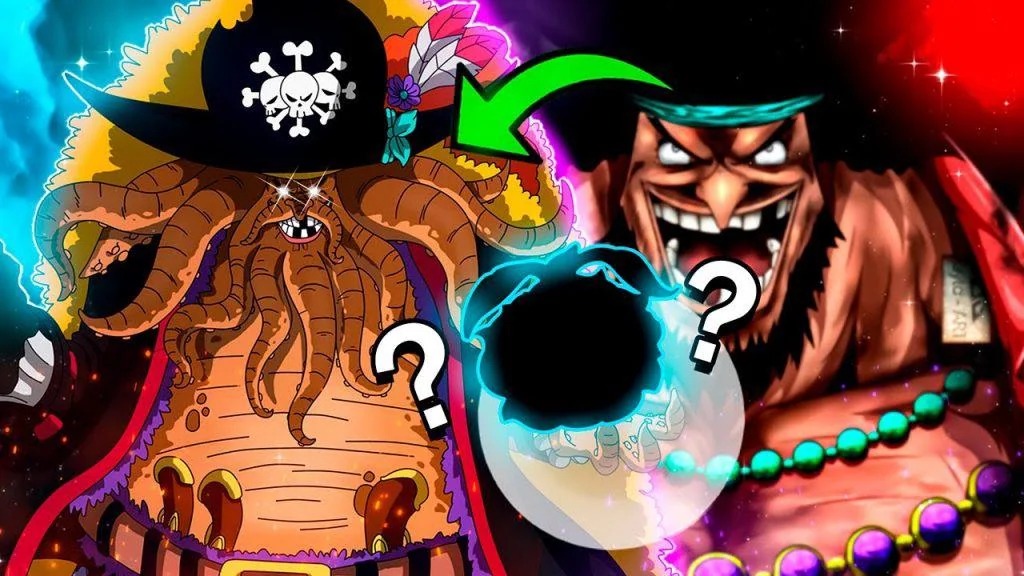
One Piece: Oda Set To Reveal A Massive Secret About The D Clan
One Piece chapter 1118 was absolutely massive in more ways than one as Vegapunk continued to reveal one secret after another, forcing them to act. Finally, in the previous chapter, Vegapunk got to the end of his message, but just before he could reveal a massive part of the knowledge that he had, the message was interrupted due to Saint Topman Warcury tackling the Iron Giant, causing the Iron Giant a great deal of damage.
However, now it has become clear that there is another opportunity for the message to come out, and the Five Elders will now have to be on their toes if they intend to stop it. It looks like another major truth about the D is just on the horizon in One Piece.
Vegapunk’s Message To The People Of D
Vegapunk Specifically Addressed Those Of D In The Previous Chapter Of One Piece
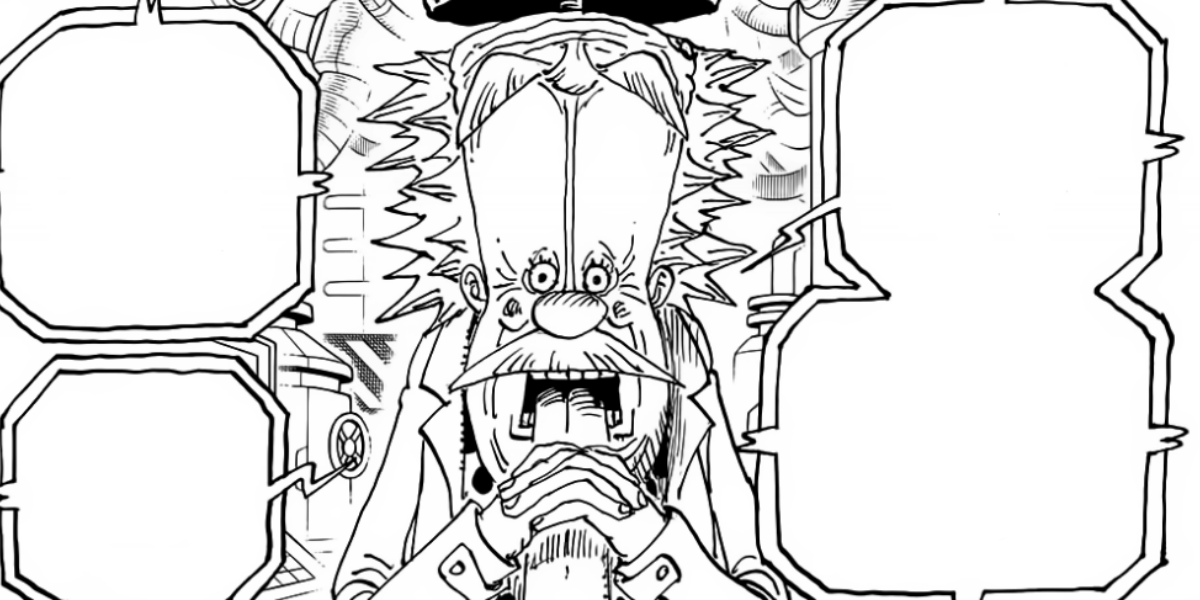
Vagapunk revealed quite a lot of intriguing bits of information in his long message. Fans know that he teased some of the most important subjects, such as the previous sinking of the world, which happened around 800 years ago after the conclusion of the war that was fought during the Void Century. At the same time, he also touched upon the subject of the future sinking of the world. This was a very bold prediction made by Vegapunk by studying the destruction of Lulusia, and the subsequent rising of the waves by 1 meter. Vegapunk suggests that the world will be completely inundated in the future as a Great War is brewing. Of course, he touched upon many other aspects as well, however, towards the end, he touched upon a very specific point that holds tremendous significance in One Piece.
Let me cut to the chase. Our world is going to sink into the ocean!!
Nobody really knows what the D truly means and where it comes from. Only by reaching the Final Island, Laugh Tale, can the D truly make sense and fans know that there is still some time before Oda reveals the answer to that question. However, that certainly does not mean that those who carry the D in their name won’t have special importance attached to them. For instance, Luffy, as fans know, is going to be the D who eventually fulfills Joyboy’s promise. In One Piece chapter 1118, it became clear for the fans to see that Vegapunk intends to reveal a massive secret about the D people and it will be extremely exciting to see which way the story goes next in regards to this special clan of people that have always followed a checkered fate.
Vegapunk’s Message Continues
Vegapunk Talks About A Special D Clan Member In One Piece 1118
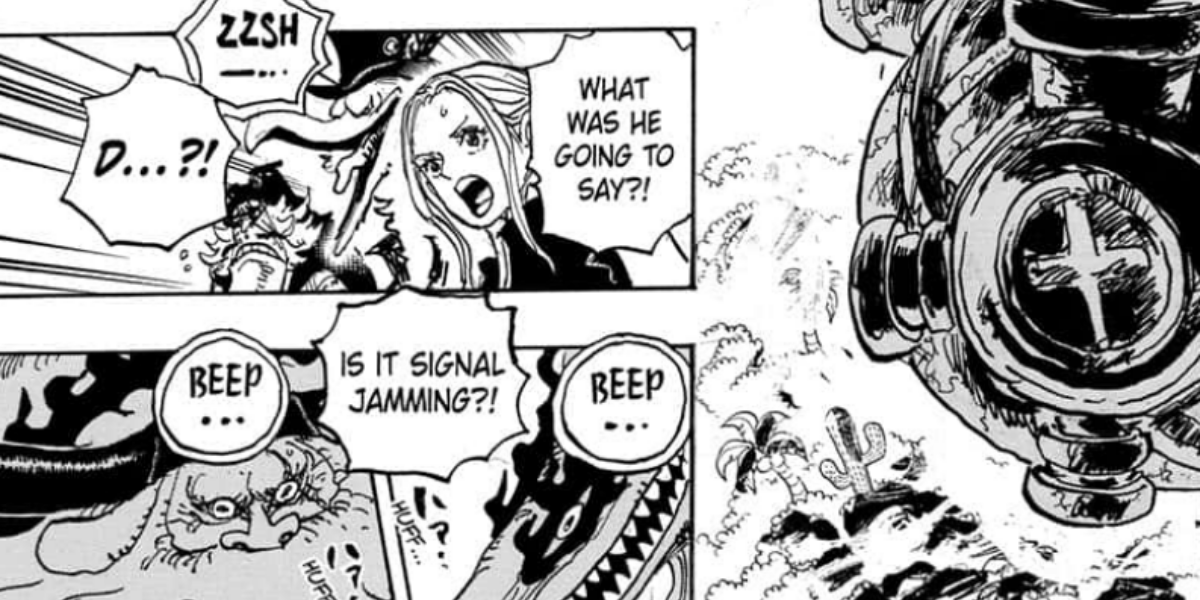
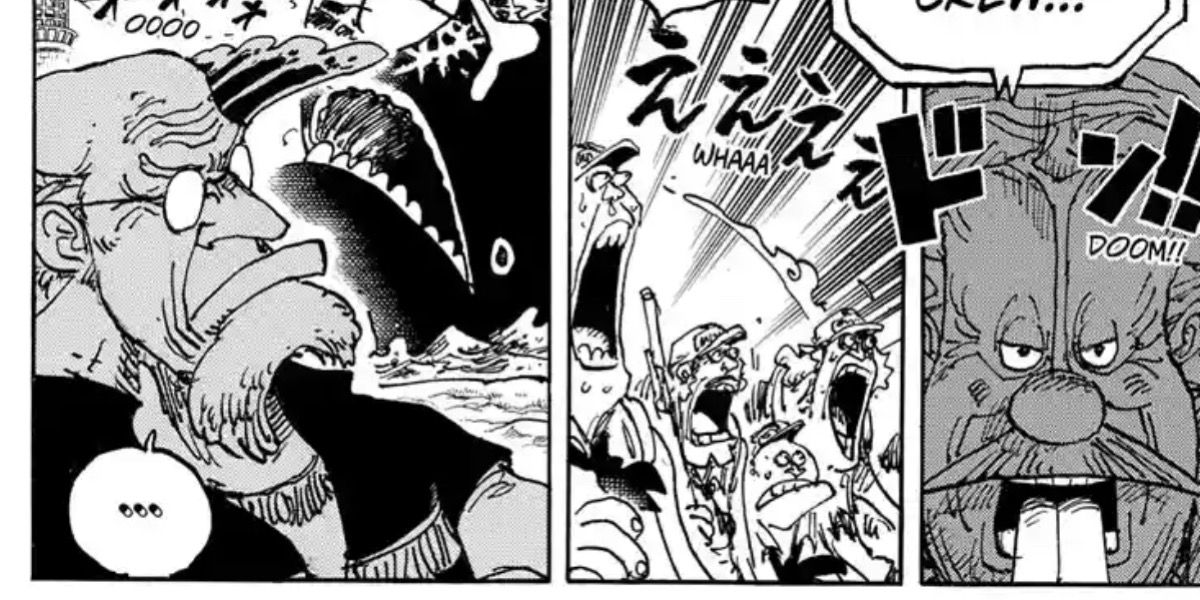
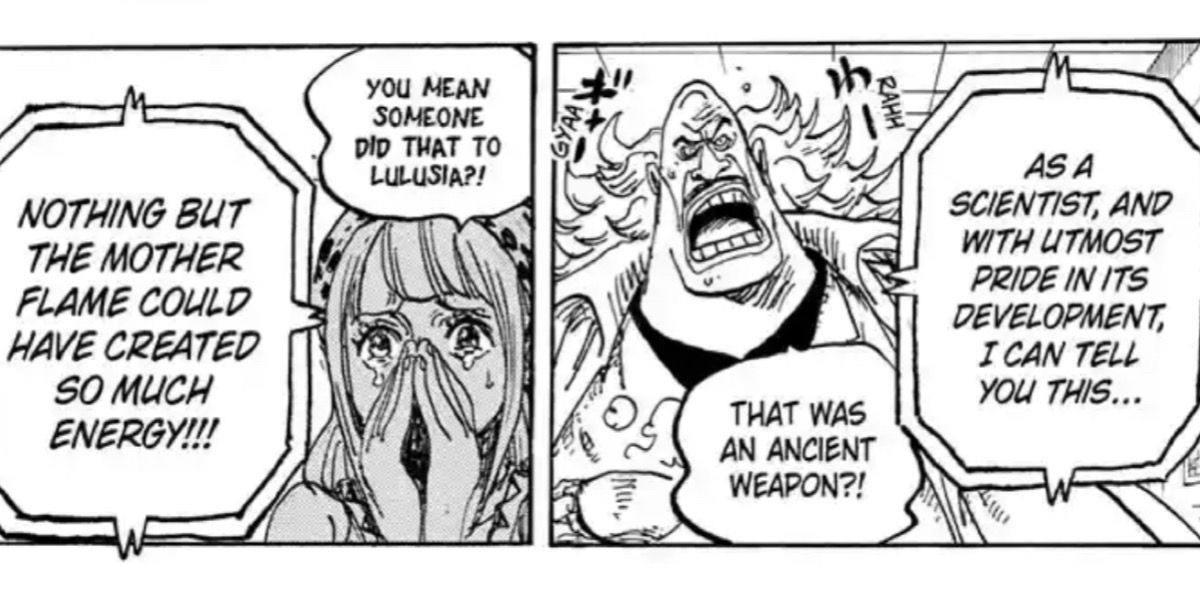
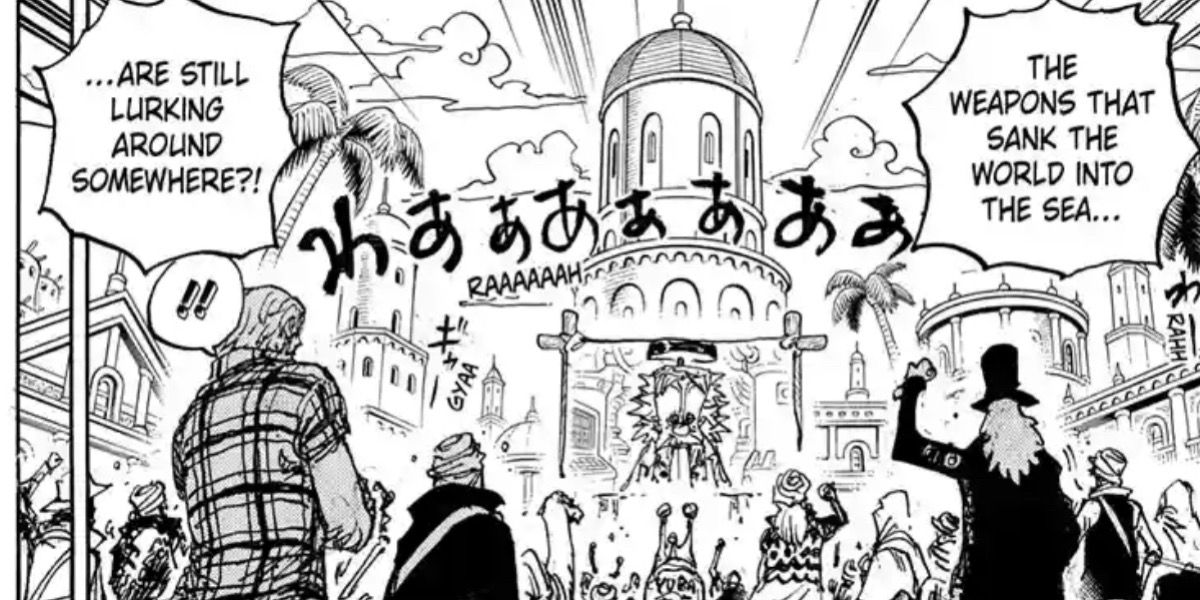
In One Piece chapter 1117, the message that the Iron Giant was transmitting, spoken by Vegapunk, was interrupted. This was simply down to the fact that York, one of the Vegapunks, was able to deduce that the Iron Giant was guarding the transponder snails. She conveyed the message immediately to the Five Elders, and they wasted no time surrounding the Giant. Warcury utilized his tremendous powers to tackle the Iron Giant, and massive shock caused such an interruption in the signal, stopping the message completely. Fans were greatly disappointed at not hearing the end of the message, as were the people of the One Piece world who wanted to hear a massive reveal from the genius scientist, formerly of the Navy.
Lastly, I have one message for those scattered throughout the world who beat the name D. Within you, there is a…
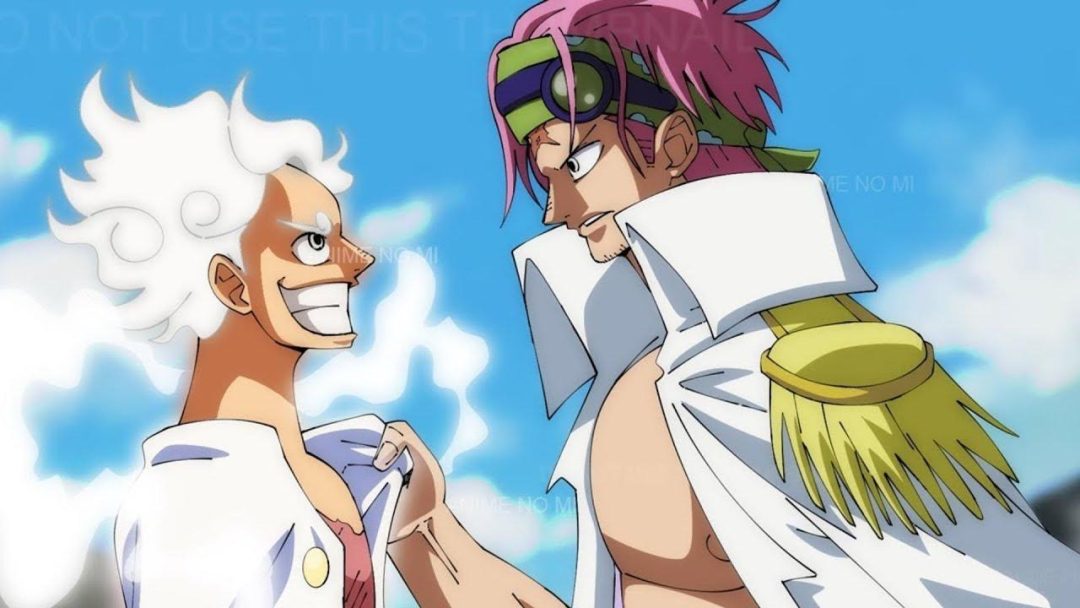
Most assumed that the message was now done and dusted. However, One Piece chapter 1118 revealed that to not be the case. The Iron Giant sunk to the bottom of the ocean in the chapter and this just goes to show how powerful the tackle that Warcury landed on it was. As the Iron Giant sunk, the Iron Giant was likely going to stay at the bottom of the ocean. However, towards the end of the chapter, something very interesting happened. Luffy tapped into the power of Gear 5 one more time, and this time, he wasn’t alone. Luffy also showed Bonney how to utilize Gear 5, and she too tapped into this incredible power using the Toshi Toshi no Mi. By this point, the Iron Giant was likely powered up even further, and fans already know that the tackle that Warcury landed on it did not completely shut it down.
As such, when it sank to the bottom of the ocean, the message continued. Unfortunately, a bit in the middle was cut. What fans know that Vegapunk said was “Among those who carry the D is a…,” and then the message was cut.
In One Piece chapter 1118, some bits of the message were skipped, but then Vegapunk continued to say “and the name of that individual is…,” and this clearly implies that Vegapunk talked about an individual from the D being something or doing something. Now, Vegapunk is going to reveal the name of the Individual from the D who did something or is expected to do something in the future.
What Will Vegapunk Reveal About The D?
Vegapunk Could Talk About The Man Joy Boy Is Waiting For
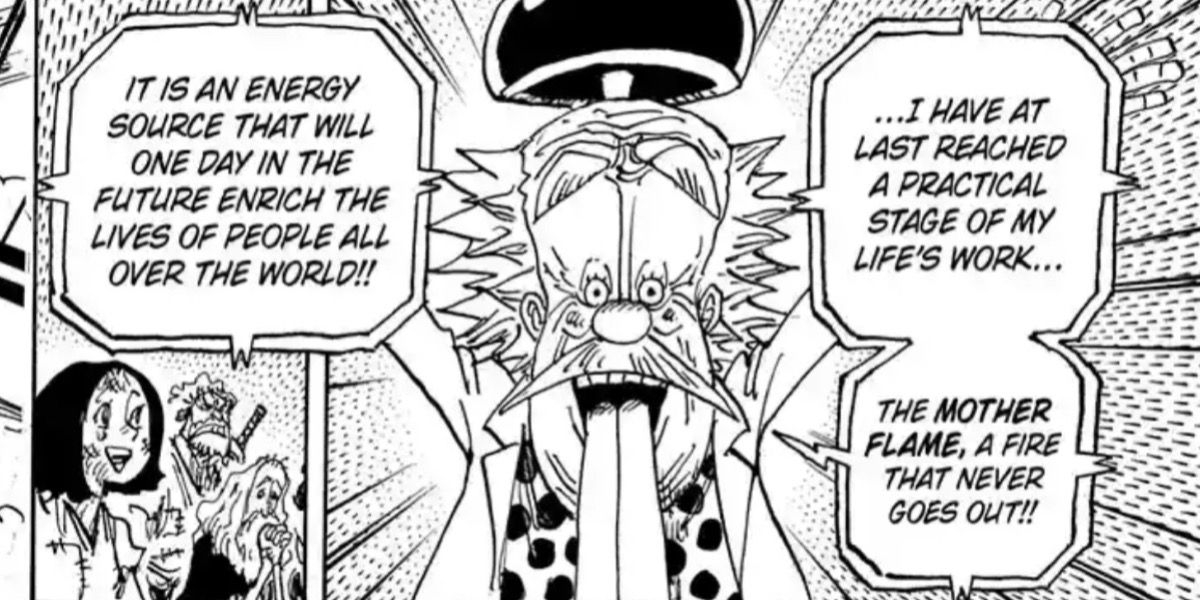
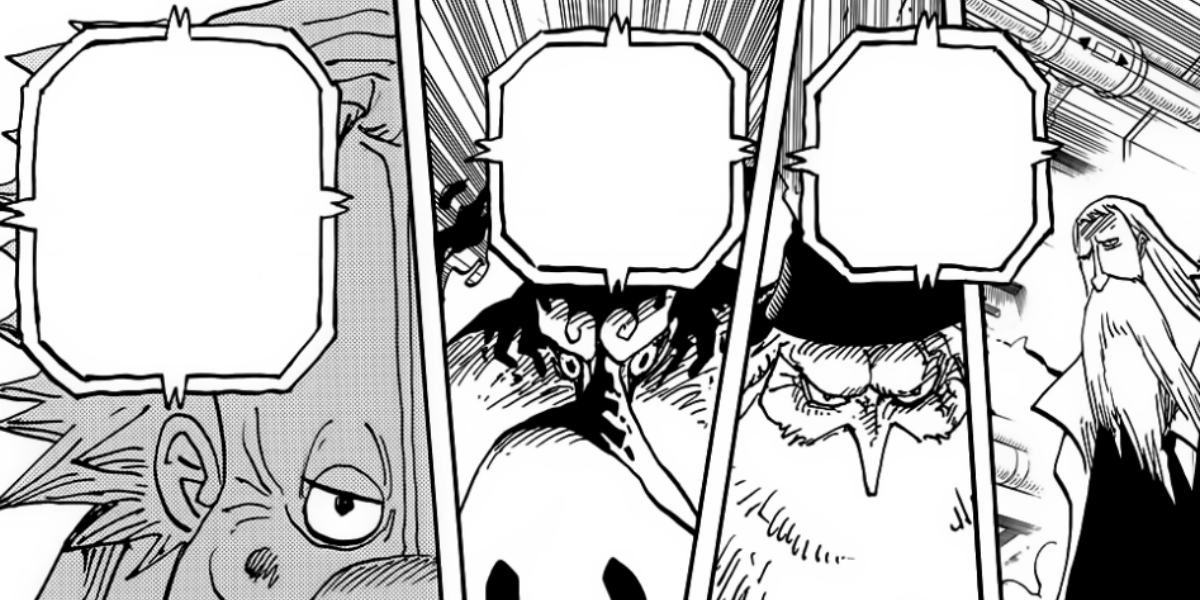
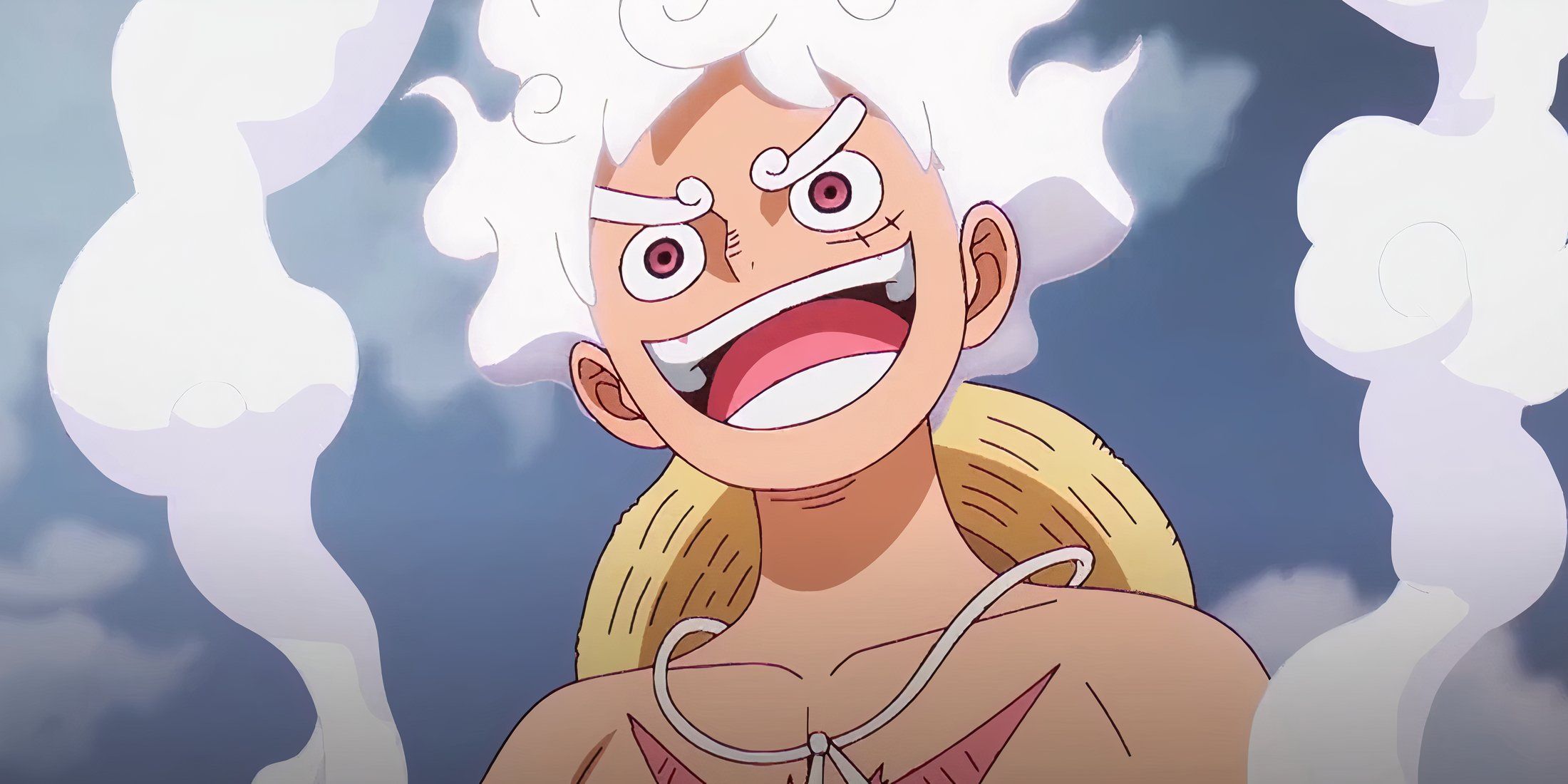
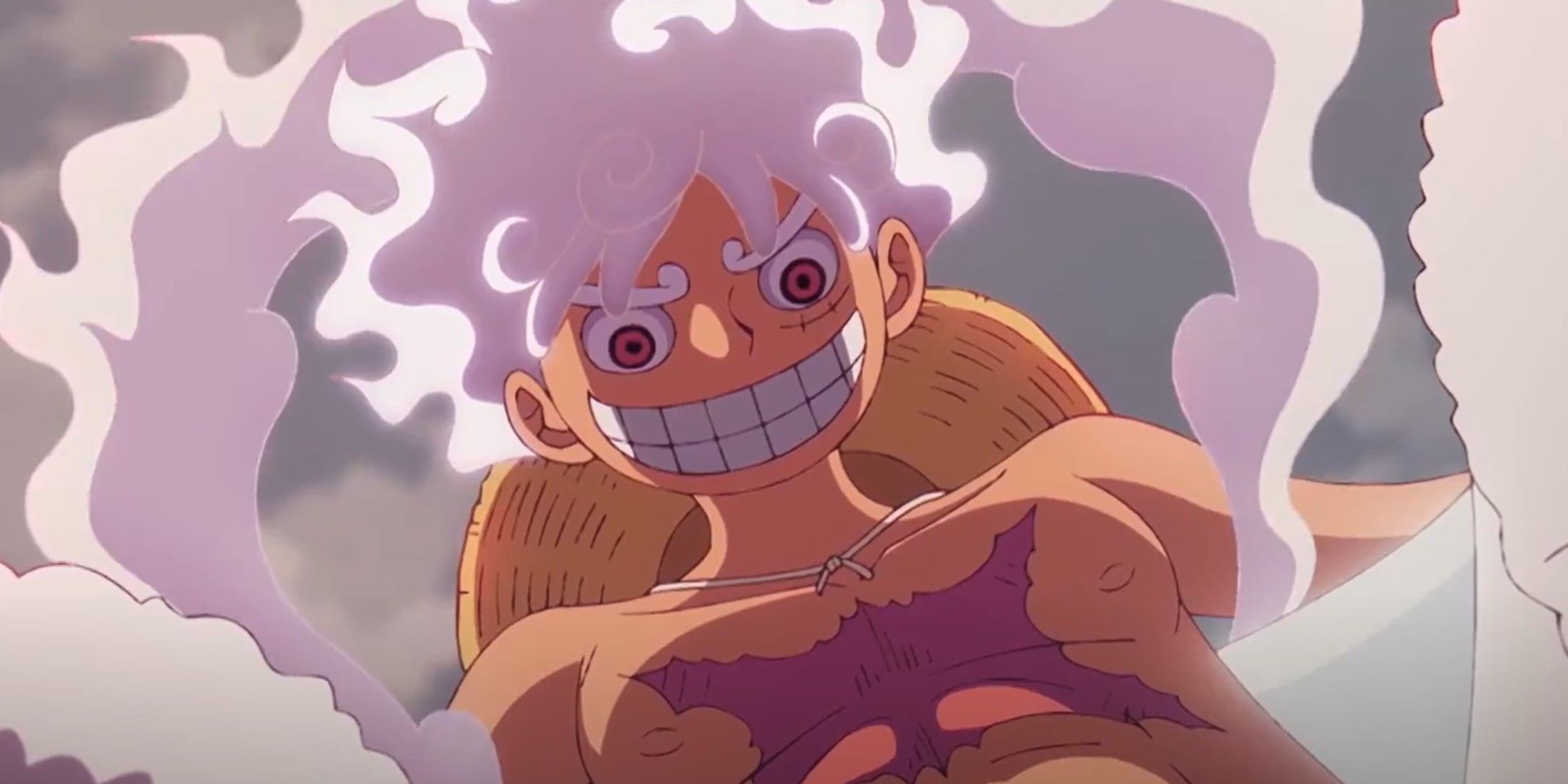
There are only two ways that Vegapunk’s massive reveal about this individual with the D in their name is going to go. The first possibility is that Vegapunk will reveal that within the D is Joyboy’s second coming. Joyboy predicted long ago that he would come again 800 years later. In fact, even those who reached Laugh Tale knew that Joyboy was coming back. Oden prepared Wano for the return of Joyboy, and many other individuals were awaiting his arrival as well. This is a known fact and is something that Vegapunk could have found out as well. As such, he could have mentioned that within the D is the person who is the next Joyboy and he’s currently working to fulfill the promise of the previous Joyboy. Of course, this person is likely going to be Monkey D. Luffy.
However, there’s another possibility that fans need to keep in mind, and that is a traitor being within the ranks of the D. Vegapunk could reveal that this traitor is someone completely unexpected who carries the D in their name and that their lineage betrayed joyboy and the Great Kingdom in the past. This could have been one of the biggest reasons why the Great Kingdom in the past lost. It would also explain why the Ancient Weapon Uranus is in possession of Imu, when fans know clearly that the people who built it were those of the Ancient Kingdom.
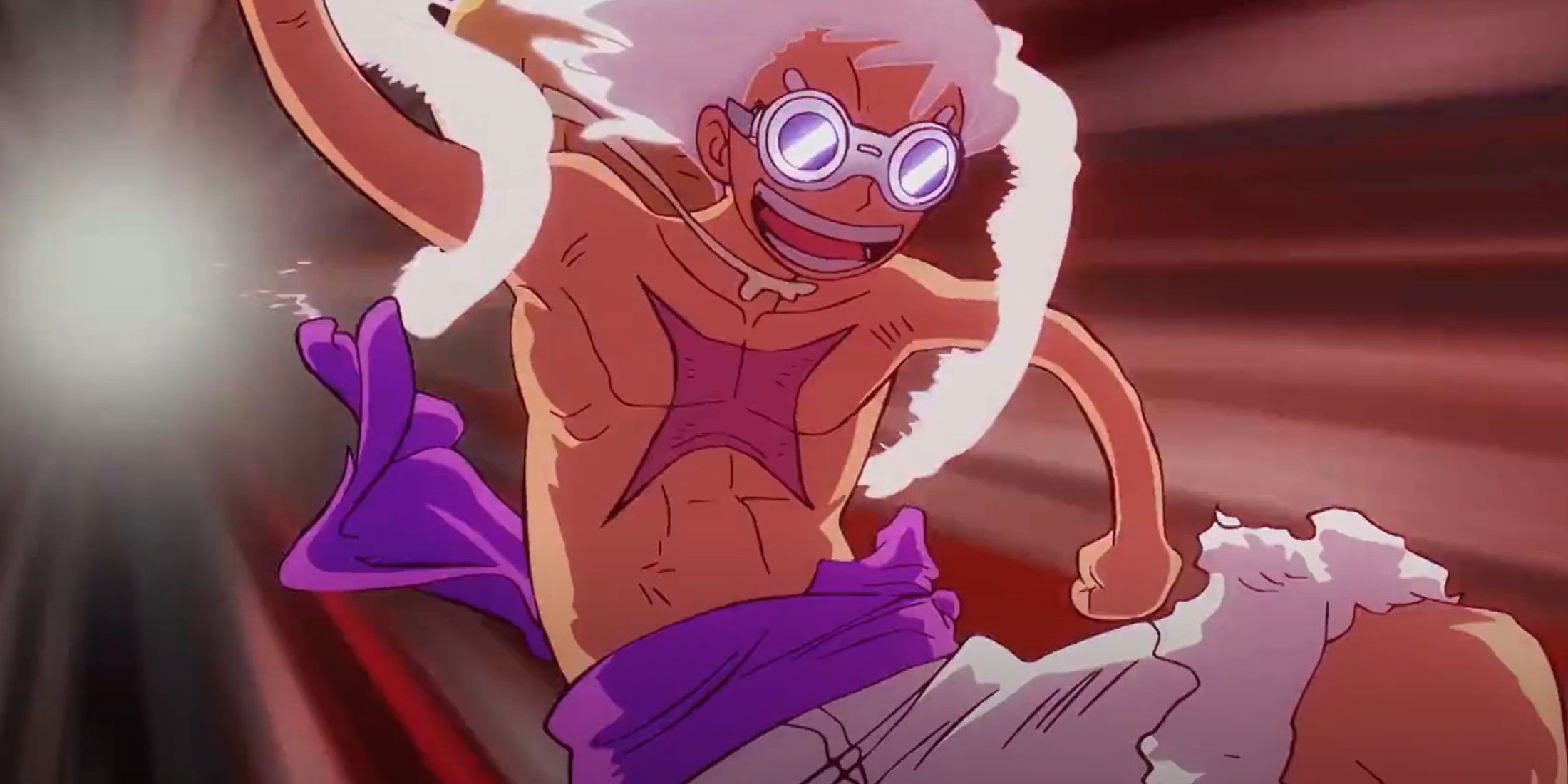
Thankfully, it doesn’t look like Vegapunk’s message is going to be interrupted any longer, and that means next week, fans should have an answer as to whether the person that Vegapunk is talking about is Luffy or a traitor from the ranks of the D.