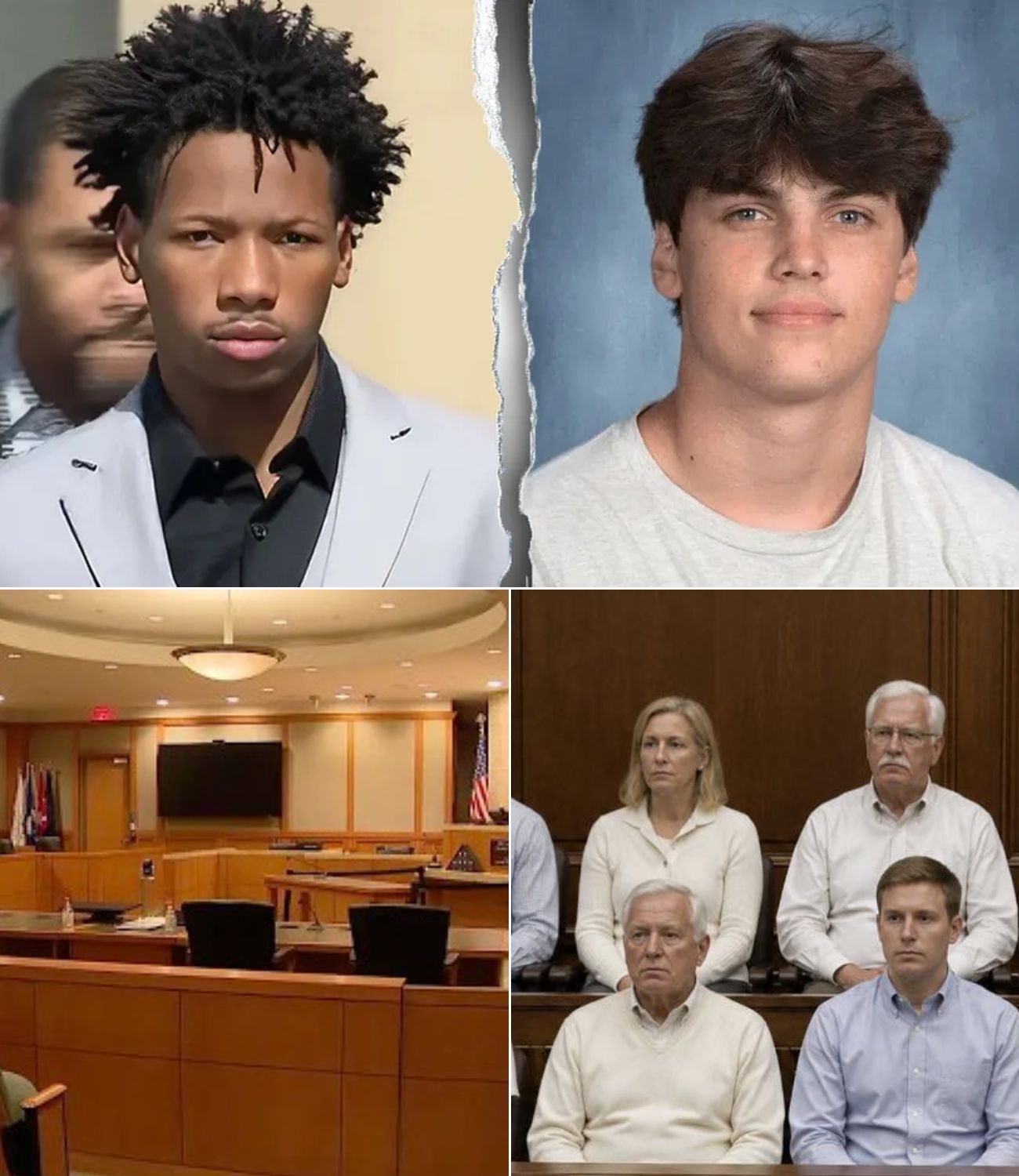
MCKINNEY, Texas — The high-profile murder trial of Karmelo Anthony has taken a controversial turn after jury selection concluded with an all-white panel, intensifying debates about racial fairness in the Texas justice system.
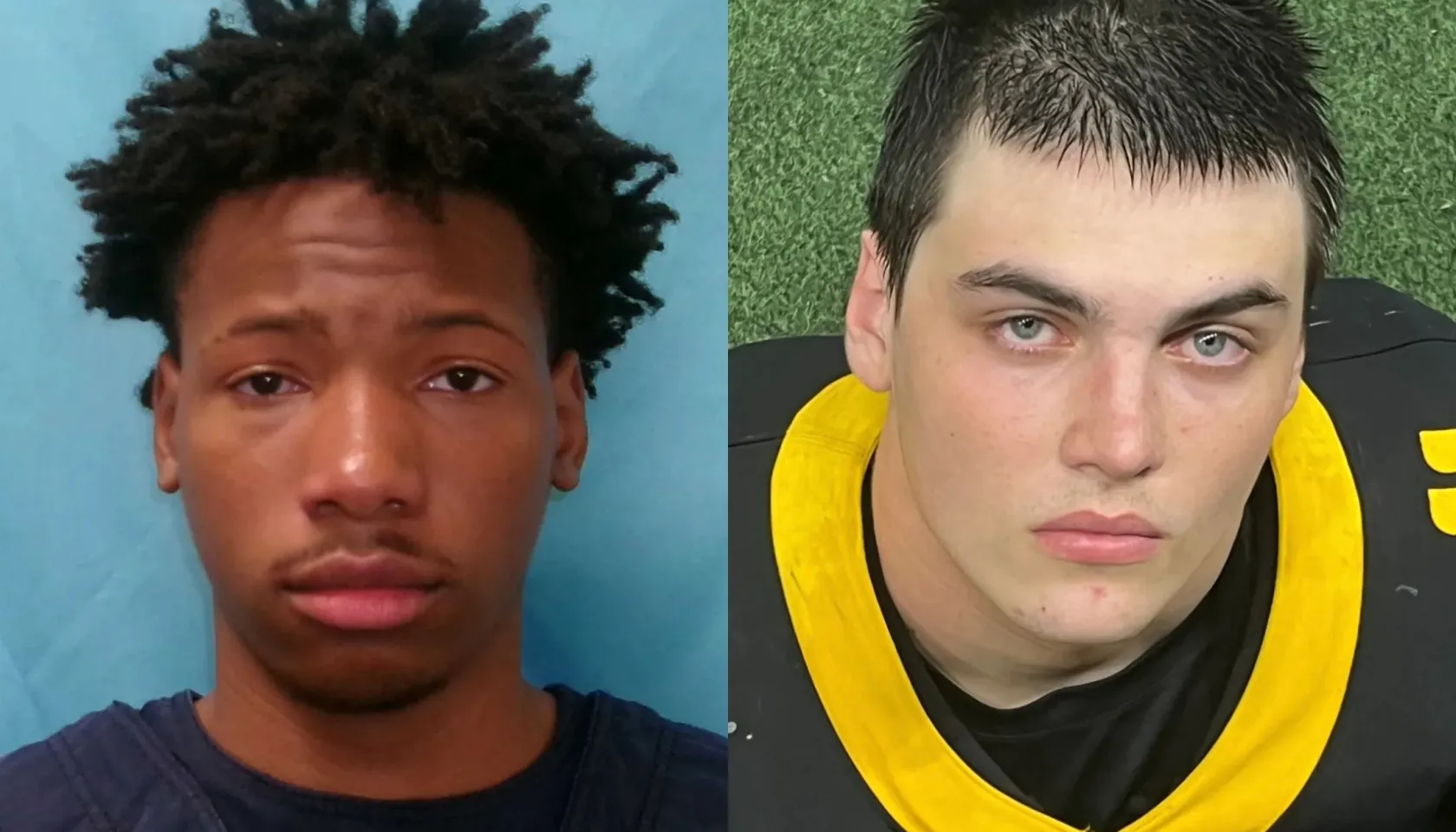
After days of questioning a large pool of prospective jurors, a 12-person jury and six alternates — none of whom are Black — were seated Wednesday in Collin County Court. The 19-year-old Anthony stands accused of first-degree murder in the fatal stabbing of 17-year-old Austin Metcalf during a track meet in Frisco on April 2, 2025.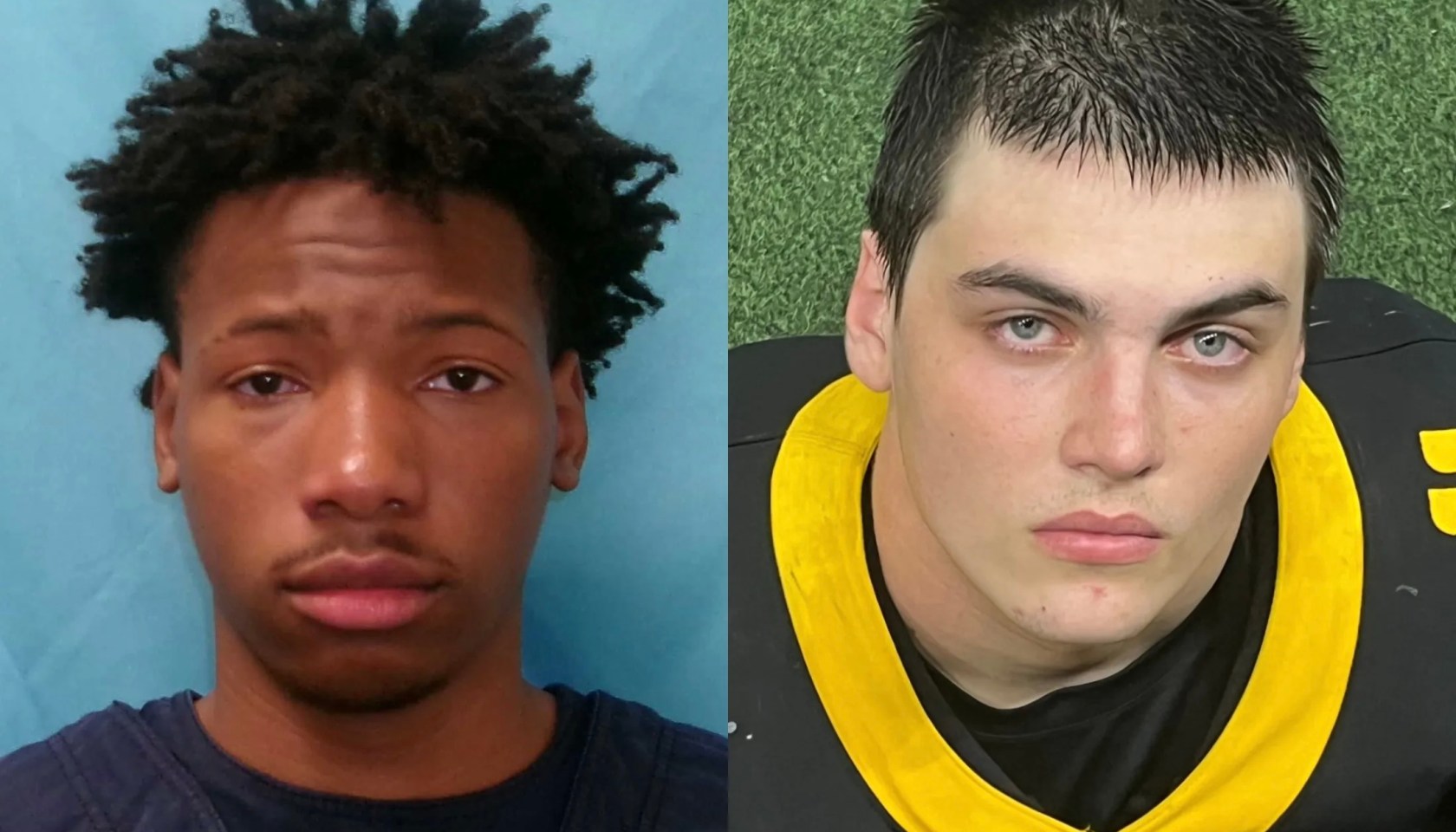
Defense attorneys immediately filed a Batson challenge, arguing that prosecutors improperly struck the final three Black women from the jury pool based on race. They claimed these women were treated differently from a white woman in a similar situation. Prosecutors defended the strikes as race-neutral, citing the women’s employment in education and their preference to avoid educators on a jury for a case tied to a school athletic event. The judge agreed with the prosecution and denied the challenge.
The decision has drawn sharp criticism from civil rights advocates and legal observers. In a case already heavy with racial implications — a Black teenager accused of killing a white student-athlete — the absence of any Black representation on the jury has raised serious questions about impartiality and public confidence in the verdict.
Inside the courtroom, Anthony appeared composed in a suit as attorneys questioned potential jurors on topics ranging from self-defense laws to personal experiences with violence. Outside the courthouse, supporters of Anthony gathered, some chanting slogans and holding signs calling for justice, while others stood quietly in support of Metcalf’s family.
The fatal incident occurred in front of numerous witnesses at a school-sanctioned track meet. Prosecutors argue Anthony was the aggressor who escalated a verbal dispute into deadly violence. The defense maintains Anthony reasonably feared for his safety and acted in self-defense.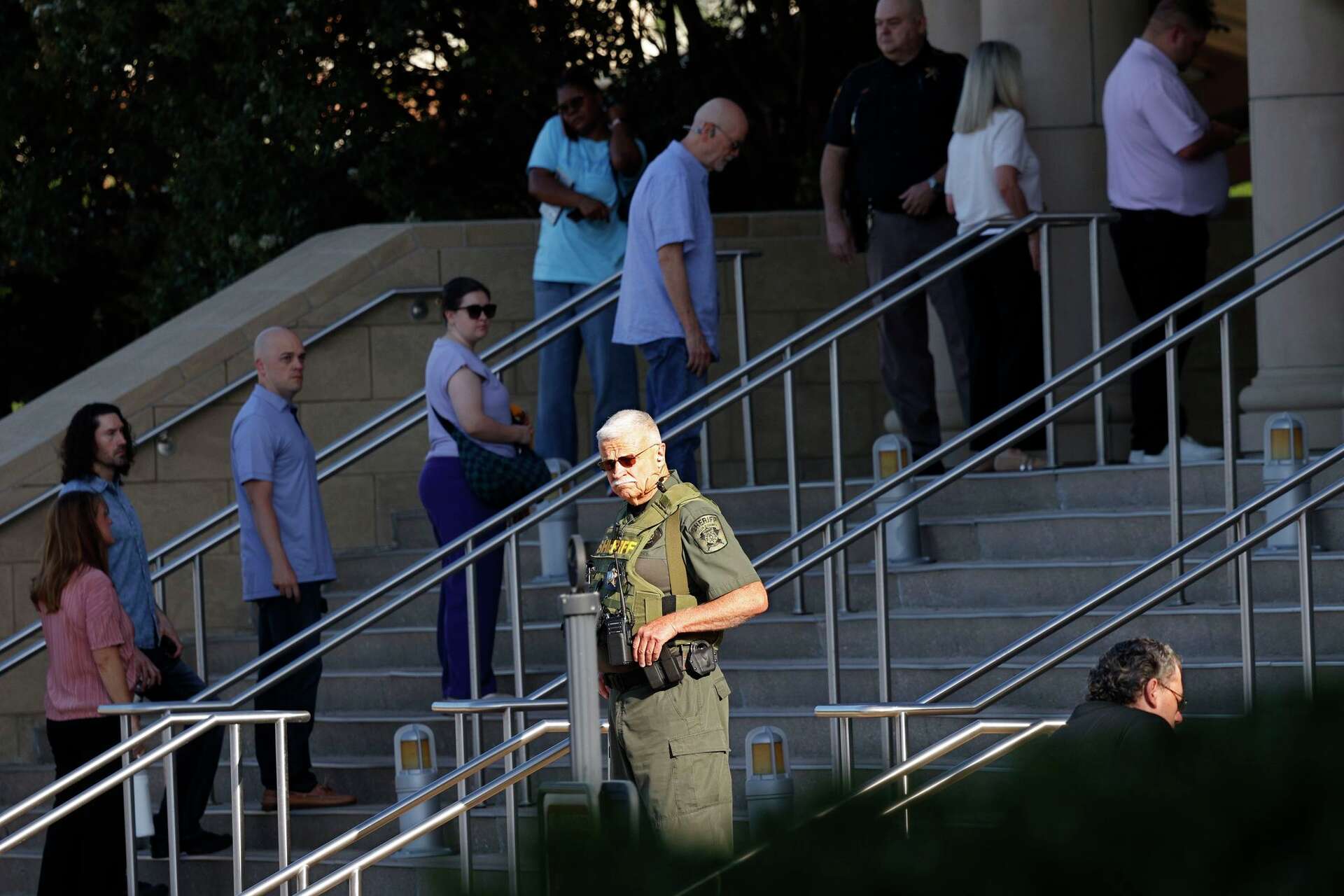
Legal experts note that while the Constitution does not require a jury to reflect the defendant’s race, courts have long recognized that diverse juries help maintain legitimacy, especially in racially sensitive cases. The all-white jury selection in this trial is likely to remain a focal point regardless of the final verdict.
As opening statements are expected to begin soon, both families continue to endure an emotionally taxing process. Metcalf’s loved ones remember him as a promising young athlete with a bright future, while Anthony’s supporters insist he is being unfairly portrayed and acted to protect himself.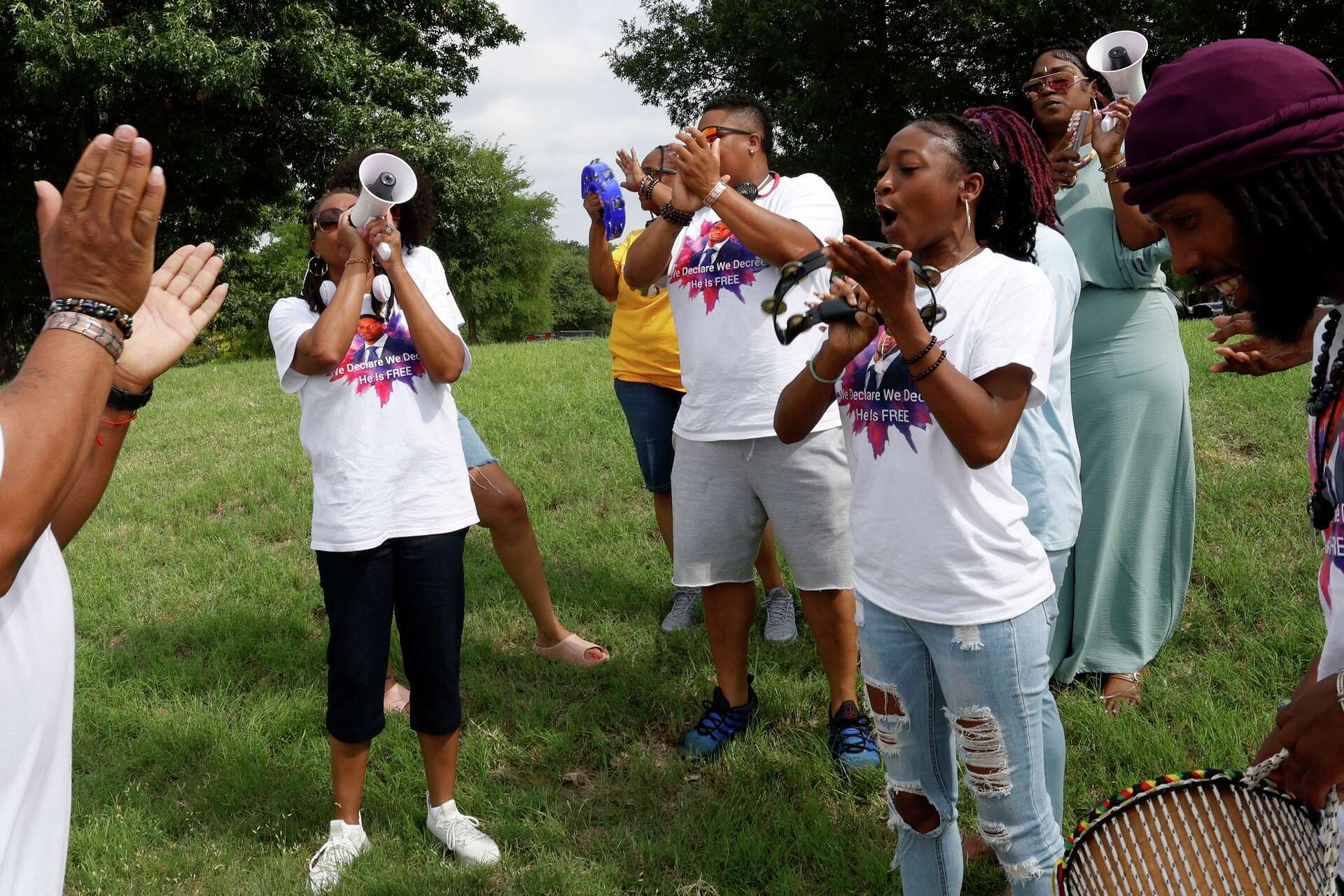
The Karmelo Anthony case has captivated the Dallas-Fort Worth area and drawn national attention. It touches on deeper societal issues including youth violence at school events, the application of self-defense laws, and the complex intersection of race and justice in Texas courtrooms.
Whatever the jury decides, this trial has already highlighted how quickly a teenage disagreement can turn tragic — and how difficult it remains to ensure every defendant receives a trial that feels fair to all sides.