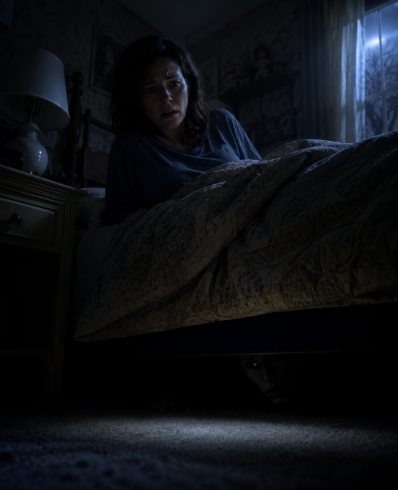
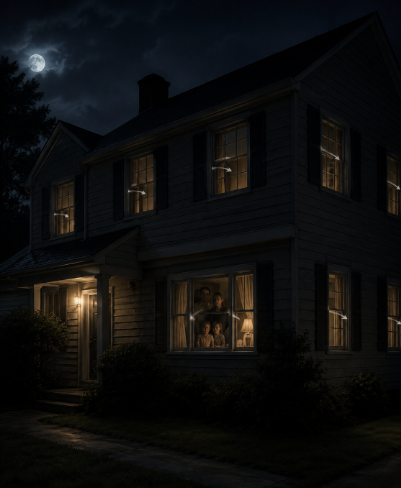
The House Where Every Window Opened at 3:11 AM: The Unexplained Night That Forced a Family to Leave Everything Behind

For the Carter family, the strangest thing about their new home was how peaceful it seemed.

Located in a quiet area of North Carolina, the old house looked perfect from the outside. It had a large backyard, tall trees surrounding the property, and more than enough space for a family of four. After years of renting apartments, David and Laura Carter were excited to finally own a place where their children could grow up.

The house was old, but they loved its character.

The wooden floors creaked. The stairs made soft noises at night. The windows were heavy and covered with old metal locks. Nothing about it seemed unusual.

At least, not at first.

The first strange incident happened three weeks after they moved in.

Laura woke up one morning and noticed something immediately.

The kitchen window was open.

She remembered closing it before bed because rain was expected overnight. She checked the others.

The living room window.

The upstairs bedroom windows.

The bathroom window.

Every single one was unlocked.

At first, David laughed.

“Maybe we forgot,” he said.

Laura agreed. Old houses were easy to misunderstand. Maybe one lock was broken. Maybe someone accidentally left something open.

But the next morning, it happened again.

And the morning after that.

Every window in the house was unlocked.

The strange part was that nothing was missing.

No electronics.

No jewelry.

No money.

Nothing.

There were no broken screens, no damaged locks, and no signs that anyone had entered the house.

David checked the doors every night before going to bed. He walked from room to room, making sure every window was secured.

Still, every morning, the same thing happened.

Every window was open.

The family started becoming uncomfortable.

Their young daughter, Emily, began refusing to sleep near her window.

When her parents asked why, she simply said, “Someone looks inside at night.”

David assumed it was a child’s imagination.

Until one morning, he found fingerprints on the outside of her bedroom window.

Small fingerprints.

Like those of a child.

He cleaned the glass and told himself it was probably from a previous owner. But deep down, he knew something was wrong.

The family installed cameras around the house.

For three nights, nothing happened.

Then, on the fourth night, the cameras recorded something strange.

At exactly 3:11 AM, the footage showed every light in the house flickering at the same time.

Then the cameras went black.

Not one camera.

All of them.

Exactly together.

The power inside the house never went out.

Only the cameras stopped working.

When they came back online twenty seconds later, every window was open.

David checked the recordings again and again.

There was no person.

No shadow.

No movement.

Just the windows opening by themselves.

That was the moment he decided they would stay awake and watch.

The following night, the entire family sat together in the living room. Nobody spoke. They watched the clock slowly move toward 3:11 AM.

3:10.

3:10 and thirty seconds.

3:10 and fifty seconds.

Then…

3:11.

The first sound was small.

A single click.

From the kitchen window.

Then another.

And another.

Within seconds, every lock in the house began moving.

Click.

Click.

Click.

The family watched in horror as every window opened at exactly the same time.

No hands.

No footsteps.

Nothing.

The cold night air rushed into the house.

Their dog started growling toward the upstairs hallway.

Then it began barking.

Not at a window.

At the empty bedroom.

David grabbed a flashlight and slowly walked upstairs.

The room was empty.

But the closet door, which had always been stuck shut, was slightly open.
Inside was a narrow space behind the wall.

A hidden room.

The family had lived there for months and never knew it existed.

David stepped inside carefully.

The room was covered in dust.

Except for one thing.

A wooden chair.

Placed directly in front of the windows.

Facing outside.

On the chair was an old notebook.

Inside were pages filled with dates.

Every date was a night when the windows opened.

The entries went back decades.

The last page was different.

It had only one sentence:

“Someone new finally lives here.”

David dropped the notebook.

The next morning, they contacted the previous owner.

The old man became silent when he heard about the hidden room.

Finally, he admitted that the house had a history.

Years earlier, a man had lived there alone. Neighbors reported that he spent every night sitting in the hidden room, watching the windows. He disappeared suddenly one morning. Police searched the house but never found him.

The hidden room was sealed afterward.

Or at least, everyone thought it was.

The Carter family moved out within a week.

They never returned.

Months later, a new family bought the house. The real estate records showed everything was normal. No reports. No complaints.

Until one night.

The new owner called the police.

He said something strange was happening.

Every window in the house had opened at exactly 3:11 AM.

When officers arrived, they found no intruder.

No damage.

No explanation.

But in the hidden room upstairs, they discovered the wooden chair had been moved.

It was no longer facing the windows.

It was facing the bedroom door.

And on the dusty floor beside it were fresh footprints.

Leading toward the inside of the house.
 

14 July 2026

The Golden Secret Beneath An Phu: A 1,000-Year-Old Buddhist Ritual Pit of the Champa Kingdom

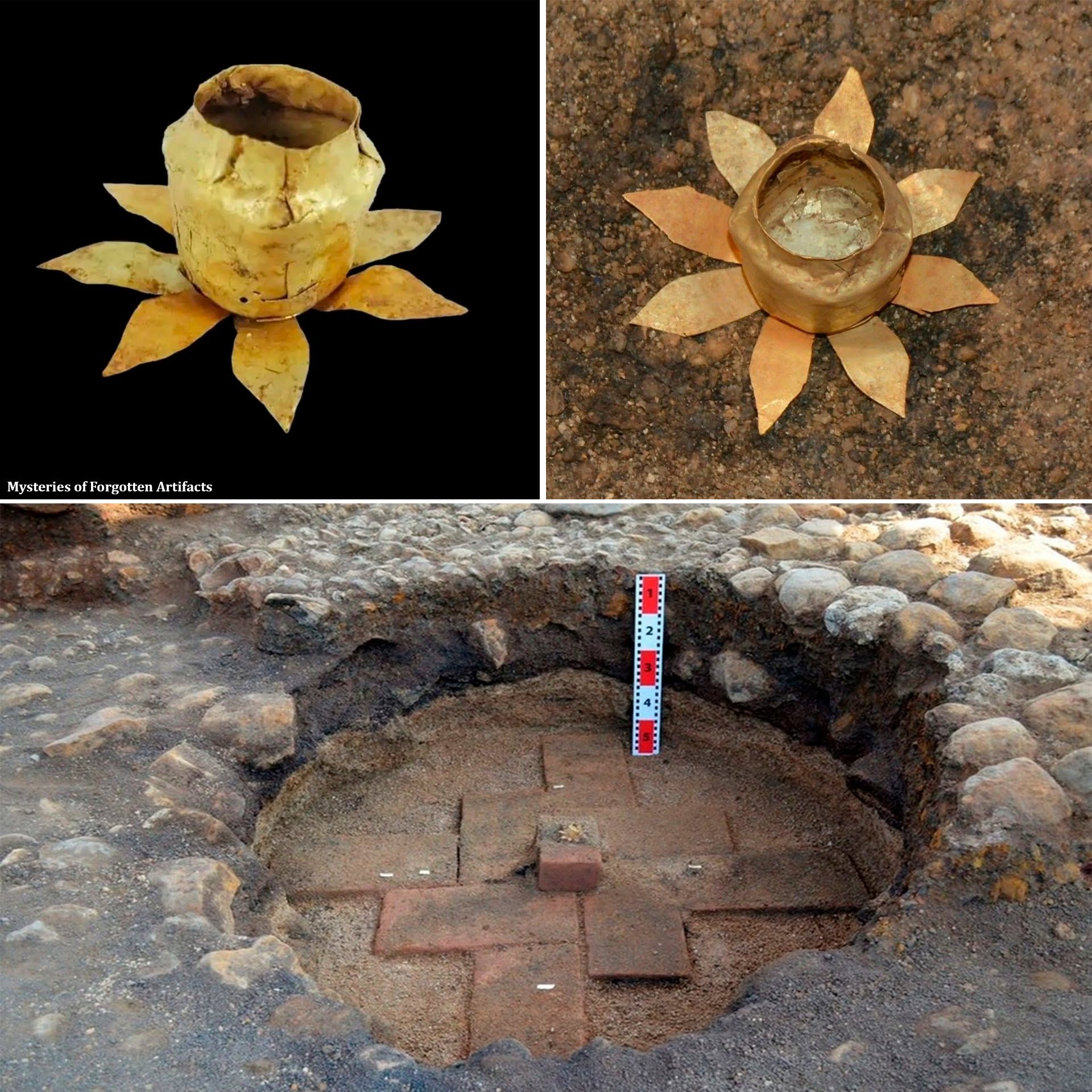
Beneath the remains of an ancient religious complex in Vietnam, archaeologists uncovered a discovery that had remained hidden for approximately 1,000 years. At the An Phu Cham archaeological site, researchers identified a sacred pit associated with a Buddhist temple dating to the 9th or 10th century, when the Champa Kingdom controlled large areas of central and southern Vietnam.

At the center of the pit lay an extraordinary group of ritual objects. Among them was a golden Kamandalu, a sacred water vessel traditionally associated with religious purity and ceremonial practice. The vessel rested upon an eight-petaled lotus made of gold and was accompanied by precious gemstones and delicate gold leaves bearing Buddhist inscriptions.

The objects were not discarded possessions or an ordinary cache of wealth. Their careful placement beneath the temple suggests that they formed part of a highly organized religious ceremony. Archaeologists believe the deposit may have been created during the construction or consecration of the sanctuary, when priests placed sacred materials beneath the building to purify the site and establish its spiritual foundation.

The discovery provides a rare glimpse into the religious world of ancient Champa, a civilization known for its distinctive temple architecture, maritime trade, sculpture, and complex combination of Hindu and Buddhist beliefs.Không có mô tả ảnh.

The Champa Kingdom existed for many centuries along the coast of present-day Vietnam. Its territories changed over time, but Cham communities were strongly connected to trade routes linking Southeast Asia with India, China, and the wider Indian Ocean world. These exchanges brought not only luxury goods but also religious ideas, artistic styles, languages, and ritual traditions.

Hinduism played a major role in Cham royal culture, particularly the worship of Shiva. However, Buddhism also flourished during several periods, especially under rulers and communities influenced by Mahayana traditions. Temples, statues, inscriptions, and ritual objects demonstrate that Buddhist worship formed an important part of Champa’s spiritual life.

The sacred pit at An Phu appears to belong to this Buddhist tradition.

Its most visually striking object is the golden Kamandalu. Similar vessels were used in religious ceremonies across South and Southeast Asia. They could hold purified or sacred water and were associated with monks, deities, and ritual specialists. Water from such a vessel might have been used to bless an altar, image, temple foundation, or participant in a ceremony.

The material of the vessel added another level of meaning. Gold was valued not only because it was rare and beautiful, but also because it resisted corrosion and symbolized purity, divine radiance, and permanence. By placing a golden ritual vessel beneath the temple, the builders may have intended to create an enduring spiritual center that would remain protected even if the visible structure above eventually disappeared.

Beneath the vessel was an eight-petaled golden lotus. The lotus is one of the most important symbols in Buddhism. It grows from muddy water yet opens into a clean and beautiful flower, representing spiritual awakening, purity, and liberation from suffering.

The number of petals may also have carried symbolic significance. The eight-petaled form can be connected with the Noble Eightfold Path, the Buddhist path of ethical conduct, mental discipline, and wisdom. It may also reflect sacred geometric arrangements used in ritual diagrams and temple planning.

The combination of the Kamandalu and lotus therefore appears carefully designed. A vessel associated with purity was placed upon a symbol of enlightenment, creating a powerful ritual image hidden beneath the temple floor.

The accompanying gemstones further strengthened the sacred character of the deposit. Precious stones were widely used in Buddhist and Hindu ritual settings. Their brilliance, rarity, and durability made them suitable offerings to divine beings and symbols of spiritual treasure.

In some traditions, groups of gemstones represented cosmic directions, protective powers, celestial bodies, or qualities of enlightenment. Without complete knowledge of their arrangement, archaeologists cannot determine exactly what each stone represented at An Phu. Nevertheless, their presence confirms that the pit was created with considerable wealth, planning, and religious importance.

Perhaps the most informative objects are the thin gold leaves inscribed with Buddhist scriptures or sacred formulas. Such leaves were often deposited in foundations, reliquaries, statues, or ritual chambers. Because gold survives well underground, it allowed sacred words to endure long after organic manuscripts had vanished.

The inscriptions may have functioned as prayers, protective texts, dedications, or invocations. They could have named Buddhist figures, recorded donations, or requested blessings for the temple and its community. Even when hidden from human sight, the written words were believed to retain spiritual power.

This helps explain why valuable objects were buried rather than displayed. Modern observers may wonder why anyone would conceal gold and gemstones beneath a building. But the deposit was not intended as treasure in the ordinary sense. It was an offering to the sacred realm.

Once sealed, the objects became part of the temple itself. Their purpose was fulfilled through concealment. They did not need to be seen by worshippers because their presence beneath the sanctuary continually supported its religious meaning.

Foundation deposits have been found in many ancient cultures. Temples, palaces, tombs, and city gates were sometimes built above offerings intended to protect the structure or dedicate it to a deity. These deposits could include figurines, food, tools, inscriptions, metals, or precious stones.

The An Phu discovery demonstrates how these wider traditions were adapted within the Champa Kingdom. Its combination of gold, scripture, gemstones, water symbolism, and the lotus reflects a sophisticated ritual system shaped by both local culture and international Buddhist traditions.

The find also reveals the extraordinary artistic skill of Cham craftspeople. Producing a golden vessel and carefully formed lotus required specialized knowledge of metalworking. Artisans had to shape thin sheets or cast pieces, control heat, create balanced forms, and possibly add engraved details.

The gold leaves demanded an equally delicate process. Gold had to be hammered into extremely thin sheets without tearing, then inscribed with small characters using precise tools. Such work indicates the presence of trained specialists serving religious and elite patrons.

Although the temple itself may have suffered from centuries of weathering, conflict, abandonment, and rebuilding, the hidden deposit remained protected. The pit acted like a sealed chamber, preserving evidence that might otherwise have disappeared.

For archaeologists, the original arrangement of the objects is as important as the objects themselves. Their position can reveal the sequence of the ceremony: whether the lotus was placed first, whether gemstones surrounded the vessel in a deliberate pattern, and whether the inscribed leaves were folded, stacked, or oriented toward particular directions.

Careful conservation is essential because ancient gold, though resistant to corrosion, can still be fragile when extremely thin. Gemstones and surrounding soil may also contain traces of organic material, pigments, resins, or textiles used during the ritual.

Scientific analysis could help determine the source of the gold and stones. If the materials came from distant regions, they may provide evidence of Champa’s trade networks. The inscriptions could also reveal which Buddhist school influenced the temple and whether the language used was Sanskrit, an ancient Cham form, or another liturgical tradition.

The sacred pit transforms An Phu from a ruined temple site into a deeply personal record of belief. Around 1,000 years ago, priests, artisans, patrons, and workers gathered there to create a sanctuary. They placed some of their most precious materials beneath it, spoke prayers that have been lost, and sealed the chamber.

They could not know how long the temple would stand. Yet they created something intended to survive beyond their own lives.

Today, the golden Kamandalu, lotus, gemstones, and inscribed leaves speak again. They reveal a Champa society in which religion, art, craftsmanship, and international exchange were closely connected.

The objects had remained invisible for centuries, but their message is clear: the builders of An Phu believed that a sacred place required more than walls and statues. Its true power began beneath the ground, where gold, words, and symbols were entrusted to the earth as an offering for eternity.

14 July 2026

The Mysterious Stone Circles of the Eastern Desert: Tombs Built by Nomads 5,000 Years Ago

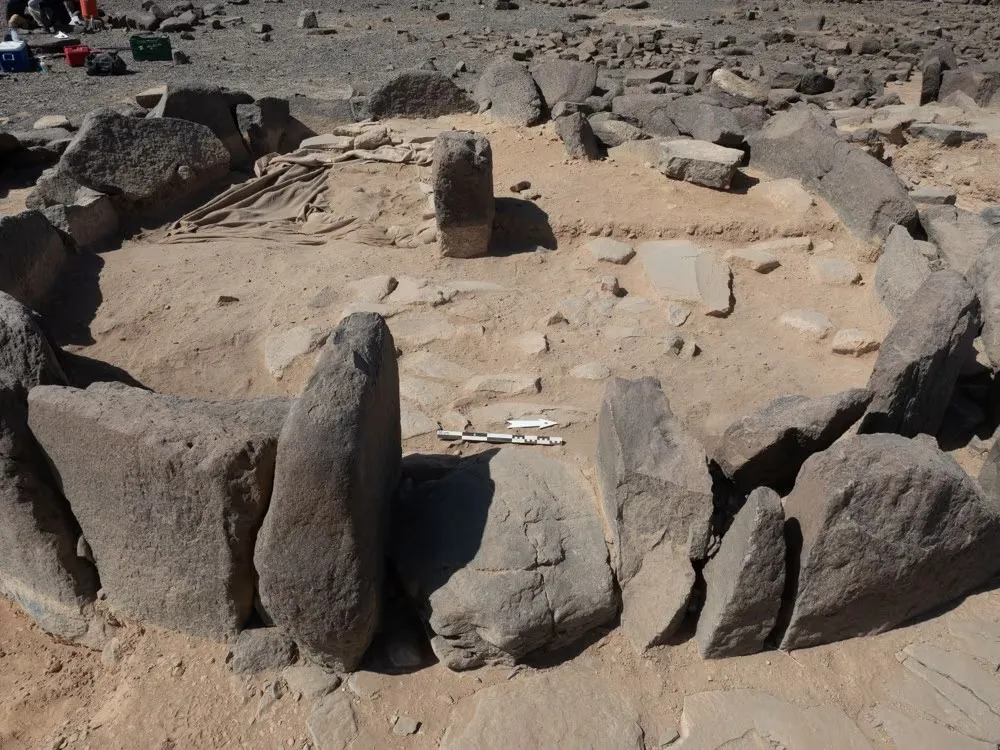
Scattered across the vast and isolated Eastern Desert of Sudan and Egypt are hundreds of circular stone monuments that have survived for more than five millennia. From a distance, many appear to be simple rings of stones arranged on barren ground. Yet archaeological investigation has revealed that these structures were far more important than their modest appearance suggests. Known as enclosure burials, they were communal tombs built by mobile pastoral communities between the 5th and 3rd millennia BC.

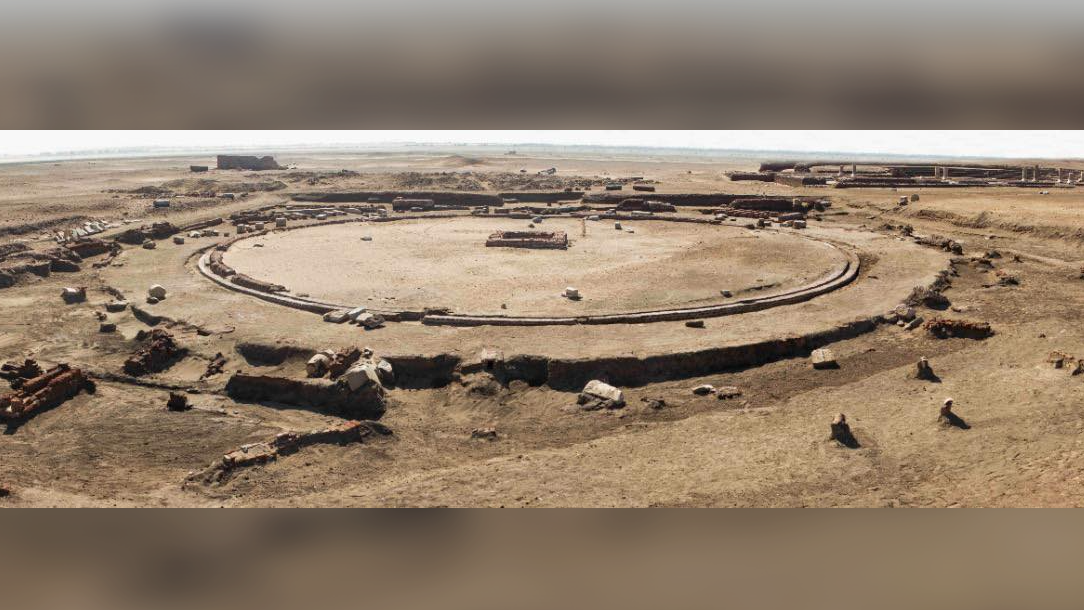
The people who constructed them did not live in permanent cities or farming villages. They moved with their animals through an environment shaped by seasonal rainfall, limited water sources, and changing areas of pasture. Their lives depended on mobility. Cattle, sheep, and goats provided food, materials, wealth, and social identity, while survival required detailed knowledge of desert routes and temporary grazing zones.The Mysterious Stone Circles of Nabta Playa

This makes the stone monuments particularly fascinating. Mobile communities generally carried only what they needed, yet these herders gathered heavy stones, organized labor, selected burial locations, and created structures intended to remain in the landscape long after they had moved on. The monuments suggest that even societies without permanent settlements could possess deep attachments to specific places.

An enclosure burial usually consisted of a circular or oval stone boundary surrounding one or more graves. Some were relatively small, while others formed larger and more complex arrangements. The stone rings marked the burial area clearly, separating the dead from the surrounding desert while also making the location visible to future travelers.

Archaeologists believe many of the monuments served as collective burial places rather than individual tombs. Different members of a community may have been buried there over time, transforming the site into a physical record of ancestry. Each new burial could reinforce the group’s connection to the land and to previous generations.

The Eastern Desert may appear empty today, but during parts of prehistory its climate was different. Rainfall was more frequent, and areas that are now extremely dry could support seasonal vegetation and wildlife. Rivers, springs, and temporary pools allowed pastoral groups to move through the region with their herds.

As conditions gradually became drier, access to water grew more important. The placement of burial monuments may therefore have been connected to important routes, wells, grazing grounds, or meeting places. A stone enclosure could mark not only a cemetery but also a location tied to memory, territory, and survival.

Because these communities moved frequently, they left fewer traces than settled agricultural societies. Houses made from lightweight materials could disappear quickly, and temporary campsites might leave only scattered pottery, tools, hearths, or animal bones. Stone burial monuments, however, endured. They became some of the clearest surviving evidence of the people who crossed these deserts thousands of years ago.Nabta Playa: A mysterious stone circle that may be the world's oldest  astronomical observatory | Live Science

The burials also reveal that mobility did not mean cultural simplicity. Constructing a monument required planning, cooperation, and shared beliefs. Community members had to decide where to place the dead, how the structure should be built, and who would participate in the ceremony. These choices suggest organized social relationships and established traditions.

The circular shape may also have carried symbolic meaning. Circles appear frequently in ancient monuments because they can represent unity, protection, continuity, or the movement of the sun and seasons. However, without written records, archaeologists cannot know exactly what the shape meant to the builders.

The monuments may have helped connect communities that were regularly separated by distance. Families and herding groups could return to the same cemetery during seasonal movements, bringing together people who had traveled across different parts of the desert. Funerals may have served as occasions for exchange, marriage arrangements, negotiation, ritual, and the renewal of social bonds.

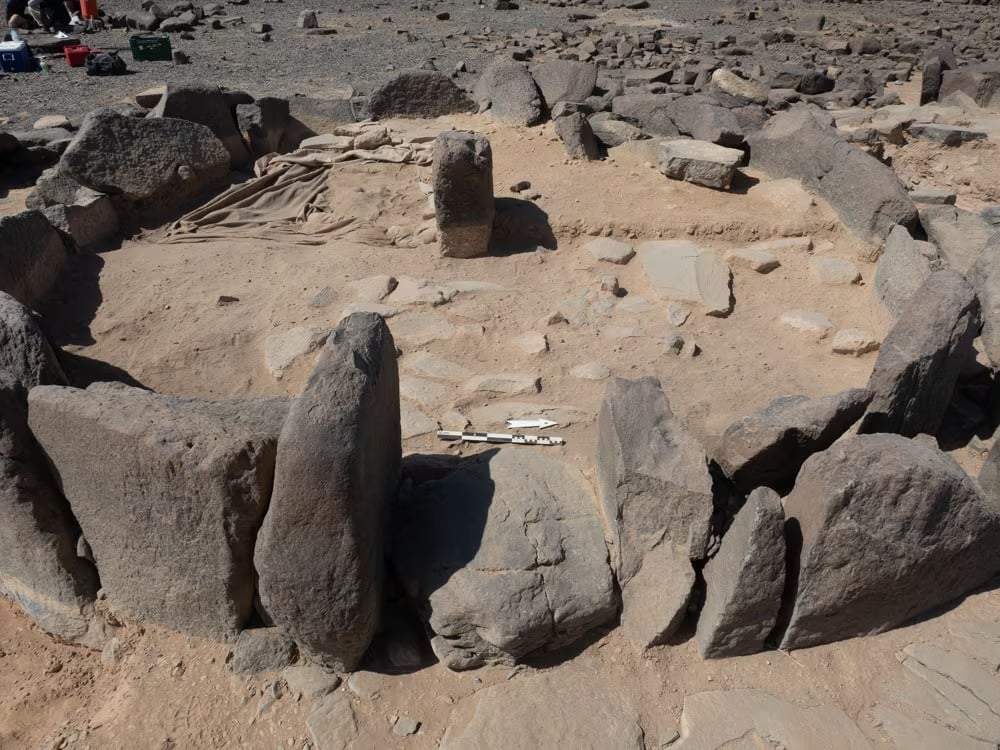
The dead themselves may have played an active role in the identity of the living. Ancestors could symbolize claims to territory, water, and grazing land. By burying generations in a visible monument, a community created evidence that its relationship with the landscape extended into the past.Hundreds of 7,000-Year-Old Standing Stone Circles Discovered in Saudi Arabia

Archaeologists studying enclosure burials examine more than the stone walls. Human remains can provide information about age, health, diet, injury, and biological relationships. Animal bones may reveal the importance of livestock, while beads, pottery, tools, and personal ornaments can offer clues about trade and social status.

These materials also show that desert communities were not completely isolated. The Eastern Desert connected the Nile Valley, the Red Sea region, northeastern Africa, and areas farther south. People, livestock, raw materials, and ideas could move along these routes long before the rise of the famous kingdoms of Egypt and Nubia.

The monuments therefore belong to a wider story of early mobility and cultural exchange. They were built during a period when communities were adapting to environmental change and developing new relationships with domesticated animals. Pastoralism allowed people to live in regions unsuitable for intensive farming, but it also required social cooperation and flexible movement.

Modern technology is helping researchers locate and study more of these sites. Satellite imagery and aerial surveys can reveal circular patterns that are difficult to recognize from ground level. Digital mapping allows archaeologists to compare the placement of monuments with ancient waterways, mountain passes, and possible migration routes.

Yet many questions remain unanswered. Were all members of a community buried inside the enclosures, or only selected individuals? Did larger monuments belong to powerful families? Were the cemeteries used continuously or only during certain seasons? Did each stone circle represent one group, or were they shared by several communities?

There is also the question of ritual. Bodies may have been placed in particular positions, accompanied by objects, or revisited after burial. Some graves may have been reopened to add new individuals. Such practices could indicate beliefs in an afterlife, ancestor protection, or the continued presence of the dead within the community.

What is clear is that these monuments were not random piles of stone. They represented deliberate and meaningful investments in memory. Their builders lived mobile lives, yet they created permanent places for the dead.

More than 5,000 years later, the stone circles remain visible against the desert. The camps, pathways, voices, and herds of their creators have vanished, but the burial enclosures continue to mark the landscape.

They remind us that ancient history was not written only by kings, cities, and monumental temples. It was also shaped by herders who followed the rains, cared for their animals, honored their ancestors, and built stone circles so that certain places—and certain people—would never be entirely forgotten.

14 July 2026

Meine Tochter wollte mein Haus übernehmen – doch sie wusste nicht, welches Geheimnis mein verstorbener Mann vor mir verborgen hatt

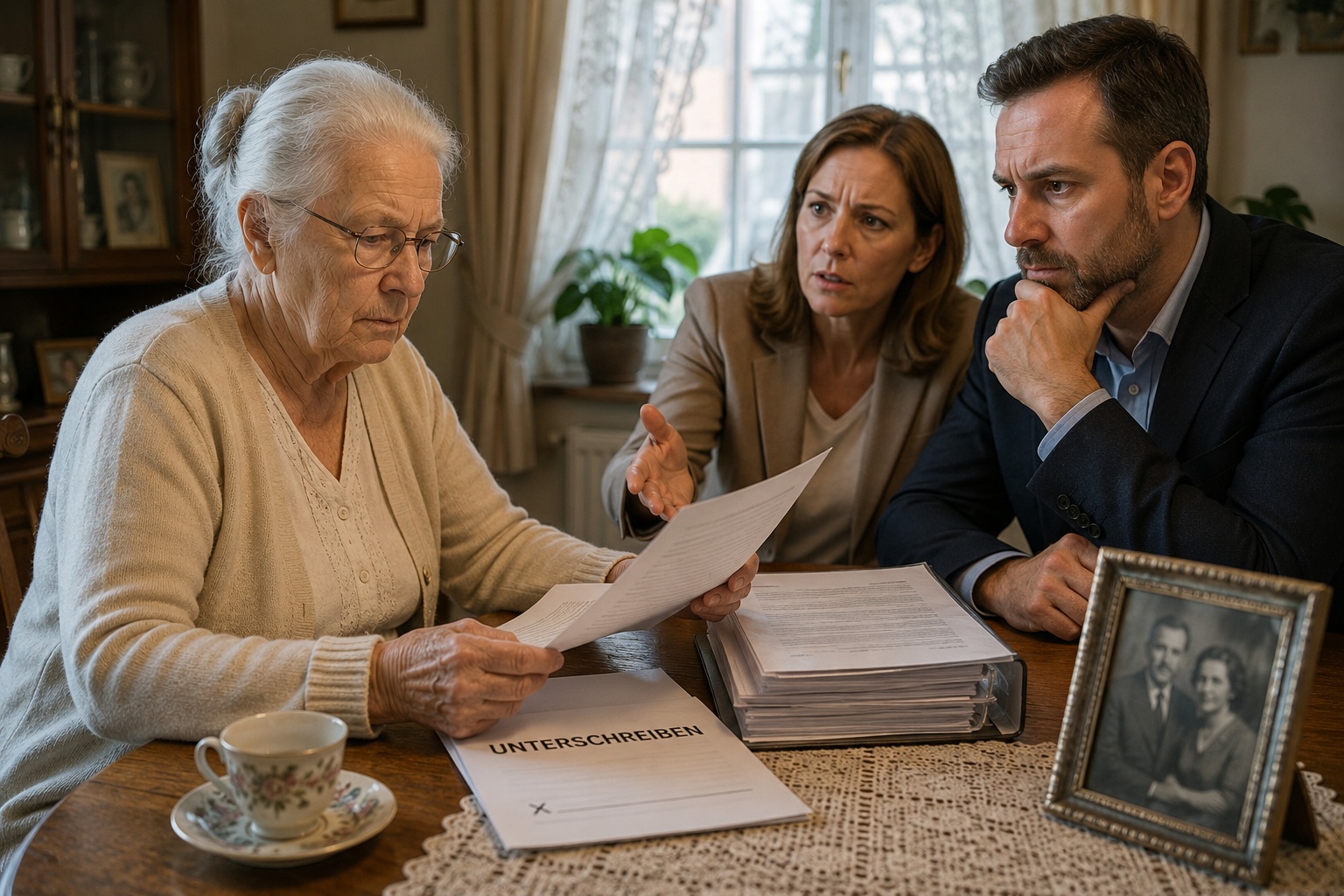
TEIL 1 – Die Unterschrift, die mein Leben verändern sollte „Mama, du musst nur hier unterschreiben. Dann wird alles einfacher.“ Meine Tochter Liselotte schob den Ordner über den Tisch und lächelte dabei so ruhig, dass es mir fast Angst machte. Vor mir lagen mehrere Dokumente, neben mir saß ihr Mann Valentin, der schon seit Minuten … Read more

14 July 2026

The Woman in the Black Screen: The Night a Gamer Saw Someone Behind Him Who Was Never in the Room

Ethan Miller had one rule whenever he played games late at night: never turn the lights off completely. It was not because he believed in ghosts, and it was not because he was afraid of the dark. He simply hated the way his computer screen reflected the room behind him when everything went black. His bedroom was small, with a narrow closet, a single window, a bed pushed against the wall, and a desk facing the corner. At night, when the monitor shut down, the screen became a dark mirror, and Ethan always felt like he might see something standing behind his chair.

For years, it was only a feeling.

Then one night in 2023, the feeling looked back.

It was a Friday, just after midnight. Ethan was sixteen, home with his parents and younger sister, who were all asleep. He had headphones on, a half-empty soda beside his keyboard, and the blue glow of the monitor lighting his face. He was in the middle of an online match when his PC suddenly turned off.

Not restarted.

Not froze.

Turned off.

The screen went black, the fans stopped, and the room fell into a silence so sharp he could hear his own breathing.

“Great,” he muttered, pulling off his headphones.

Then he saw the reflection.

At first, his brain refused to understand it. In the black monitor, behind his chair, there was a woman standing near the foot of his bed. She had long dark hair falling over one side of her face. Her clothes looked old, like a nightdress or hospital gown, hanging loose and pale around her body. In her right hand, pointed downward, was a knife.

Ethan’s body locked.

The woman did not move. She only stared at the back of his head through the reflection.

He spun around so fast his chair slammed into the desk.

Nothing.

The room was empty.

His bed was messy but untouched. The closet door was closed. The window was locked. The bedroom door was still shut. Ethan stood there trembling, trying to convince himself it had been a trick of shadow, a poster, a coat, anything.

But he did not own a poster near the bed.

And there was no coat hanging there.

He turned the ceiling light on, checked every corner, looked under the bed, opened the closet, even pulled the curtains aside. Nothing. His parents’ room was dark. His sister was asleep. The hallway was quiet.

When he returned to the desk, the PC turned back on by itself.

The monitor glowed, showing his login screen.

Ethan stared at it.

He had not pressed the power button.

For several minutes, he stood beside the chair, refusing to sit down. Then embarrassment crept in. He told himself he was tired. He had been gaming for hours. The room had been dark. The screen reflection had distorted something.

He sat again.

The moment he touched the mouse, a folder appeared on the desktop.

It had not been there before.

The folder was titled:

DON’T LOOK BACK

Ethan’s mouth went dry.

He clicked away from it, but the folder opened by itself.

Inside was one video file.

behind_you.mp4

His hands were shaking now. Every logical thought in his head told him to shut the computer down, wake his parents, leave the room. But fear and curiosity held him in place.

He opened the file.

The video began with a view of Ethan sitting at his desk. It was filmed from behind him, from somewhere near the closet. He was wearing the same hoodie, sitting in the same chair, playing the same game.

The timestamp showed 12:07 AM.

Two minutes earlier.

Ethan slowly turned his head toward the closet behind him.

The door was closed.

On the video, however, it was open.

A pale hand reached out from the darkness.

Ethan slammed the laptop shut—except it was not a laptop. It was his monitor. He hit the power button, but the PC did not turn off. The video kept playing. The audio crackled through his headphones, even though they were lying on the desk.

In the recording, the closet door opened wider.

The woman stepped out.

She did not walk like a normal person. Her feet dragged, and her head tilted slightly to one side, as if listening to something inside the walls. She stood behind Ethan’s chair in the video, raised the knife, and leaned close to his ear.

Then she whispered:

“He sees us in the dark.”

The video ended.

Ethan ran to his parents’ room.

His father woke up angry at first, then alarmed when he saw Ethan’s face. They searched the bedroom together. His father checked the closet, the window lock, the hallway, even the outside of the house. Nothing. He looked at the computer. The folder was gone. The video was gone. No file history. No download. No recording software.

“You probably clicked something,” his father said, though he did not sound convinced.

Ethan refused to sleep in the room that night.

The next morning, his mother noticed something strange. The carpet near Ethan’s closet was damp. Not soaked, just wet enough to leave a dark patch. It smelled faintly metallic, like old water and rust. His father pulled everything out of the closet and found scratches on the inside wall behind a storage box.

At first, the scratches looked random.

Then Ethan realized they formed words.

DON’T LET HER SEE HERSELF

His parents went quiet.

The house had belonged to only one family before them. An elderly woman named Mrs. Lang had lived there for nearly forty years before dying in a nursing home. Ethan’s mother called the realtor, then later searched old records online. What she found made her refuse to let Ethan go back into the room.

Mrs. Lang had a daughter named Alice.

Alice disappeared in 1986 at the age of nineteen. The official report said she ran away after an argument with her mother. But neighbors at the time claimed they heard screaming from the house one night. Mrs. Lang insisted her daughter had left, but after that, she covered every mirror in the house with cloth. For the rest of her life, she never allowed reflective surfaces in the bedroom that later became Ethan’s room.

That evening, Ethan’s father removed the computer from the bedroom. The monitor was placed in the garage, face down, unplugged. Ethan slept in the living room for a week.

Nothing happened.

Then, on the eighth night, at exactly 12:07 AM, the television in the living room turned off by itself.

The screen went black.

Ethan opened his eyes.

In the reflection, behind the couch, the woman stood again.

But this time, she was not holding the knife at her side.

She was holding it out toward him, handle first, as if offering it.

Her lips moved in the black glass.

Ethan heard her voice, not from the TV, not from the room, but from inside his own head.

“Now you help me get out.”

The lights flickered. From upstairs, his old bedroom door slowly creaked open.

His father rushed into the room seconds later, but Ethan was already standing, staring at the dark television. His mother screamed when she saw the screen.

Because in the reflection, Ethan was no longer alone.

Behind him stood the woman.

And behind her, deep in the darkness of the screen, were dozens of pale faces pressed against the glass, waiting for someone to turn around.

14 July 2026

Mein Vater stieß mich auf der Hochzeit meiner Schwester in den Brunnen – doch niemand wusste, dass die Tochter, die sie immer unterschätzt hatten, längst ein Leben führte, das sie niemals verstehen würden

TEIL 1 – Die Tochter, die immer im Schatten stand Ich heiße Amalia Vogt und in meiner Familie war ich schon als Kind die Tochter, die sich beweisen musste. Meine jüngere Schwester Liora war für meine Eltern immer das perfekte Beispiel dafür, wie eine Tochter sein sollte. Sie war elegant, beliebt und wusste genau, wie … Read more

14 July 2026

Meine Tochter warf mich aus ihrer Familie – doch sie ahnte nicht, dass sie damit ihr eigenes Erbe verlor

Teil 1 – Der Beginn des Familienkonflikts und das erste Erwachen „Du gehörst nicht mehr zu dieser Familie. Verschwinde aus meinem Haus!“ Marcella schrie diese Worte so laut, dass selbst die Gläser auf dem Esstisch zu zittern schienen. Meine Enkelin Lena saß neben mir und weinte leise, während mein Schwiegersohn Christian seelenruhig weiterkaute, als hätte … Read more

14 July 2026

The Whisper Beneath the Bed: The Night a Woman Answered a Voice That Was Never Alone

For almost three months, Sarah believed the sound was harmless.

She lived alone in a small house outside a quiet town in the United States. The house was old, but not frightening. It had wooden floors that creaked during cold nights, aging pipes that made strange noises, and windows that sometimes rattled when the wind became strong. Sarah always told herself that old houses had personalities. They made sounds. They settled. They remembered the people who lived inside them.

So when she first heard the whisper, she ignored it.

It happened at exactly the same moment every night.

After turning off the bedroom light.

“Goodnight.”

The voice was soft. Almost gentle.

At first, Sarah thought it was coming from outside. Maybe a neighbor. Maybe someone walking past her window. She checked the curtains, looked through the glass, and searched the hallway.

Nothing.

The first few nights, she laughed at herself. She blamed exhaustion. She blamed stress from work. She blamed the fact that she had recently started living alone after years of sharing a home with someone else.

But the whisper continued.

Every night.

Same voice.

Same word.

“Goodnight.”

After two weeks, Sarah started leaving a small lamp on while sleeping. The whisper stopped.

The moment the bedroom became completely dark, it returned.

She began to notice something else.

The voice never sounded like it came from one specific place.

Sometimes it sounded near the window.

Sometimes near the closet.

Sometimes right beside her bed.

But whenever she searched, there was nothing.

Sarah installed a small security camera facing her bedroom door. She told herself she only wanted proof that someone was entering the house. She expected to see a person walking through the hallway.

Instead, the footage showed something much stranger.

Every night at the same time, the bedroom door remained closed.

Nobody entered.

Nobody left.

But at 11:43 PM, the audio recorded the whisper.

“Goodnight.”

Sarah listened to the recording dozens of times. The voice was clear. Human. Close.

She brought the recording to a friend who worked with audio equipment. After cleaning the background noise, he discovered something Sarah had never noticed.

There was another sound underneath the whisper.

A second voice.

Very faint.

Almost impossible to hear.

Her friend slowed the recording down and played it again.

The hidden voice said:

“Don’t answer.”

Sarah stopped sleeping in her bedroom.

She moved to the couch downstairs and kept every light on. She told herself she would call someone in the morning. She told herself she would move out.

But curiosity is sometimes stronger than fear.

Three nights later, at exactly 11:43 PM, the whisper came again.

“Goodnight.”

Sarah sat frozen on the couch.

She knew she should stay silent.

She knew the recording had warned her.

But after weeks of fear, frustration replaced caution.

She looked toward the dark hallway and whispered:

“Goodnight.”

The house became completely silent.

No wind.

No pipes.

No creaking wood.

Nothing.

Then another voice answered.

Immediately.

Not from the hallway.

Not from outside.

From underneath the couch.

“She heard us.”

Sarah screamed and ran outside barefoot into the cold night air.

Her neighbors found her standing in the street, shaking and unable to explain what happened. When police searched the house, they found no one.

No hidden person.

No signs of entry.

No damage.

But one officer noticed something strange in Sarah’s bedroom.

The floor beneath the bed was scratched.

The marks were old, covered by years of dust.

When they removed the wooden boards, they discovered a small empty space beneath the floor.

Inside was a collection of objects.

A child’s toy.

An old photograph.

And dozens of handwritten notes.

Every note contained the same sentence.

“Someone always answers.”

The photograph showed Sarah’s bedroom.

But it was taken decades earlier.

Standing beside the bed was a young woman nobody recognized.

Behind her, barely visible in the darkness beneath the bed, were two small eyes looking toward the camera.

The house had been owned by several families before Sarah. Investigators contacted previous owners, hoping someone could explain the hidden space.

One former resident, an elderly woman named Margaret, became silent when she heard about the notes.

Finally, she admitted something she had never told anyone.

When she was a child, she also heard the whisper.

“Goodnight.”

She said her parents never believed her. They told her she was imagining things. But one night, she answered.

And something answered back.

Margaret moved away the following morning.

She never returned.

Sarah sold the house months later. The new owner renovated the bedroom, removed the old floorboards, and replaced everything.

For a while, nothing happened.

Then, six months later, the new owner called the contractor with a strange complaint.

Every night after turning off the bedroom light, she heard someone whisper:

“Goodnight.”

The contractor asked what she planned to do.

The woman replied:

“I already answered.”

There was a long silence.

Then she added:

“But now there are two voices under my bed.”

14 July 2026

They Thought My Silence Meant Weakness, Until The Police Arrived

My name is Delilah Monroe, and for most of my life, people misunderstood my silence. They thought because I didn’t argue loudly, because I didn’t fight for attention, and because I often chose peace over conflict, I was weak. But silence was never weakness. It was patience, observation, and the ability to see everything before … Read more

14 July 2026